Orthopedic Doctor: What They Do, When You Need One, and How Indian and European Care Mix
When your knee gives out after years of running, or your back locks up from lifting groceries, you don’t need a miracle—you need an orthopedic doctor, a medical specialist who treats injuries and diseases of the musculoskeletal system, including bones, joints, ligaments, tendons, and muscles. Also known as a bone and joint specialist, this is the person who steps in when pain stops you from living normally. It’s not just about surgery. Most orthopedic doctors start with physical exams, imaging, and conservative care like braces, injections, or rehab. Surgery comes only when it’s the best option—not the first one.
You’ll find knee replacement, a common surgical procedure to replace a damaged knee joint with artificial components, often recommended for severe osteoarthritis in both European hospitals and Indian clinics. But here’s the twist: while Europe leans on advanced implants and fast-track rehab, India’s traditional systems like Ayurveda, a 5,000-year-old Indian system of medicine that uses herbs, diet, yoga, and detox practices to restore balance in the body offer support before and after surgery. Think of it like this: an orthopedic doctor fixes the structure, but Ayurveda helps your body heal from the inside out—reducing inflammation, improving circulation, and easing stiffness without drugs.
People often assume orthopedic care means big surgery. But look at the posts here—you’ll see real stories about bone surgery pain, toilet sitting tips after knee replacement, and how recovery isn’t just about the operation. It’s about sleep, movement, diet, and even how you use the bathroom. Some patients in Australia and the U.S. are turning to generic semaglutide for weight loss to take pressure off their joints. Others are using herbal remedies to manage arthritis pain before they even consider a scalpel. And yes, some are combining both—getting a joint replaced in Europe, then using Ayurvedic oils and yoga to speed up recovery back home.
There’s no one-size-fits-all path. An orthopedic doctor in Germany might recommend a robotic-assisted hip replacement. One in Kerala might suggest Panchakarma detox and herbal poultices first. Both are valid. The real question isn’t which system is better—it’s which one fits your body, your lifestyle, and your goals. Whether you’re 45 and dealing with early arthritis or 75 and recovering from a fracture, the goal is the same: move without pain, live without limits.
Below, you’ll find practical guides from people who’ve been there—how to manage pain after bone surgery, what to expect after knee replacement, and how to use natural methods alongside modern medicine. No fluff. No hype. Just what works, when, and why.
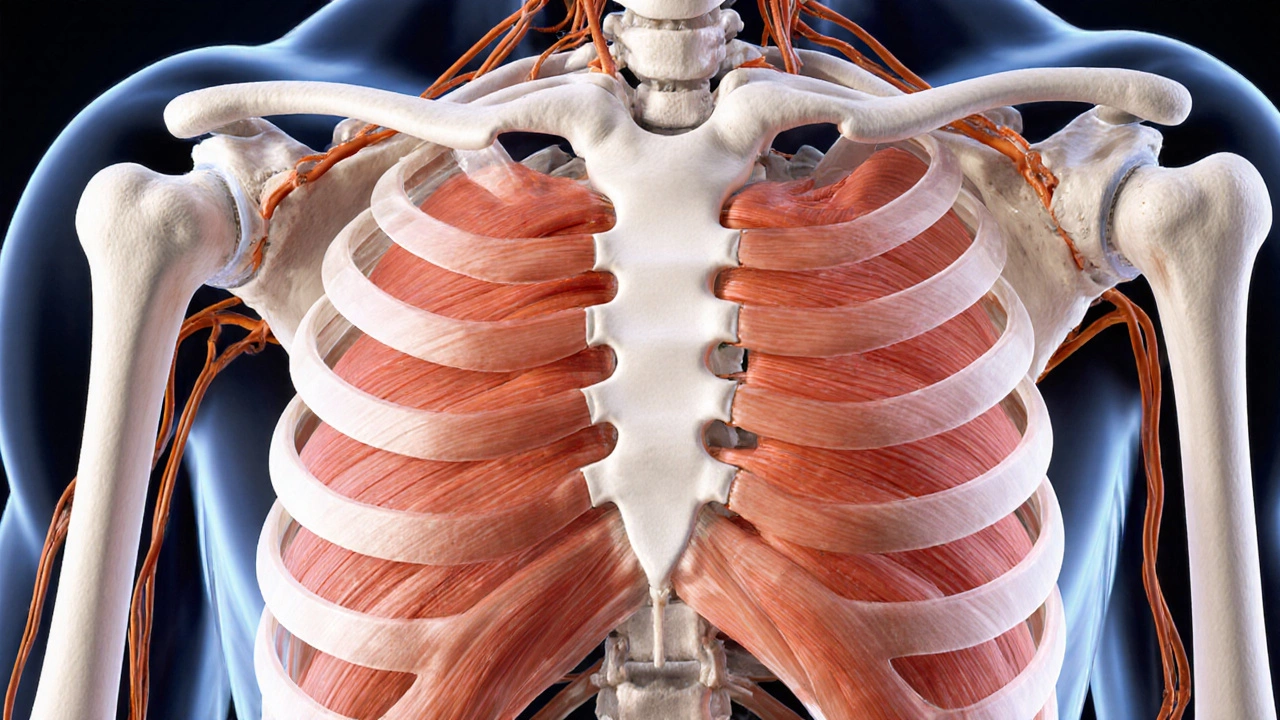
What Body Parts Does an Orthopedic Doctor Treat?
Learn exactly which body parts an orthopedic doctor treats, from bones and joints to muscles, ligaments, and the spine, plus diagnostics, common conditions, and treatment options.

Best Doctor for Bones: How Orthopedic Specialists Can Help You Heal
Confused about which doctor to see for bone issues? This article explains exactly what an orthopedic doctor does, how they differ from other specialists, and when you need to see one. Get practical tips for picking the right orthopedic specialist, interesting facts about bone care, and learn what to expect during your hospital visit. Find out how to spot the real experts so you can get back on your feet fast.

What to Tell Your Orthopedic Doctor: Essential Details for Your Visit
Knowing what to tell your orthopedic doctor can make your visit smoother and more helpful. This article breaks down exactly what information you should share, from describing your pain in everyday terms to mentioning any old injuries or lifestyle habits. With relatable advice, including practical checklists and simple tips, you'll walk into your appointment ready to get the best care. You'll also find out why little details—like how you sleep or what sports you play—matter more than you think. Don't risk a half-baked diagnosis because you skipped the small stuff.
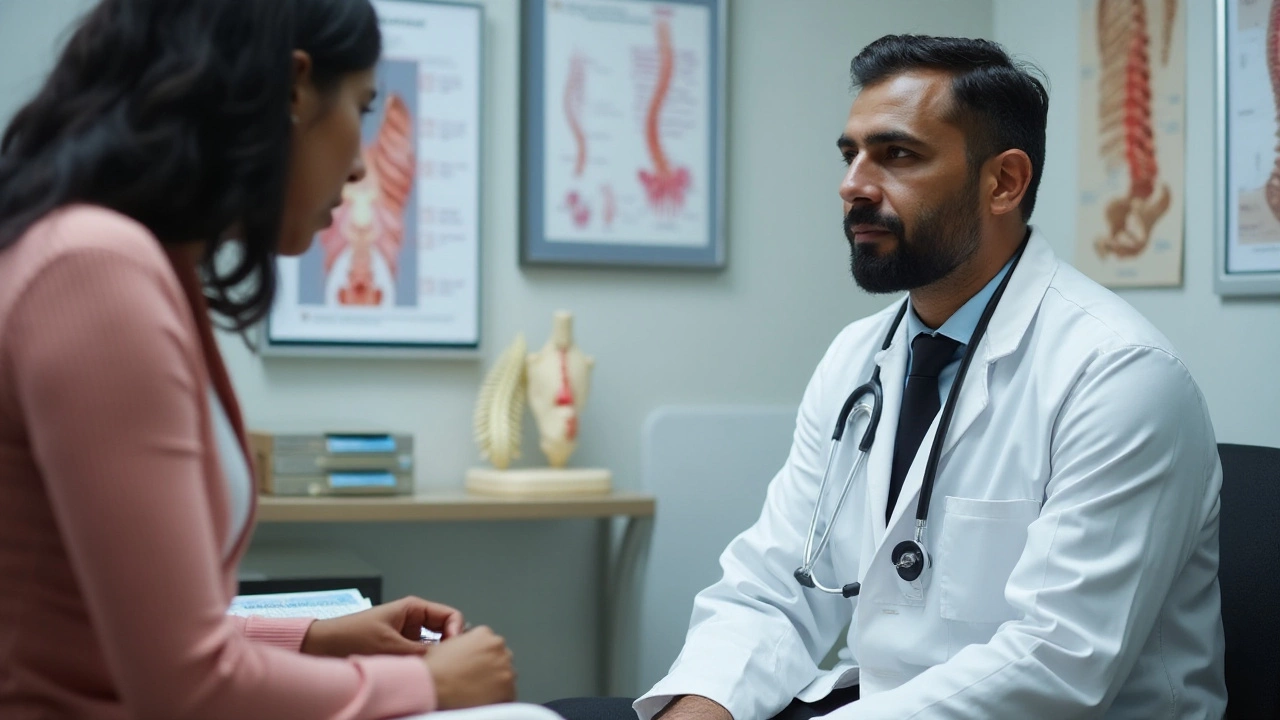
Can Orthopedic Doctors Treat Pinched Nerves Effectively?
This article delves into the role of orthopedic doctors in diagnosing and treating pinched nerves. It explains what a pinched nerve is, how orthopedists approach treatment, and when you should seek specialist care. With insights into possible therapies and real-world tips, it addresses concerns patients might have about recovery and effective management of this common ailment.