Pancreatic Cancer: Symptoms, Treatments, and Integrative Support
When we talk about pancreatic cancer, a deadly form of cancer that starts in the tissues of the pancreas, often without early symptoms. Also known as pancreas cancer, it’s one of the hardest cancers to catch early—and one of the most challenging to treat. Unlike breast or skin cancer, there’s no simple screening test. By the time symptoms show up, the disease has often spread. That’s why knowing the warning signs matters—because catching it sooner can change everything.
Pancreatic cancer symptoms, often mistaken for digestive issues, include unexplained weight loss, jaundice, new-onset diabetes, and persistent upper belly pain that radiates to the back. Also known as pancreas tumor signs, these aren’t always dramatic, which is why many people delay seeing a doctor. When pain doesn’t go away with antacids, or you lose weight without trying, it’s not just bad luck—it’s a signal. And when it comes to treatment, pancreatic cancer treatment, typically involves surgery, chemotherapy, and radiation—but outcomes depend heavily on stage, location, and overall health. Also known as pancreatic tumor therapy, modern protocols are improving survival, especially when combined with lifestyle support. Many patients now explore integrative approaches, not as replacements, but as partners to conventional care.
That’s where Ayurveda for cancer, an ancient Indian system focused on balancing the body’s energy systems through diet, herbs, and detox practices. Also known as Ayurvedic oncology support, it’s not about curing cancer alone. Instead, it helps manage side effects—like nausea from chemo, fatigue after surgery, or loss of appetite. Studies show certain Ayurvedic herbs, like turmeric and ashwagandha, may reduce inflammation and support immune function, though they’re never used alone. What’s powerful is how these practices pair with Western medicine: better sleep, less stress, improved digestion. These aren’t small wins. For someone fighting pancreatic cancer, feeling a little stronger each day can mean the difference between giving up and pushing forward.
And it’s not just about the body. integrative cancer care, the blend of evidence-based medicine with complementary therapies like nutrition, mindfulness, and traditional healing systems. Also known as holistic cancer support, this approach recognizes that healing isn’t just medical—it’s emotional, financial, and social. You’ll find posts here that cover everything from managing pain after surgery to navigating insurance for expensive drugs. You’ll see what real people are doing to stay alive, not just survive. Some are using Ayurvedic diets to rebuild strength after chemo. Others are finding relief from nausea with ginger and acupressure. A few are even asking if their treatment plan is too aggressive—and whether there’s a better way to live while they fight.
What you’ll find below isn’t a list of miracle cures. It’s a collection of real stories, practical advice, and science-backed options. From how to recognize early signs to what actually works when conventional treatment hits a wall—this is the kind of information most hospitals don’t have time to give you. But you deserve to know it. Because when you’re facing pancreatic cancer, knowledge isn’t just power—it’s your next step forward.
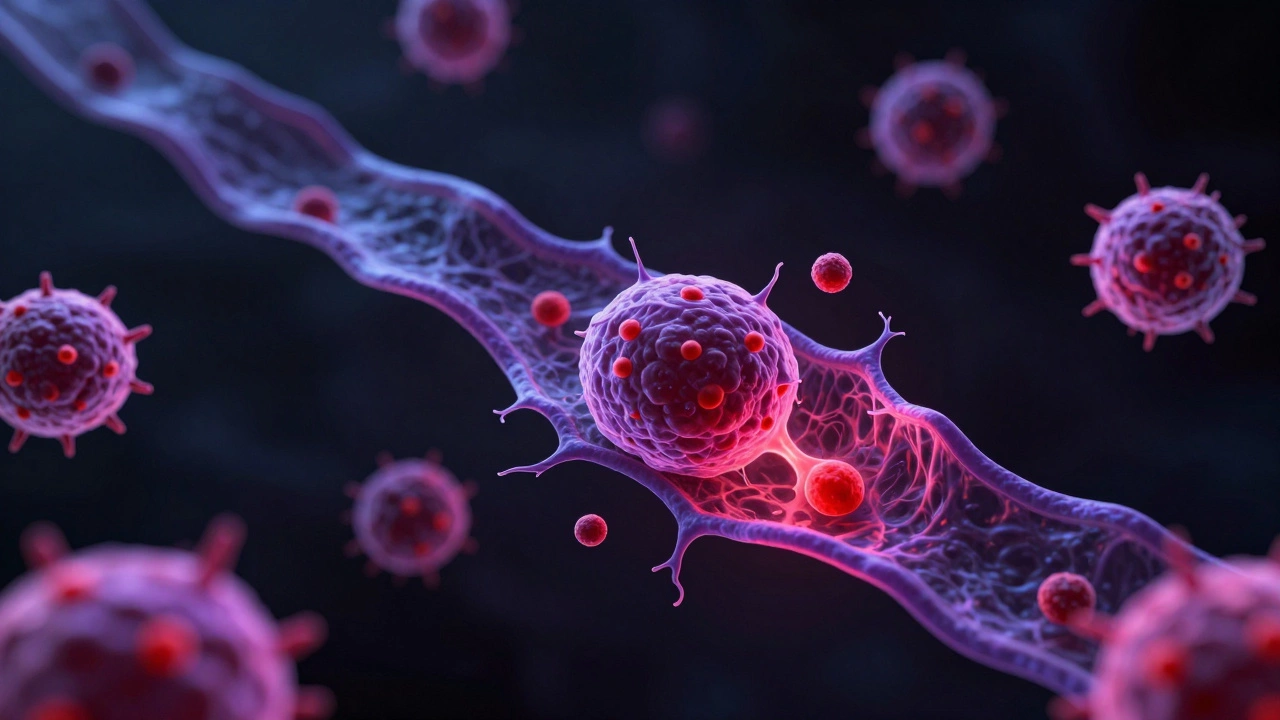
Understanding the Most Aggressive Cancers and Survival Rates
Explore which cancers are most aggressive, their survival rates, and why some are harder to treat than others. Learn about detection and modern therapies.

Fastest Killing Cancer: Signs, Survival Rates, and Urgent Facts to Know
Which cancer kills fastest? Learn which types move quickest, their symptoms, why they’re so deadly and how to spot red flags. Fast, hard truths on urgent cancers.
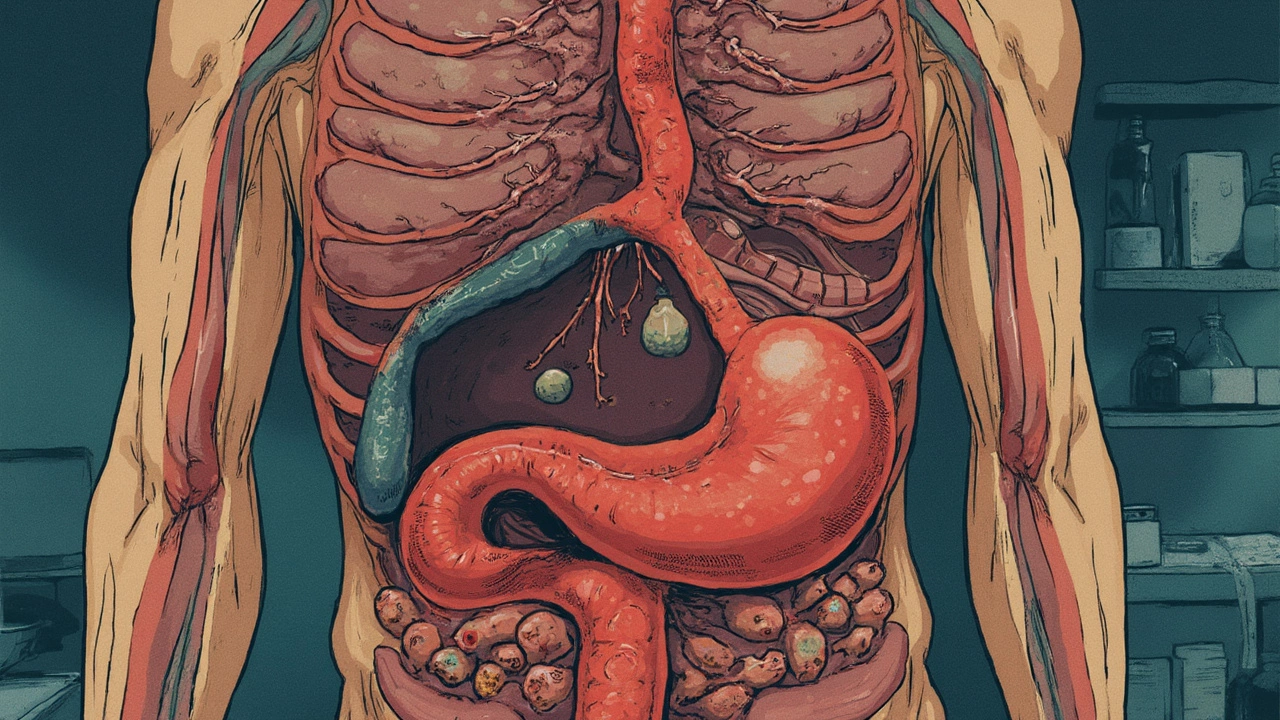
The Toughest Cancer to Tackle: An Insight into Challenging Treatments
Pancreatic cancer is notoriously difficult to treat because of its late detection and aggressive nature. This article explores why it's often deemed the hardest cancer to cure, shedding light on the challenges of treatment and the latest advances in medical science. Learn about the symptoms to watch for, treatment options available, and the importance of early detection. Discover real-life stories and tips from survivors that could offer a ray of hope. Stay informed about ongoing research and trials that aim to tackle this formidable disease.
The Challenge of Treating Pancreatic Cancer: Insights and Strategies
Pancreatic cancer is widely recognized as one of the most challenging types of cancer to treat. It is characterized by its late detection and aggressive nature, often leading to a difficult prognosis. This article delves into why pancreatic cancer is so hard to treat, highlighting factors such as its unique biology and common misconceptions. It also provides an overview of current and emerging treatment strategies aimed at improving outcomes. Useful tips for patients and their families on managing the journey are included.