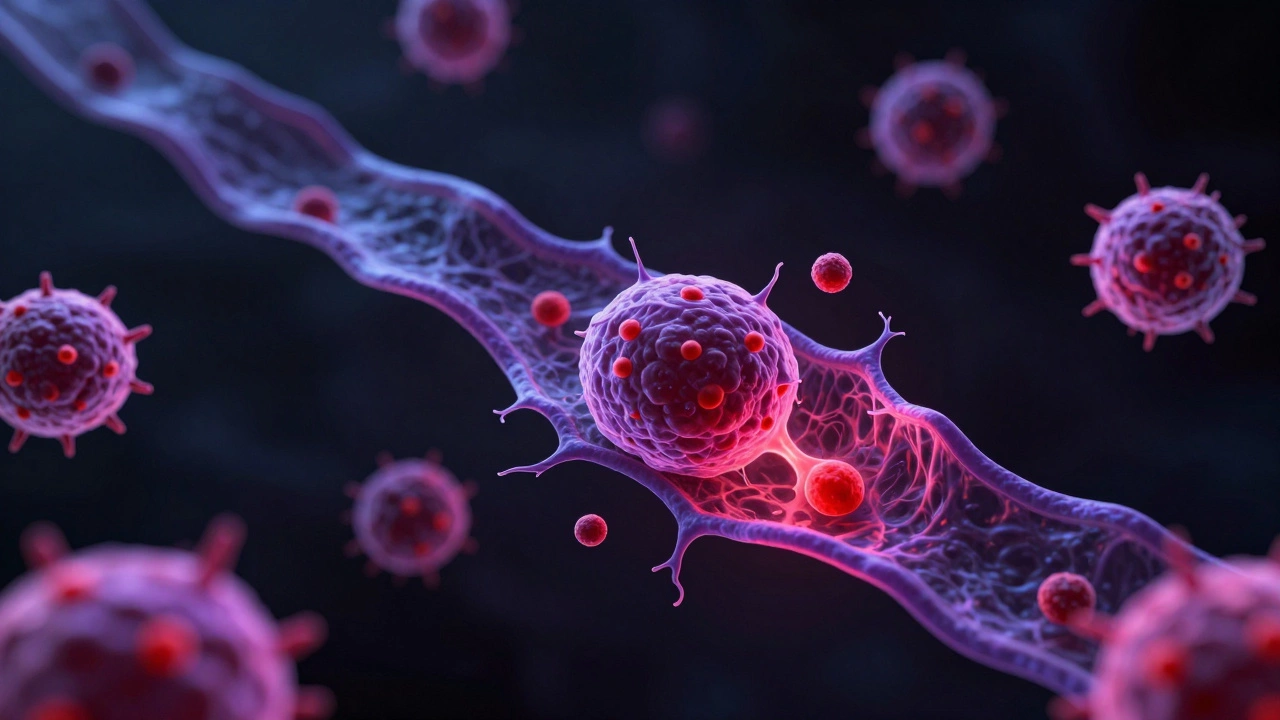
Aggressive Cancer Analysis Tool
Select a cancer type from the list below to explore why it is considered aggressive and what the key detection signals are.
Pancreatic
Silent KillerGlioblastoma
InfiltrativeMesothelioma
Long LatencyS.C. Lung
Fast GrowthClick a cancer type above to see detailed analysis
Pancreatic Cancer
Located deep in the abdomen, this cancer is often undetectable until it reaches advanced stages.
Red Flags:
- ⚠️ Jaundice (Yellowing skin)
- ⚠️ Unexplained weight loss
- ⚠️ Abdominal pain
Glioblastoma
A fast-growing brain tumor that infiltrates healthy brain tissue, making complete surgical removal nearly impossible.
Red Flags:
- ⚠️ Severe headaches
- ⚠️ Sudden seizures
- ⚠️ Neurological changes
Mesothelioma
Linked strongly to asbestos exposure, attacking the lining of the lungs (pleura) or abdomen.
Red Flags:
- ⚠️ Shortness of breath
- ⚠️ Chest pain
- ⚠️ Abdominal swelling
Small Cell Lung Cancer
Known for rapid cell division and an aggressive tendency to spread to other organs early in the disease process.
Red Flags:
- ⚠️ Persistent cough
- ⚠️ Coughing up blood
- ⚠️ Hoarseness of voice
The Deadliest Cancers by Survival Rates
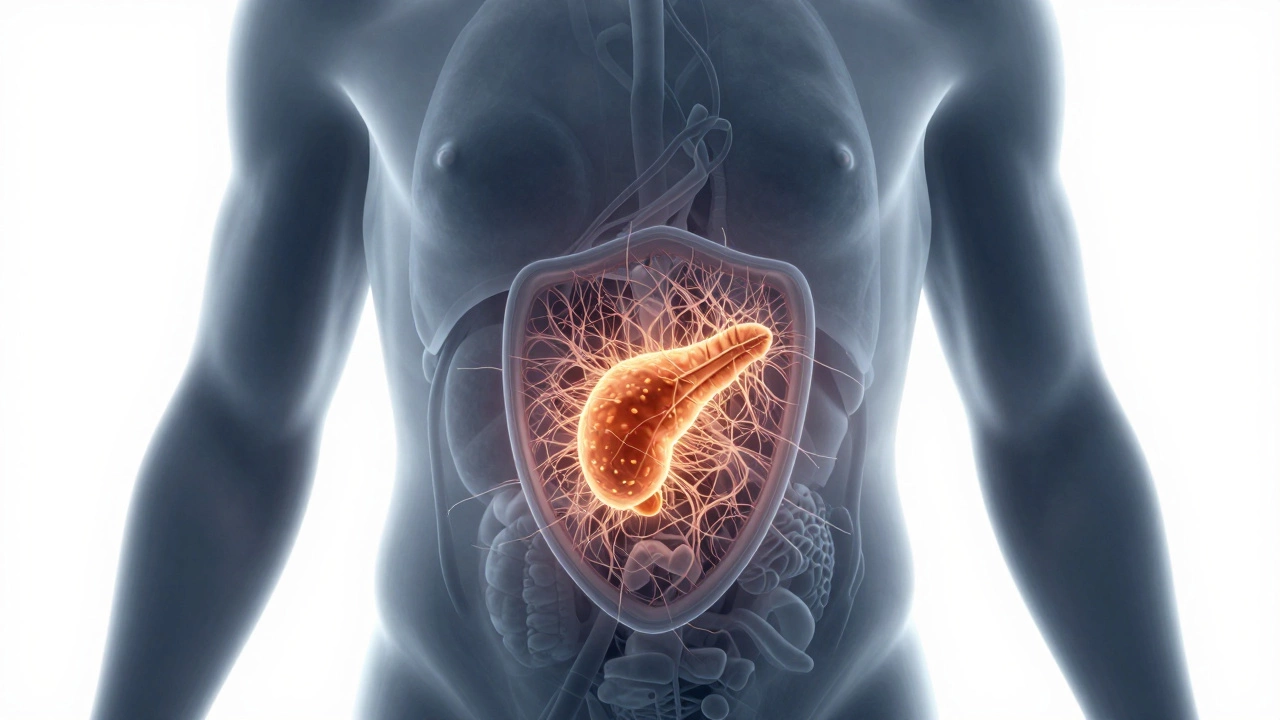
When we look at the data, some cancers consistently show lower survival rates because they are incredibly hard to detect early.One of the most challenging is Pancreatic Cancer. It is often described as a "silent killer" because the pancreas is tucked deep in the abdomen. By the time a patient notices jaundice or abdominal pain, the tumor has often already reached the surrounding lymph nodes. Because it creates a dense layer of tissue around the tumor, it acts like a shield, preventing chemotherapy drugs from reaching the cancer cells effectively.
Then there is Glioblastoma, a fast-growing brain tumor. This is a type of Glioblastoma Multiforme that infiltrates healthy brain tissue, making it almost impossible for surgeons to remove every single cell without causing severe neurological damage. Even with aggressive radiation and chemotherapy, the recurrence rate is nearly 100%.
Mesothelioma is another aggressive form, usually linked to Asbestos exposure. It attacks the lining of the lungs (the pleura) or the abdomen. The lag time is the real problem here; it can take 20 to 50 years after exposure for the cancer to appear, meaning patients are often elderly and have other health issues when they are finally diagnosed.
| Cancer Type | Primary Characteristic | Main Challenge | Common Detection Symptom |
|---|---|---|---|
| Pancreatic | Rapid Metastasis | Late Detection | Jaundice / Weight Loss |
| Glioblastoma | Infiltrative Growth | Blood-Brain Barrier | Severe Headaches / Seizures |
| Mesothelioma | Environmental Link | Long Latency Period | Shortness of Breath |
| Small Cell Lung Cancer | Fast Growth | Early Spreading | Persistent Cough |
Why Some Cancers Are More Dangerous Than Others
It isn't just about the organ involved; it's about how the cancer behaves. The aggressive cancers we worry about usually share a few traits. First is the speed of the cell cycle. Some cancers divide and multiply every few hours, while others take weeks. The faster they grow, the quicker they overwhelm the body's immune system.
Then there is the concept of Metastasis. This is when cancer cells break away from the primary tumor, travel through the bloodstream or lymphatic system, and start new tumors in distant organs. A cancer that metastasizes early-like Small Cell Lung Cancer-is far more dangerous than one that stays localized for years.
Another factor is drug resistance. Some tumors have mutations that make them "invisible" to the immune system or completely resistant to Chemotherapy. This is why doctors are shifting toward Targeted Therapy and Immunotherapy, which train the body's own T-cells to recognize and kill the cancer cells.
The Impact of Staging on Prognosis
You might hear that a certain cancer is "the worst," but the stage is actually the most important piece of the puzzle. A Stage IV cancer in a "treatable" organ is often more dangerous than a Stage I cancer in a "deadly" organ. Staging tells us if the cancer is localized (Stage I), has spread to nearby tissues (Stage II), reached lymph nodes (Stage III), or moved to distant organs (Stage IV).
For example, breast cancer is generally seen as highly treatable. However, if it is Triple-Negative Breast Cancer and discovered at Stage IV, the prognosis drops significantly. This specific subtype doesn't have the three most common receptors that targeted drugs hit, meaning doctors have fewer tools in their arsenal to fight it.
Modern Treatment Shifts and Hope
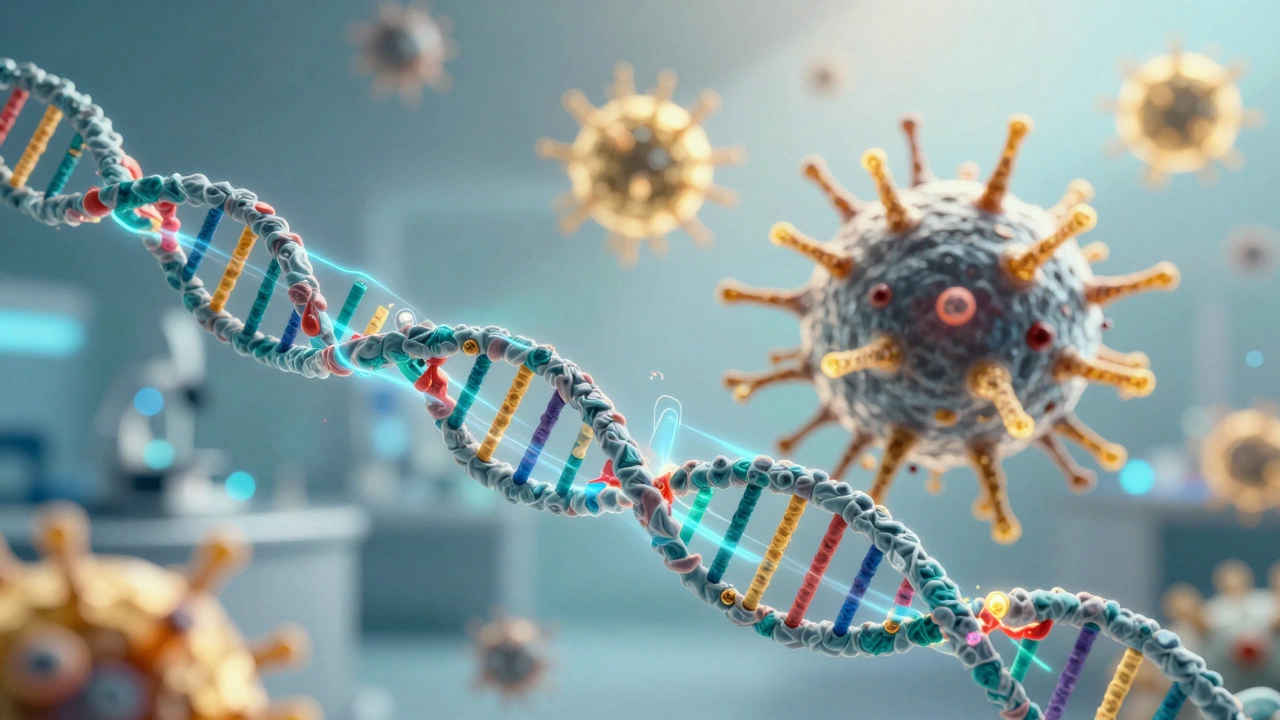
We are moving away from the "one size fits all" approach of poison-based chemotherapy. The rise of Precision Medicine means that doctors now sequence the DNA of a tumor to find the exact mutation driving the growth. If a patient with a "worst-case" lung cancer has an EGFR mutation, they can take a specific pill that blocks that mutation, potentially extending their life by years compared to traditional chemo.
Furthermore, CAR-T cell therapy is changing the game for blood cancers like leukemia. By extracting a patient's own white blood cells and genetically modifying them to attack the cancer, researchers have achieved remissions in patients who were previously told they had no options left. While these aren't cures for everyone, they prove that "the worst" cancers are becoming more manageable.
Identifying Red Flags and When to Act
Since the most dangerous cancers are the ones that hide, knowing the subtle red flags can save your life. It's not always about a lump or a bump. Sometimes it's a change in how your body functions over a month.
- Unexplained weight loss: Dropping 10 pounds without changing your diet or exercise is a major red flag for pancreatic or stomach cancers.
- Night sweats and persistent fatigue: If you're exhausted despite sleeping 8 hours, it could be a sign of lymphoma or leukemia.
- Changes in bowel or bladder habits: Long-term changes can indicate colorectal or bladder cancers before a tumor is even felt.
- Persistent cough or hoarseness: A cough that doesn't go away after a cold has passed needs an immediate chest X-ray.
The goal isn't to live in fear, but to recognize that early intervention is the only way to beat a high-risk malignancy. A tumor caught at Stage I has a vastly different outcome than one caught at Stage IV, regardless of the cancer type.
Which cancer has the lowest survival rate?
Statistically, pancreatic cancer often has the lowest 5-year survival rate, frequently below 10%. This is because it is rarely detected early and is highly resistant to standard treatments. However, these numbers are improving as new targeted therapies enter clinical trials.
Does a Stage IV diagnosis always mean the cancer is the worst?
Not necessarily. While Stage IV means the cancer has spread, some slow-growing cancers can be managed for years as a chronic disease. Conversely, some aggressive cancers can reach Stage IV very quickly but respond remarkably well to immunotherapy.
What makes a cancer aggressive?
Aggression is usually a combination of rapid cell division (high grade), a tendency to invade surrounding tissues, and the ability to travel through the blood or lymph to other parts of the body (metastasis).
Can immunotherapy treat the most aggressive cancers?
Yes, immunotherapy is specifically designed to help the immune system recognize cancers that have "hidden" themselves. It has shown significant success in treating advanced melanoma and certain types of lung cancer that were previously considered untreatable.
Why is glioblastoma so hard to treat?
Glioblastoma is difficult because the brain has a protective layer called the blood-brain barrier that blocks many chemotherapy drugs. Additionally, the tumor grows in a "tentacle-like" fashion, meaning it blends into healthy brain tissue, making complete surgical removal impossible.
Next Steps for Patients and Caregivers
If you or a loved one is facing a high-risk diagnosis, the first step is to seek a second opinion from a major cancer research center. These institutions often have access to clinical trials that local hospitals do not. Ask your oncologist about "biomarker testing" to see if your specific tumor has a mutation that can be targeted with a drug.
For those in the early stages of diagnosis, focusing on nutrition and mental health is crucial. While it doesn't cure the cancer, keeping the body strong helps you tolerate the grueling nature of chemotherapy and radiation. Look for a multidisciplinary team that includes a dietitian and a psychologist to support you through the process.



Write a comment