Queen of All Herbs: What It Really Means and Why It Matters for Your Health
When people call queen of all herbs, a sacred plant in Ayurvedic tradition, often referring to tulsi (holy basil). Also known as holy basil, it’s not just another plant—it’s a cornerstone of Indian healing for over 5,000 years. This isn’t marketing fluff. In Ayurveda, tulsi is more than medicine. It’s a daily ritual, a spiritual anchor, and a biological powerhouse rolled into one. People in India don’t just grow it in their courtyards—they worship it. And now, science is catching up.
What makes tulsi stand out? It’s not just one thing. It’s the combination: anti-inflammatory, antioxidant, adaptogenic, and antimicrobial—all in one leaf. Unlike single-target drugs, tulsi works on multiple systems at once. It helps lower stress hormones, supports lung function, balances blood sugar, and even protects the liver. That’s why it shows up in so many traditional formulas. And it’s not just ancient wisdom. A 2020 study in the Journal of Ethnopharmacology found tulsi extract significantly reduced cortisol levels in stressed adults. No pills. No injections. Just a leaf you can brew into tea.
But here’s the catch: calling tulsi the queen of all herbs doesn’t mean it fixes everything. It’s not a magic bullet. What makes it powerful is how it fits into a bigger system—Ayurveda. That system looks at you as a whole: your digestion, your sleep, your stress, your environment. Tulsi works best when it’s part of that picture. It’s not meant to replace modern medicine, but to complement it. Think of it like a trusted friend who shows up when you’re overwhelmed—not a doctor, but someone who helps you breathe again.
And that’s why this tag matters. The posts you’ll find here aren’t just about tulsi. They’re about how traditional Indian herbs like tulsi interact with today’s health challenges. You’ll see how herbal medicine holds up under scientific scrutiny, how people use it alongside conventional treatments, and why so many are turning back to plants after years of relying on pills. You’ll also find real talk about what works—and what doesn’t—when it comes to natural remedies. No hype. No overpromises. Just clear, practical insights from people who’ve tried it, studied it, and lived it.
Whether you’re curious about Ayurveda, looking for gentle ways to manage stress, or just wondering if that herb your grandma swore by actually does anything—this collection has something for you. The queen of all herbs isn’t just a title. It’s a starting point.
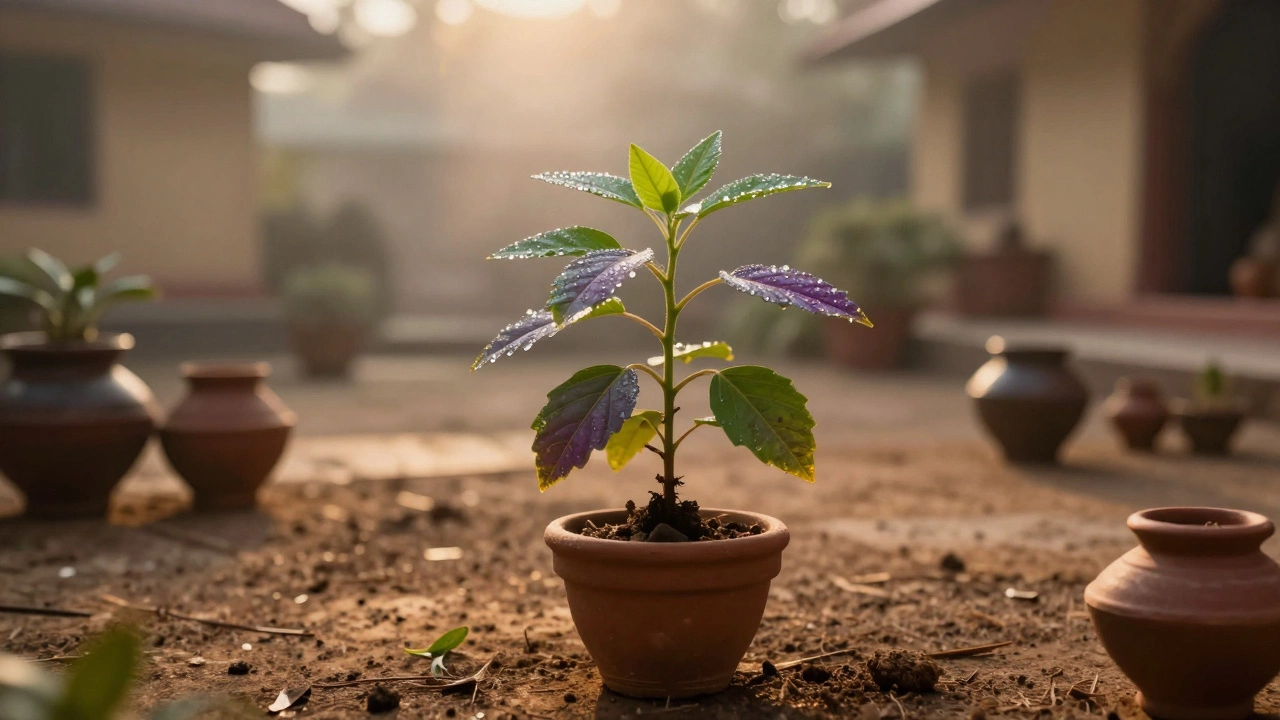
What Is the Queen of All Herbs? The Ayurvedic Powerhouse Behind Ancient Healing
Tulsi, or holy basil, is known as the queen of all herbs in Ayurveda for its powerful immune, anti-inflammatory, and stress-relieving properties. Used daily in India for thousands of years, it's backed by science and safe for most people.