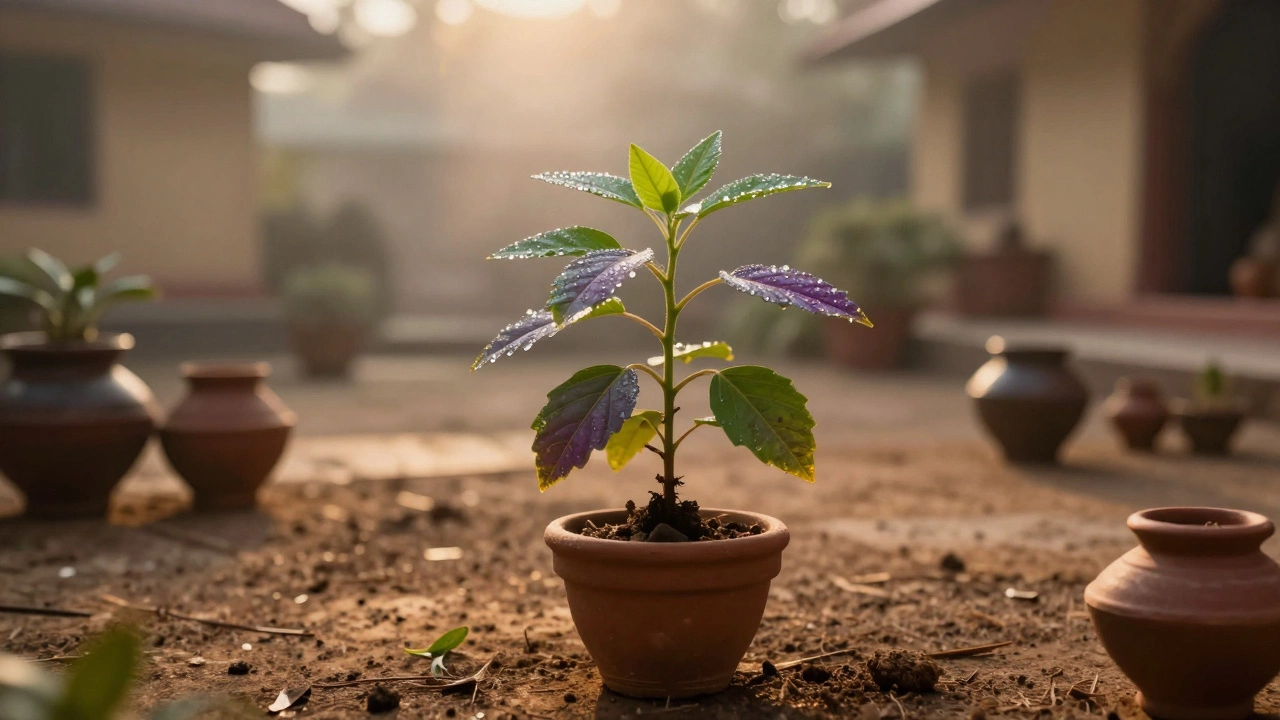
There’s a plant in India that’s been worshipped for thousands of years-not because it’s rare, but because it’s everywhere. You’ll find it growing in courtyards, on balconies, even in small pots outside grocery stores. It’s not flashy. No bright flowers. No towering height. But in Ayurveda, it’s called the queen of all herbs. That’s tulsi-also known as holy basil.
Why Tulsi Is Called the Queen of All Herbs
Tulsi isn’t just another herb on the shelf. In Ayurveda, it’s not treated like a supplement. It’s treated like medicine, ritual, and protector-all in one. Ancient texts like the Charaka Samhita and Sushruta Samhita list tulsi as a rasayana, meaning a rejuvenating herb that supports longevity, mental clarity, and immune strength. Unlike modern supplements that target one symptom, tulsi works on multiple systems at once: respiratory, digestive, nervous, and immune.
It’s not called the queen because it’s the most expensive. It’s called the queen because it’s the most versatile. While other herbs might help with coughs or stress, tulsi helps with both-and more. People in rural India keep a tulsi plant near their front door not just for decoration, but because they believe it purifies the air and wards off illness. That belief isn’t folklore-it’s backed by science.
What Science Says About Tulsi’s Benefits
Modern research confirms what Ayurveda has known for centuries. A 2017 study published in the Journal of Ayurveda and Integrative Medicine found that tulsi extract significantly reduced stress markers in participants over eight weeks. Another study from the National Center for Biotechnology Information showed that tulsi has compounds like eugenol and rosmarinic acid that act as natural anti-inflammatories, comparable to ibuprofen in some lab tests.
It’s also been shown to:
- Lower blood sugar levels in people with type 2 diabetes
- Reduce LDL (bad) cholesterol by up to 17% in clinical trials
- Improve lung function in asthma patients
- Act as a natural antibacterial agent against E. coli and Staphylococcus aureus
What’s rare is that tulsi does all this without the side effects common in synthetic drugs. You won’t get stomach upset from daily tulsi tea like you might from NSAIDs. You won’t crash after a boost like you do with caffeine. It’s gentle, steady, and sustainable.
The Three Main Types of Tulsi
Not all tulsi is the same. There are three main varieties used in Ayurveda, each with slightly different properties:
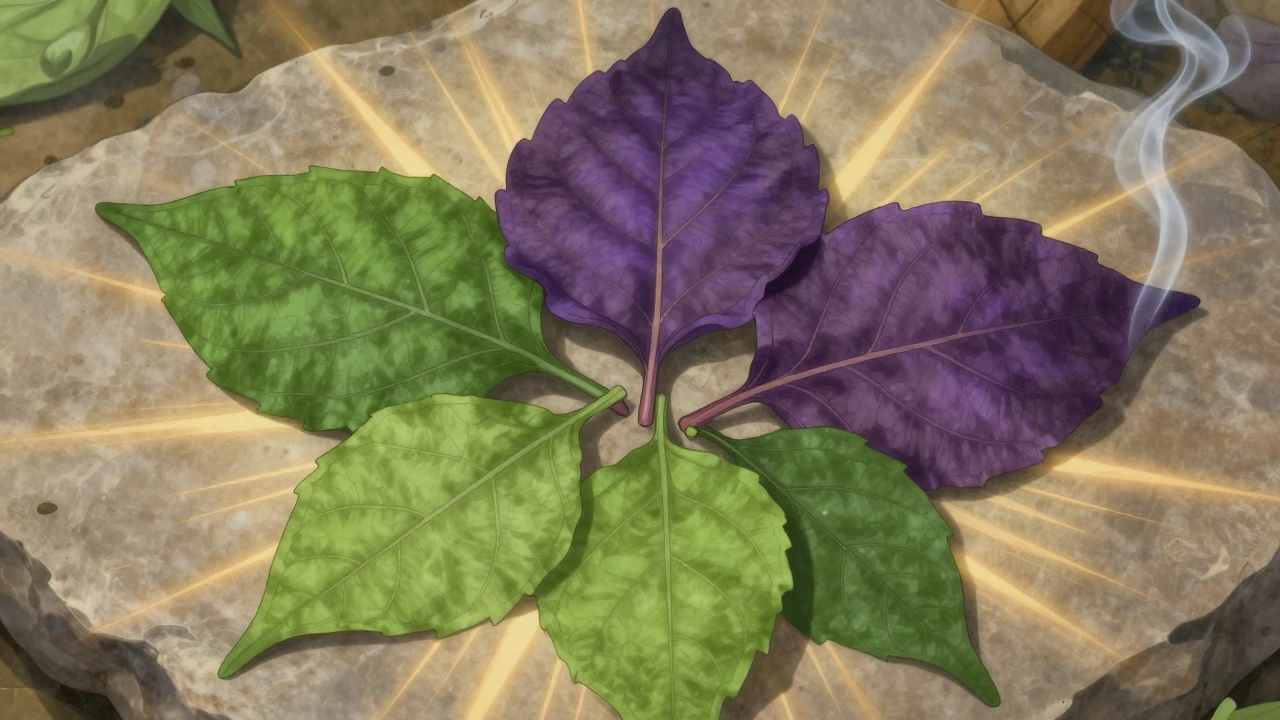
- Rama Tulsi (green leaves): The most common type. Mild flavor, excellent for daily use, supports immunity and digestion.
- Krishna Tulsi (purple leaves): Stronger aroma, higher in eugenol. Used more for respiratory issues and inflammation.
- Vana Tulsi (wild tulsi): Grows naturally in forests. More potent antioxidant properties, often used in concentrated extracts.
If you’re starting out, Rama Tulsi is the safest bet. It’s easier to find, milder in taste, and still delivers powerful benefits. Krishna Tulsi is better if you’re dealing with chronic cough, sinus issues, or joint pain. Vana Tulsi is usually found in tinctures or capsules because the leaves are small and hard to harvest in large quantities.

How to Use Tulsi in Daily Life
You don’t need to be an Ayurvedic practitioner to use tulsi. Here’s how real people use it:
- Tulsi tea: Boil 5-8 fresh leaves in a cup of water for 5 minutes. Strain. Add honey if you like. Drink warm in the morning or before bed. This is the most common way.
- Chewing leaves: Eat 2-3 fresh leaves on an empty stomach. It tastes sharp and peppery, but it’s one of the most direct ways to absorb the active compounds.
- Dried powder: Mix 1/2 teaspoon of tulsi powder into warm water or smoothies. Good for travel or if you don’t have fresh plants.
- Essential oil: Dilute with coconut oil and apply to temples for headaches or chest for congestion. Never ingest essential oil.
Many people in India start their day with tulsi tea instead of coffee. It doesn’t jolt you awake-it calms you into focus. If you’re used to caffeine crashes, this shift might feel strange at first. But after a week, you’ll notice you’re less reactive to stress, your breathing feels clearer, and you sleep deeper.
Who Should Avoid Tulsi?
Tulsi is safe for most people, but there are a few exceptions:
- Pregnant women: High doses may affect hormone levels. Stick to light tea, not supplements.
- People on blood thinners: Tulsi has mild anticoagulant properties. Talk to your doctor if you’re on warfarin or similar meds.
- Those trying to conceive: Some animal studies suggest tulsi may reduce fertility temporarily. Not a concern for occasional use, but avoid high doses if actively trying to get pregnant.
For everyone else, tulsi is one of the safest herbal allies you can have. No liver damage. No dependency. No withdrawal. Just quiet, consistent support.
Why Tulsi Isn’t as Popular Outside India
If tulsi is so powerful, why don’t you see it in every health store? The answer is simple: it doesn’t fit the pharmaceutical model.
Big pharma makes money off single-compound drugs. Aspirin. Metformin. Statins. Tulsi has over 100 active compounds working together. You can’t patent a plant. You can’t patent a tea. So there’s little financial incentive to promote it widely.
Also, tulsi doesn’t give instant results. You don’t feel a rush. You don’t get a quick fix. Its power builds over weeks. That’s hard to market in a world obsessed with overnight solutions. But that’s also why it’s so valuable. It doesn’t mask symptoms-it strengthens the body’s ability to heal itself.
Where to Buy Real Tulsi
Not all tulsi products are equal. Many brands sell dried basil labeled as tulsi. That’s not the same. True tulsi has a spicy, clove-like scent. If it smells like Italian basil, it’s not tulsi.
Look for:
- Organic, whole leaves (not powders with fillers)
- Brands that specify Rama, Krishna, or Vana Tulsi
- Products from India or Nepal with clear sourcing
Some reliable brands include Himalaya, Organic India, and Banyan Botanicals. If you can grow it yourself, even better. Tulsi thrives in warm, sunny spots. In Sydney, plant it in a pot near a south-facing window. Water it regularly. Let it flower. The seeds will spread, and you’ll have a lifelong supply.
Final Thought: The Queen Doesn’t Rule With Power-She Rules With Presence
Tulsi doesn’t shout. It doesn’t demand attention. It grows quietly. It heals quietly. It doesn’t cure everything, but it makes the body better at healing itself. That’s why it’s called the queen. Not because it’s the strongest. But because it’s the most reliable.
For thousands of years, families in India have placed tulsi leaves on the foreheads of the sick. Not because it’s magic. But because they’ve seen it work-again and again.
Maybe it’s time we stopped looking for the next miracle herb. And started giving the oldest one a real chance.
Is tulsi the same as regular basil?
No. Regular basil (Ocimum basilicum) is used in cooking, especially Italian dishes. Tulsi (Ocimum tenuiflorum) is a different species with a stronger, spicier scent and medicinal properties. They look similar, but tulsi leaves are smaller, more textured, and have a peppery, clove-like aroma. Don’t substitute one for the other if you’re using it for health.
Can I drink tulsi tea every day?
Yes. Most people safely drink 1-3 cups of tulsi tea daily. It’s gentle enough for long-term use. Many Ayurvedic practitioners recommend it as a daily tonic, especially during cold and flu season or times of stress. Just avoid excessive amounts (more than 5 cups) if you’re pregnant or on blood-thinning medication.
How long does it take to feel the effects of tulsi?
Some people notice improved breathing or reduced stress within a few days. For deeper benefits-like better blood sugar control, lower cholesterol, or stronger immunity-it usually takes 3-6 weeks of consistent use. Tulsi works like a slow burn, not a flash.
Can tulsi help with anxiety?
Yes. Tulsi is classified as an adaptogen, meaning it helps the body handle stress. Studies show it lowers cortisol levels and improves mood. Many users report feeling calmer, more focused, and less reactive after a few weeks of daily use. It’s not a replacement for therapy or medication in severe cases, but it’s a powerful natural support.
Does tulsi interact with medications?
Tulsi may interact with blood thinners like warfarin, diabetes medications, and drugs that lower blood pressure. It can enhance their effects, which could lead to low blood sugar or low blood pressure. If you’re on any prescription meds, talk to your doctor before using tulsi regularly-especially in supplement form.
If you’re looking for a natural way to support your health without side effects, tulsi is one of the few herbs that delivers on centuries of tradition-and modern science. It’s not a cure-all. But for a plant that grows in a pot, it does an awful lot.



Write a comment