Tulsi: The Sacred Herb Behind Ayurveda and Modern Wellness
When you think of tulsi, a sacred plant in Ayurvedic tradition also known as holy basil, widely used for its medicinal and spiritual properties. Also known as holy basil, it’s not just a plant—it’s a daily ritual for millions in India, and increasingly, a trusted herb in global wellness routines. Unlike ordinary basil, tulsi has a peppery, slightly spicy aroma and a long history of use in breathing support, stress reduction, and immune defense. It’s the kind of herb your grandmother might have brewed into tea when you felt under the weather—and now, science is catching up.
Tulsi works because it’s packed with compounds like eugenol, rosmarinic acid, and ursolic acid—natural substances shown in studies to reduce cortisol, calm inflammation, and protect cells from damage. It’s not a magic bullet, but it’s one of the few herbs with consistent evidence across traditional use and modern research. People in India don’t just grow tulsi in their courtyards—they treat it like family. You’ll find it near doorways, watered with care, and leaves offered in prayers. That cultural weight isn’t just symbolism; it’s a sign of deep, tested value. In Ayurveda, tulsi is classified as a rasayana, a category of herbs that promote longevity, vitality, and balance in the body. It’s not just for sickness—it’s for daily resilience.
And it’s not just about tea. Tulsi is used in tinctures, powders, and even topical oils for skin and joint support. Its role in respiratory health makes it a natural companion to modern concerns like seasonal allergies or post-cold congestion. You’ll see it linked to other herbal staples like ashwagandha and turmeric in integrative health routines—each filling a different piece of the puzzle. While some people reach for synthetic supplements, tulsi offers a whole-plant approach: fewer side effects, slower but steadier results. And unlike many trendy herbal products, tulsi has been used safely for thousands of years. No FDA approval needed—just tradition, observation, and time.
What you’ll find in the posts below isn’t just a list of articles. It’s a collection of real questions from people trying to understand how an ancient herb fits into today’s health landscape. You’ll see how tulsi compares to pharmaceuticals for anxiety, whether it really helps with blood sugar, and what science says about its antioxidant power. There’s no hype here—just facts, personal experiences, and clear explanations. Whether you’re new to herbal medicine or you’ve been sipping tulsi tea for years, these posts will help you go deeper. No fluff. No marketing. Just what works, what doesn’t, and why it matters for your daily health.
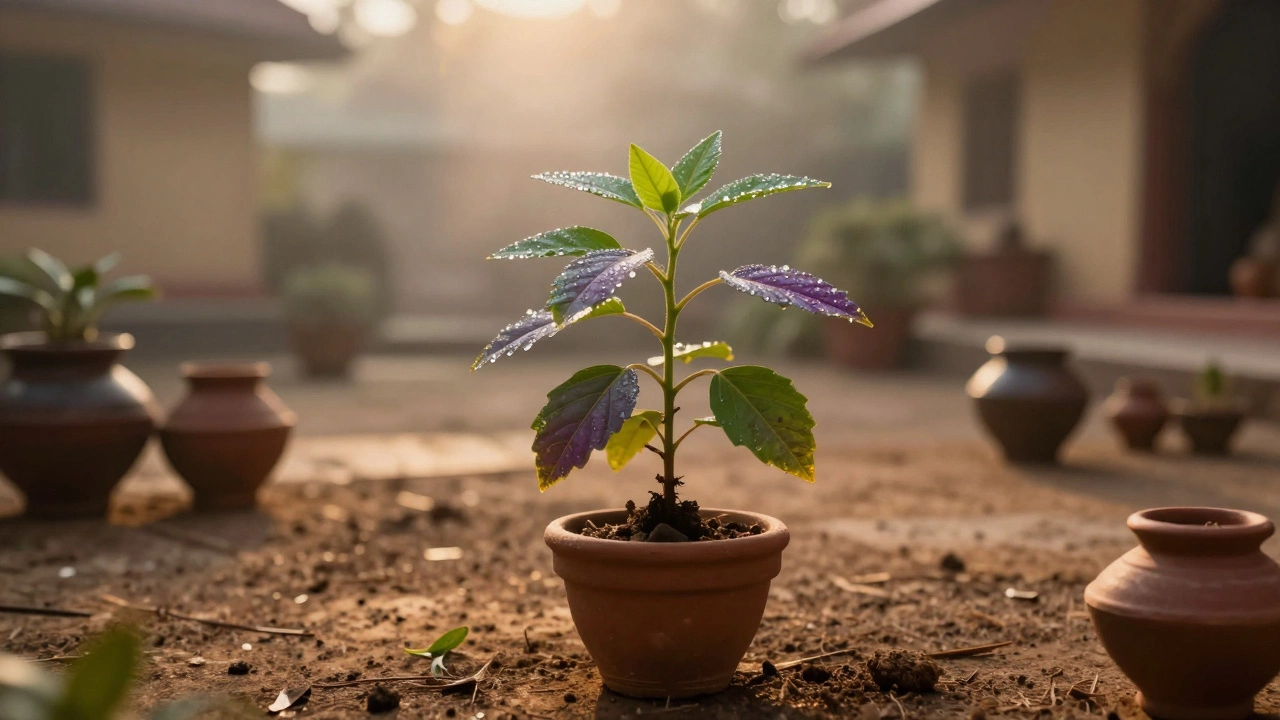
What Is the Queen of All Herbs? The Ayurvedic Powerhouse Behind Ancient Healing
Tulsi, or holy basil, is known as the queen of all herbs in Ayurveda for its powerful immune, anti-inflammatory, and stress-relieving properties. Used daily in India for thousands of years, it's backed by science and safe for most people.