Tulsi Benefits: How This Sacred Herb Supports Health and Wellness
When you hear tulsi, a sacred plant in Ayurveda also known as holy basil. Also known as holy basil, it’s been used for over 5,000 years in India not just as a spice, but as a daily medicine. Unlike regular basil, tulsi isn’t just for garnishing food—it’s a living remedy. People in rural villages drink tulsi tea every morning. Urban families keep pots of it near their doorways, believing it purifies the air. And science is now catching up: studies show tulsi helps lower stress hormones, supports lung function, and even fights inflammation.
It’s not magic. It’s chemistry. Tulsi contains compounds like eugenol and rosmarinic acid that act as natural antioxidants. These help your body handle daily stress—whether it’s from work, pollution, or poor sleep. In Ayurveda, tulsi is called an adaptogen, a herb that helps the body adapt to physical and emotional stress. That’s why it’s often paired with other herbs like ashwagandha in traditional formulas. You won’t find tulsi in most pharmacies, but you’ll find it in every Ayurvedic clinic, every home remedy kit, and every Indian grandmother’s kitchen. It’s not just a plant—it’s a daily ritual for resilience.
People use tulsi for more than just stress. It’s common to chew a few leaves when you feel a cold coming on. Brewed as tea, it helps clear sinuses and soothes sore throats. Some studies suggest it may help regulate blood sugar, making it useful for people managing prediabetes. And because it’s naturally antimicrobial, it’s been used to clean minor cuts and reduce gum inflammation. You don’t need a prescription. You don’t need a fancy supplement. Just a few fresh leaves, some hot water, and five minutes of your day.
What’s surprising is how little most Western medicine talks about tulsi—even though it’s one of the most studied herbs in traditional systems. While big pharma focuses on single-molecule drugs, tulsi works because of its full-spectrum compounds. That’s why you won’t see it as a pill. Its power comes from being whole. And that’s exactly why so many people are turning back to it—especially those tired of side effects and synthetic solutions.
Below, you’ll find real stories and science-backed insights on how tulsi fits into everyday health. From how to grow it at home to what research says about its impact on anxiety and immunity—you’ll see why this herb isn’t just tradition. It’s a practical tool for modern living.
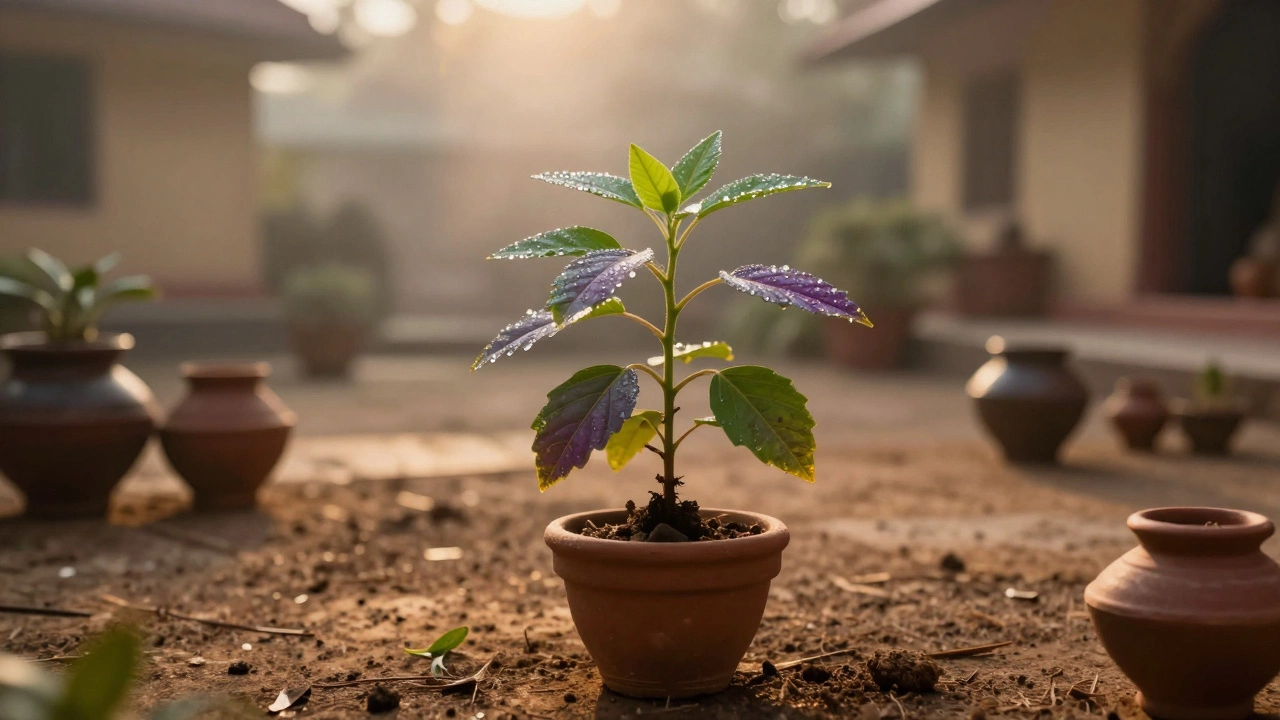
What Is the Queen of All Herbs? The Ayurvedic Powerhouse Behind Ancient Healing
Tulsi, or holy basil, is known as the queen of all herbs in Ayurveda for its powerful immune, anti-inflammatory, and stress-relieving properties. Used daily in India for thousands of years, it's backed by science and safe for most people.