Ayurvedic Dosha Tendency Finder
Select the traits that most closely describe you. You can choose multiple options for each category to find your dominant energy.
1. Physical Build & Appearance
2. Mental & Emotional Tendencies
3. Typical Imbalances
Your Result: -
Based on your selections, this energy is most prominent in your current state.
Key Traits:
-
Balancing Tip:
-
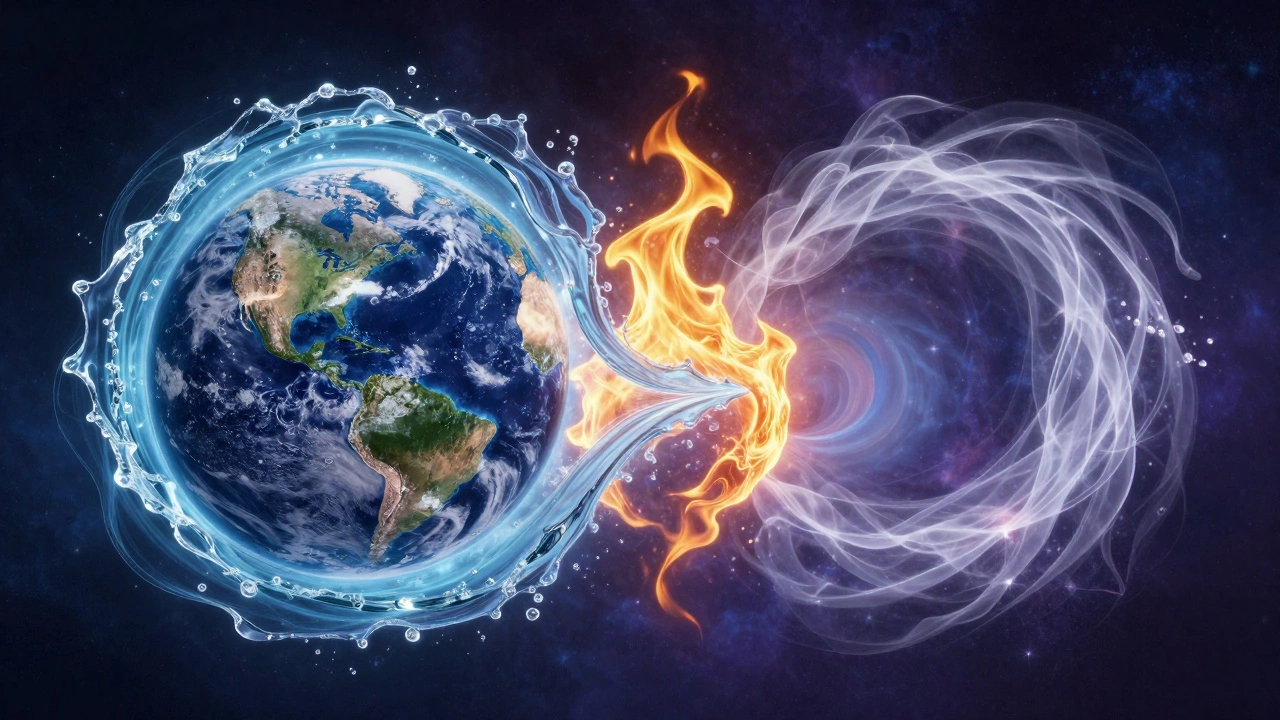
The Five Elements: The Building Blocks of Everything
Before we hit the four main pillars, we have to talk about the Pancha Mahabhuta, or the five great elements. Ayurveda teaches that everything in the universe-including you-is made of Space, Air, Fire, Water, and Earth. Think of these as the raw materials. When these elements combine in different ratios, they create the biological energies that run your body. For instance, if you have a lot of 'Fire' in your system, you might be prone to heartburn or a quick temper. If 'Earth' dominates, you might feel grounded but struggle with lethargy or weight gain.
How elements manifest in your body
- Space: Found in the empty gaps of your body, like the lungs and digestive tract.
- Air: The movement of your breath, the pulsing of your heart, and nerve impulses.
- Fire: Your metabolism, digestion, and the heat of your internal organs.
- Water: Saliva, blood, lymph, and the lubrication in your joints.
- Earth: Bones, muscles, teeth, and the physical structure of your skin.
The real magic happens when these elements pair up to form the three 4 principles of Ayurveda that determine your health status. It's not about the elements existing in isolation, but how they interact to keep you alive and kicking.
The Doshas: Your Unique Biological Blueprint
The first major principle is the concept of Doshas. These are the three functional energies that govern everything from your digestion to your mood. Everyone has all three, but usually, one or two dominate. This is your Prakriti, or your innate constitution. When your Doshas are in balance, you feel great. When they're skewed-due to stress, bad food, or seasonal changes-you get sick.
Let's look at the three primary Doshas and how they actually feel in real life:
| Dosha | Elements | Physical Traits | Mental Traits | Out of Balance Sign |
|---|---|---|---|---|
| Vata | Air & Space | Lean, dry skin, cold hands | Creative, anxious, fast-talking | Insomnia, constipation, anxiety |
| Pitta | Fire & Water | Medium build, oily skin | Intense, organized, sharp | Anger, inflammation, acidity |
| Kapha | Water & Earth | Sturdy build, smooth skin | Calm, loyal, slow-moving | Weight gain, congestion, depression |
Ever known someone who is a "whirlwind"-always moving, talking fast, and forgetting their keys? That's high Vata. Or maybe you know a "perfectionist" who gets hangry the second their lunch is five minutes late? That's a Pitta-dominant person. Then there's the "rock"-the person who is steady, patient, but maybe struggles to get out of bed on a rainy Monday. That's Kapha. Knowing your type helps you stop fighting your nature and start supporting it.
Agni: The Sacred Fire of Digestion
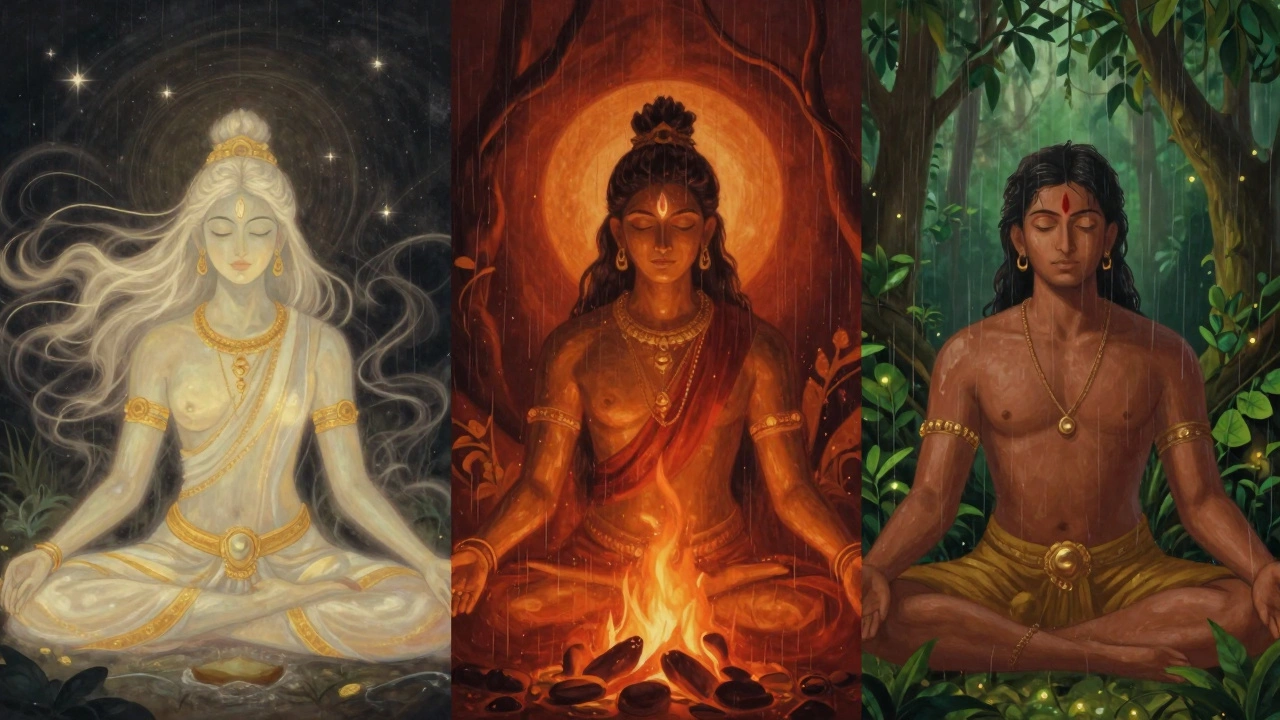
The second principle is Agni. In the West, we think of digestion as just breaking down food. In Ayurveda, Agni is the biological fire that transforms everything you take in-not just food, but also the air you breathe and the thoughts you process. If your Agni is strong, you absorb nutrients efficiently and eliminate waste without trouble. If it's weak, you create Ama.
Ama is the toxic, sticky residue left over from undigested food. It's like when you leave a pot of stew on the stove too long and it burns at the bottom. Ama clogs your channels, slows down your metabolism, and makes you feel heavy and "foggy." You can tell your Agni is struggling if you wake up with a thick white coating on your tongue or feel sleepy immediately after eating. To fix this, Ayurveda doesn't just suggest a pill; it suggests warming the fire with ginger or eating according to your hunger cues rather than the clock.
Dhatu: The Tissues That Sustain Life
The third principle focuses on the Dhatus, which are the seven types of tissues in the body. While the Doshas are the energy, the Dhatus are the physical structure. Each tissue is formed from the previous one in a sequential chain. For example, your food is first processed into plasma, which then becomes lymph, then muscle, and so on.
- Rasa (Plasma): Nourishes the rest of the tissues.
- Rakta (Blood): Carries oxygen and nutrients.
- Mamsa (Muscle): Provides strength and movement.
- Meda (Fat): Acts as insulation and energy storage.
- Asthi (Bone): The structural framework.
- Majja (Marrow/Nerve): Governs the nervous system.
- Shukra (Reproductive): Responsible for creation and longevity.
When you're exhausted despite sleeping eight hours, it might not be a lack of rest, but a depletion in your Rasa or Rakta tissues. This is why Ayurvedic treatments often include "Rasayana" or rejuvenating therapies-they aim to nourish the Dhatus from the bottom up rather than just treating a surface-level symptom.
Sattva, Rajas, and Tamas: The Qualities of the Mind
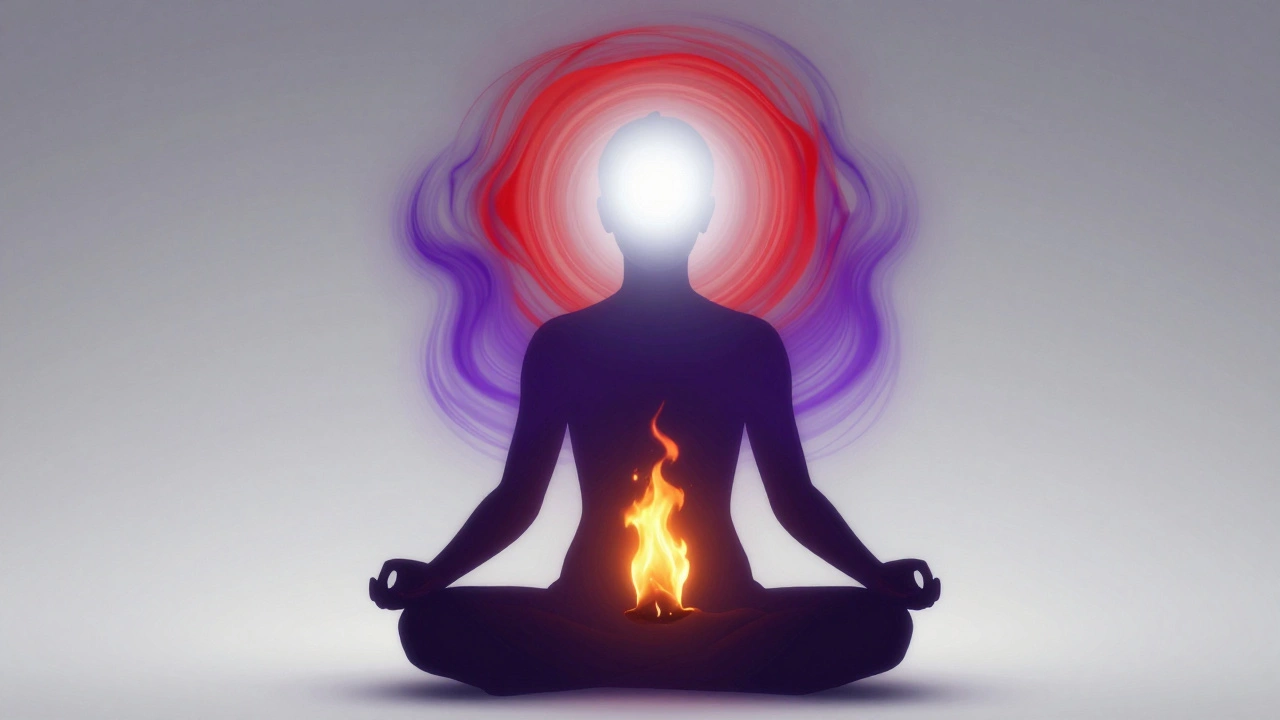
The final principle deals with the mental landscape, known as Gunas. Your physical health is useless if your mind is in turmoil. Ayurveda identifies three qualities that affect our consciousness and behavior. We all have a mix of these, but the goal is usually to increase Sattva.
- Sattva (Purity): This is the state of balance, harmony, and clarity. People in a Sattvic state are compassionate, calm, and mindful. Eating fresh fruits and meditating usually boosts this energy.
- Rajas (Activity): This is the energy of movement and passion. It's what gets you to finish a project or run a marathon. However, too much Rajas leads to restlessness, anger, and burnout. High-caffeine diets and high-stress jobs spike Rajas.
- Tamas (Inertia): This is the quality of heaviness, darkness, and stability. In small doses, it helps us sleep. In large doses, it manifests as laziness, confusion, and depression. Processed foods and excessive sleep often lead to a Tamasic state.
Think of it like a volume knob. You want enough Rajas to be productive, enough Tamas to actually get some sleep, but you want Sattva to be the primary frequency. When you balance these, your mental health supports your physical health, creating a feedback loop of wellness.
Putting the Principles Into Practice
So, how do you actually use this in your daily life? You start by observing. If you feel anxious and scattered (Vata imbalance), stop drinking ice-cold water and start eating warm, grounding foods like root vegetables and ghee. If you're feeling irritable and inflamed (Pitta imbalance), avoid spicy peppers and spend more time in cool, calming environments.
A simple rule of thumb is to eat opposite qualities. If the weather is cold and damp (Kapha), eat something warm and spicy to keep your Agni burning. If the summer heat is oppressive (Pitta), choose cooling foods like cucumber or coconut water. This isn't about restrictive dieting; it's about adjusting your environment and intake to match your current state of balance.
Can my Dosha change over time?
Your core constitution (Prakriti) stays the same from birth, but your current state of imbalance (Vikriti) changes constantly. You might be a Vata-Pitta type, but during a stressful winter, you might experience an increase in Vata symptoms like dryness or anxiety.
How do I know which Dosha is dominant in me?
While professional practitioners use pulse reading and tongue analysis, you can start by looking at your physical and emotional tendencies. Do you tend to be thin and energetic (Vata), medium-build and driven (Pitta), or sturdy and calm (Kapha)? Most people are a combination of two.
What is the fastest way to clear Ama (toxins)?
Sipping warm water with ginger throughout the day is a classic way to stimulate Agni and break down Ama. Avoiding overeating and giving your digestive system a break (like intermittent fasting) also helps the body clear out residues.
Is Ayurveda a replacement for modern medicine?
Not necessarily. Ayurveda is best used as a complementary system. It excels at prevention and managing chronic lifestyle issues, while modern medicine is unmatched for acute emergencies and surgical needs. Many people find success using both in tandem.
How does the Guna system affect my diet?
Sattvic foods (fresh, organic, light) promote mental clarity. Rajasic foods (caffeine, spicy, fried) stimulate the mind and body. Tamasic foods (stale, overly processed, heavy meat) can make you feel lethargic. Choosing more Sattvic foods generally leads to a more peaceful mind.



Write a comment