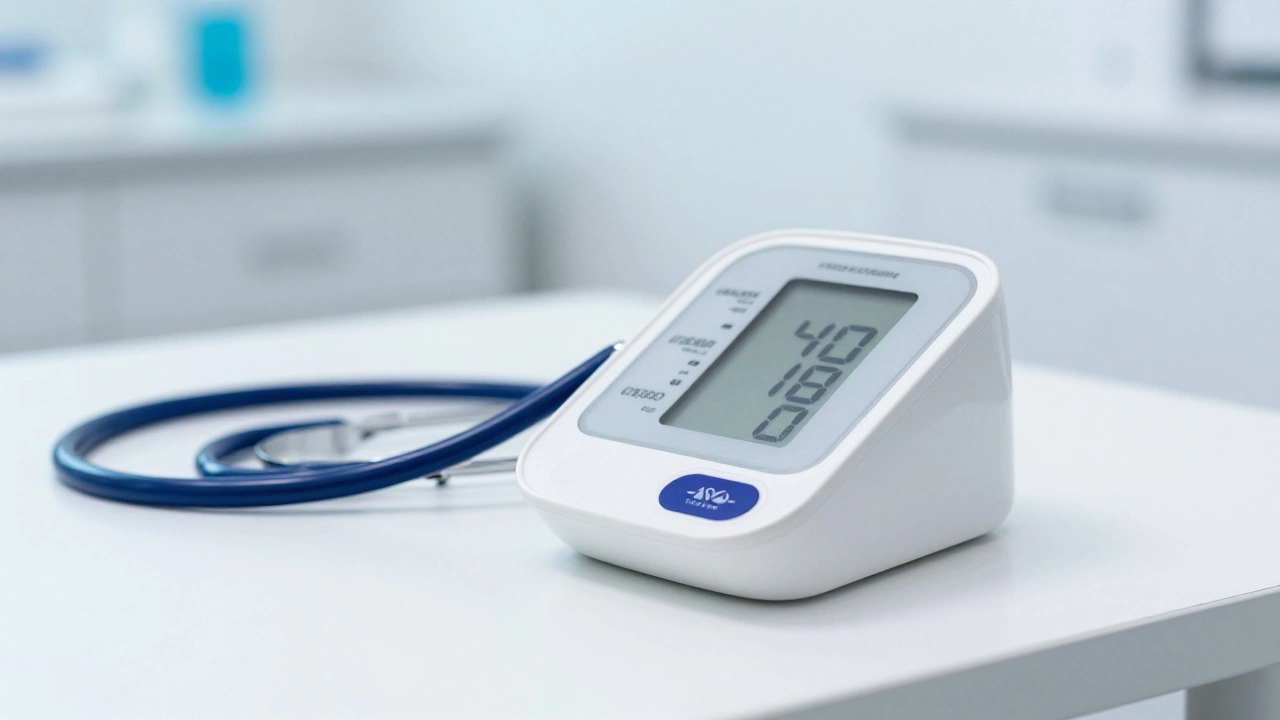
Quick Summary of Key Components
- Vital Signs: Blood pressure, heart rate, and BMI.
- Blood Work: Glucose, cholesterol, and kidney/liver function.
- Organ Imaging: Ultrasounds or X-rays for internal organs.
- Cancer Screenings: Mammograms, Pap smears, or colonoscopies.
- Physical Exams: Heart and lung auscultation and neurological checks.
The Basics: Every Checkup Starts Here
No matter which package you choose, there are non-negotiables. These are the baseline metrics that tell a doctor if your body is under stress. First up is the Blood Pressure check. If your reading is consistently above 130/80 mmHg, you're entering the territory of hypertension, which puts a massive strain on your heart and brain. This is often called a 'silent killer' because you can't feel your arteries hardening until it's too late.
Then there's the Body Mass Index (BMI) and waist circumference. While BMI isn't perfect (it doesn't know the difference between muscle and fat), a waist-to-hip ratio is a much better predictor of cardiovascular risk. If you carry most of your weight around your midsection, you're more likely to have visceral fat, which triggers inflammation and insulin resistance.
The physical exam usually involves a doctor listening to your heart and lungs. They aren't just listening for a beat; they're listening for murmurs or wheezing that could indicate valve issues or early-stage asthma. This tactile part of the checkup is where the doctor looks for swelling in the ankles (edema) or abnormal skin pigmentation that might hint at liver dysfunction.
The Blood Work: Peering Inside Your Veins
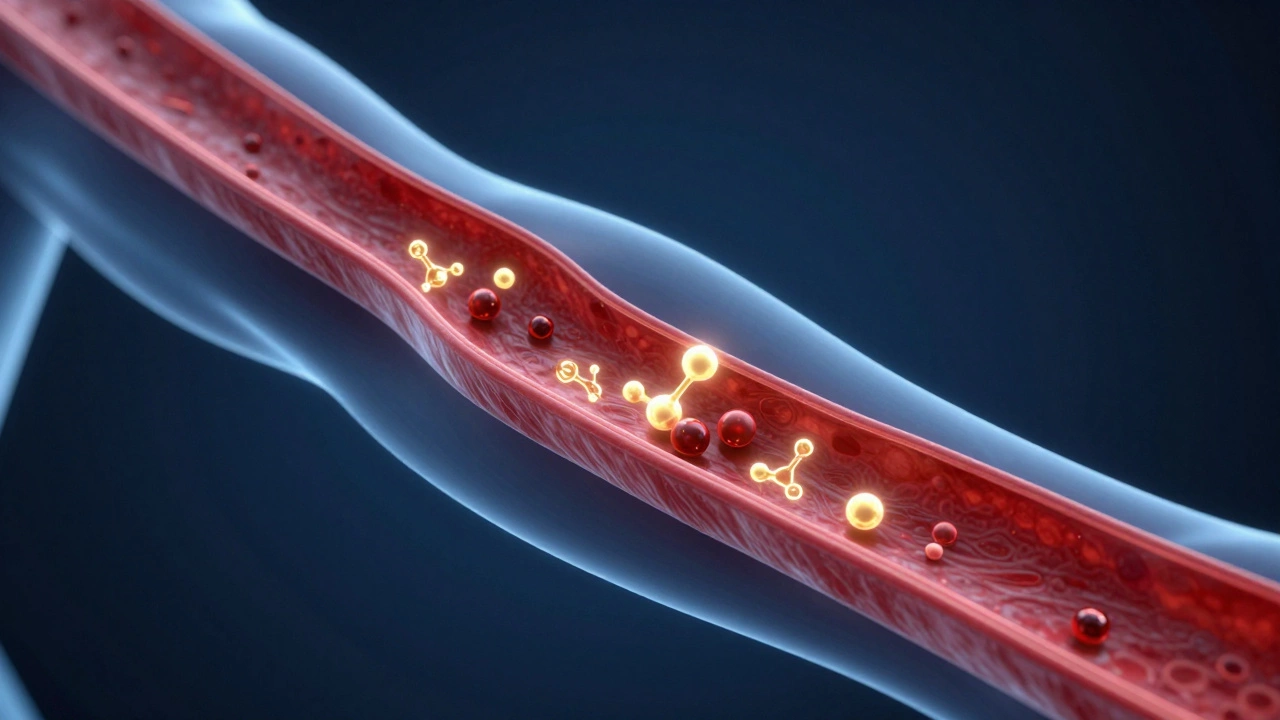
This is the core of most health checkup packages. A few vials of blood can reveal a surprising amount about your internal chemistry. The most critical component is the Lipid Profile. This measures your Total Cholesterol, LDL (the 'bad' kind), HDL (the 'good' kind), and Triglycerides. If your LDL is high, it's like having gunk building up in your plumbing; eventually, it restricts blood flow.
Next is the blood sugar test, usually measuring HbA1c. Unlike a standard glucose test that shows your sugar level at that exact second, HbA1c gives a three-month average. This is the gold standard for spotting pre-diabetes. If your percentage is between 5.7% and 6.4%, you have a window of opportunity to change your diet and avoid a lifetime of medication.
We also look at organ function. The Liver Function Test (LFT) checks enzymes like ALT and AST. If these are leaked into the blood, it usually means your liver cells are damaged. Similarly, the Kidney Function Test (KFT) measures Creatinine and Urea. High levels of creatinine suggest your kidneys aren't filtering waste efficiently enough, which is common in people with long-term high blood pressure.
| Test Name | What it Measures | Key Indicator | Potential Warning Sign |
|---|---|---|---|
| CBC (Complete Blood Count) | Red/White cells, Hemoglobin | Anemia / Infection | Low hemoglobin or high white cell count |
| Lipid Profile | Cholesterol & Triglycerides | Heart Disease Risk | LDL > 130 mg/dL |
| HbA1c | 3-month average glucose | Diabetes Risk | Result > 6.5% (Diabetes) |
| Creatinine | Muscle waste filtration | Kidney Health | Levels above normal range (impaired filtration) |
Advanced Imaging and Screenings
Depending on the package level, you might move from blood tests to imaging. An Ultrasound of the abdomen is common. It allows doctors to see the size and texture of your liver, gallbladder, and spleen. For instance, an ultrasound can spot 'fatty liver,' a condition where fat builds up in the liver cells, often linked to obesity or alcohol use.
For those in specific age brackets, cancer screenings are the most critical part. Women usually have Mammography to detect breast lumps that are too small to be felt by hand. Similarly, Pap smears screen for HPV and cervical cell changes. For men, a PSA (Prostate-Specific Antigen) blood test is often included to screen for prostate issues, though it's usually paired with a physical exam for a full picture.
Then there's the colonoscopy. While not in every basic package, it's vital once you hit 45 or 50. It's the only way to find and remove polyps (small growths) before they ever turn into colorectal cancer. It's a tedious process, but it's one of the few screenings that can actually prevent cancer rather than just detect it.

Tailoring the Checkup to Your Life Stage
A 25-year-old doesn't need the same tests as a 65-year-old. In your 20s and 30s, the focus is on baseline markers: cholesterol, blood pressure, and lifestyle habits. You're looking for genetic tendencies. If you find out your LDL is high at 28 despite a healthy diet, you know you have a genetic predisposition and need to be more vigilant.
By your 40s, the focus shifts toward metabolic health. This is when Insulin Resistance and early heart disease often surface. Men might start focusing more on prostate health, and women on perimenopausal hormonal changes and bone density.
In your 60s and beyond, the priority is organ efficiency and sensory health. This includes hearing tests, vision screenings for cataracts or glaucoma, and bone density scans (DEXA) to check for osteoporosis. At this stage, the goal is maintaining quality of life and preventing falls or strokes.
Common Pitfalls and How to Avoid Them
One big mistake people make is 'cherry-picking' tests. You might see a fancy test for a rare vitamin deficiency online and demand it, while ignoring your skyrocketing blood pressure. A comprehensive package is designed by medical professionals to create a logical map of your health. Don't treat it like a buffet; treat it like a diagnostic system.
Another issue is the "one and done" mentality. A health check is a snapshot, not a movie. If your glucose was borderline high last year, a single normal test this year doesn't mean the problem is gone-it just means it's managed. The value of these packages lies in the trend line. Comparing this year's results to last year's is where the real insights happen.
Finally, beware of the 'over-diagnosis' trap. Sometimes, high-end imaging finds a tiny nodule or cyst that would never have caused a problem in your entire life. This can lead to unnecessary anxiety and invasive biopsies. Always ask your doctor: "Does this finding change my treatment plan, or is it just a common incidental finding?"
Preparing for Your Appointment
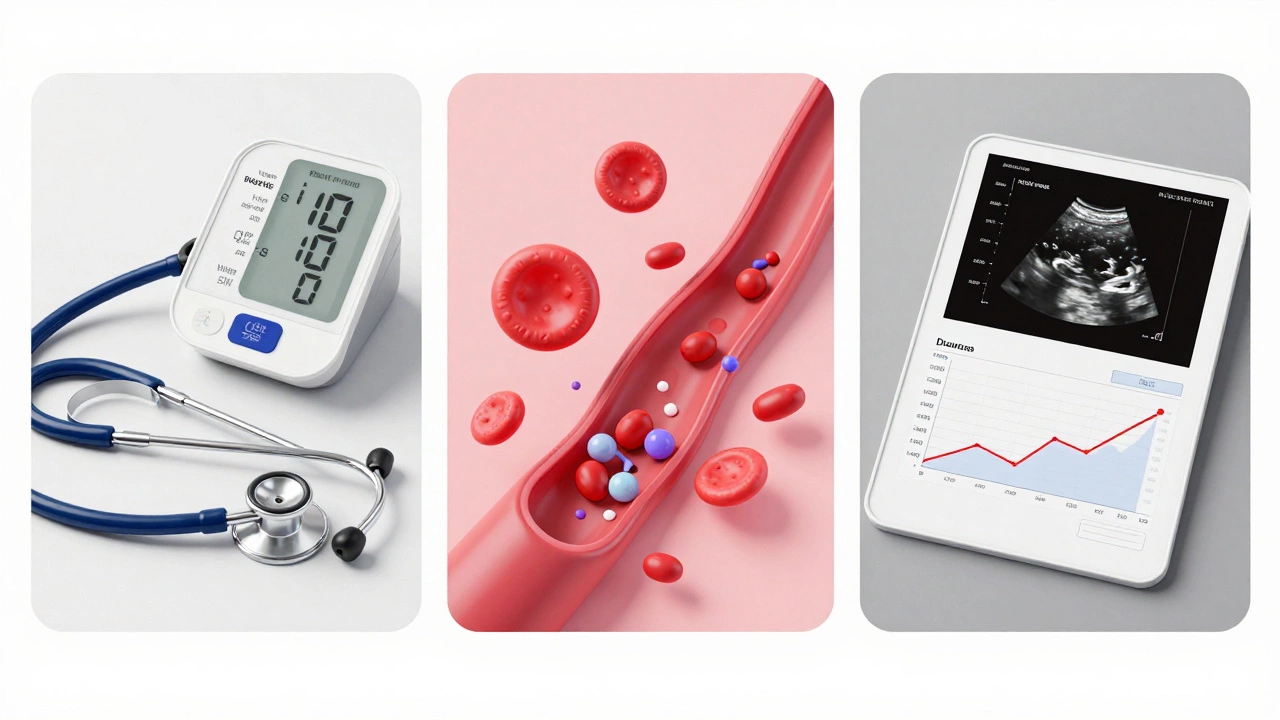
To get the most accurate results from your health checkup packages, preparation is key. The most important rule is fasting. For most metabolic and lipid tests, you need 8 to 12 hours of nothing but water. If you eat a sugary snack at 6 AM and have your blood drawn at 8 AM, your glucose levels will be skewed, and you might get a false 'pre-diabetic' diagnosis.
Keep a list of your current medications and supplements. Even a daily multivitamin or a fish oil capsule can affect certain blood markers. Be honest about your lifestyle-including how much you drink or smoke. Doctors aren't there to judge you; they're there to calculate your risk. If they don't know you smoke a pack a day, they might misinterpret a slight drop in your oxygen saturation.
How often should I get a full health check?
For healthy adults under 40, once every 2-3 years is usually sufficient unless you have a pre-existing condition. Once you hit 40, an annual check is recommended because metabolic changes and cancer risks increase significantly with age.
Can I just do a home test kit instead of a clinic package?
Home kits are great for basic monitoring (like blood glucose), but they can't replace a clinical check. They lack the physical exam, the professional interpretation of results, and the high-precision equipment used in labs. A home kit might tell you your sugar is high, but it won't tell you why or if your kidneys are struggling as a result.
What is the difference between a basic and a comprehensive package?
A basic package typically covers vitals and a few blood tests (CBC, Glucose, Lipid profile). A comprehensive package adds imaging like ultrasounds, ECGs for heart rhythm, and more specialized screenings like thyroid panels or cancer markers.
Do I need to be fasted for all tests in a package?
Not for everything, but if your package includes a Lipid Profile or Blood Glucose test, fasting is mandatory. Drinking coffee (even black) or eating a small piece of fruit can trigger a metabolic response that alters your results.
Are cancer screenings included in every health check?
Usually no. Most basic and intermediate packages focus on metabolic health. Specific cancer screenings (like colonoscopies or mammograms) are often added as 'extras' or are part of advanced, age-specific packages.
Next Steps and Troubleshooting
Once you get your results back, don't panic if you see a few values marked in red. Many labs use very narrow 'normal' ranges. A value slightly outside the range might be perfectly normal for your body type or age. The key is to schedule a follow-up consultation to review the numbers with your doctor.
If you have a family history of early heart disease or colon cancer, don't stick to a 'standard' package. Tell your provider your family history and ask for specific additions. For example, if your father had a heart attack at 45, you should request a Calcium Score test or a more advanced cardiac screening long before the standard age guidelines suggest.
If you're feeling overwhelmed by the options, start simple. Get a basic physical and blood panel. Use those results as a starting point to decide if you need more advanced imaging. The goal isn't to find every tiny imperfection in your body, but to ensure the big systems-heart, lungs, liver, and kidneys-are running smoothly.




Write a comment