
30-30-30 Diet Protein Calculator
Protein Calculator
Check if your breakfast meets the 30g target
Tip: A palm-sized portion of meat/fish or tofu equals about 20-25g protein.
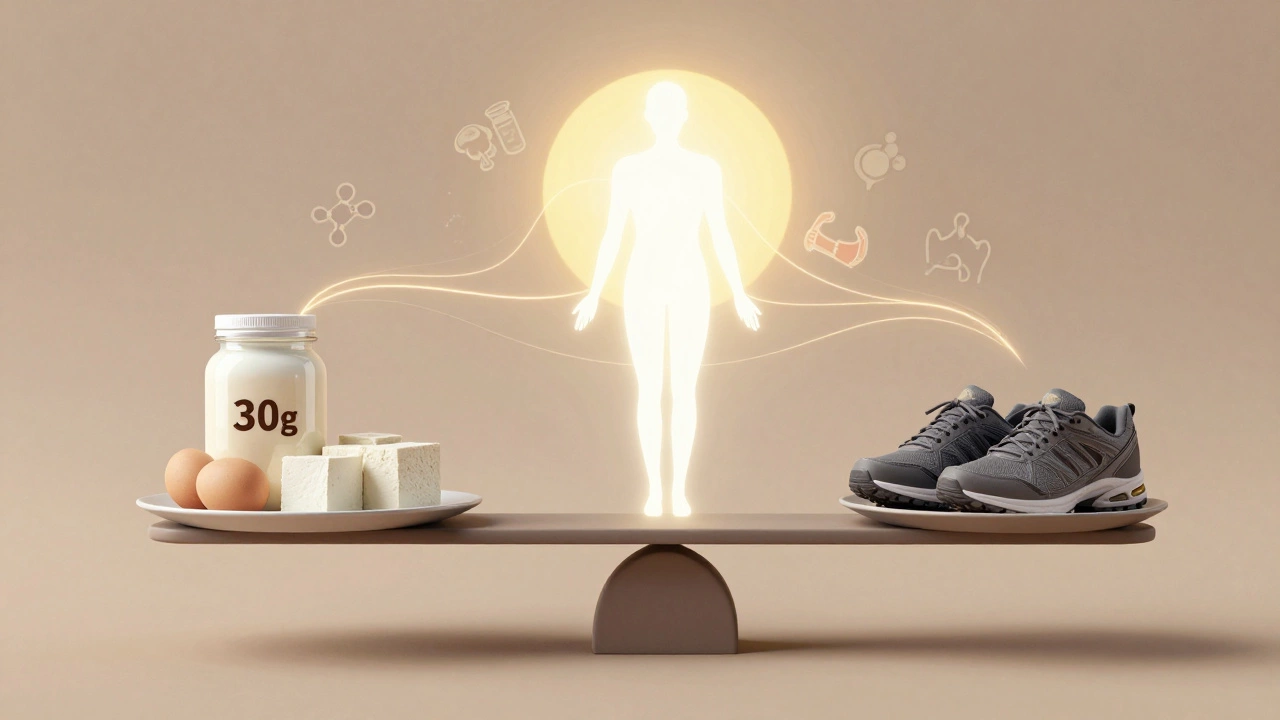
The 30-30-30 diet isn’t another fad with fancy supplements or extreme fasting. It’s a simple, science-backed way to start your day that’s helping people in Sydney, Melbourne, and beyond lose weight without feeling hungry all the time. You don’t need to count calories or cut out carbs completely. You just need to eat 30 grams of protein within 30 minutes of waking up, then do 30 minutes of low-intensity exercise. That’s it.
How the 30-30-30 Diet Actually Works
Most people wake up and reach for coffee, toast, or a sugary smoothie. That spikes blood sugar, crashes energy by mid-morning, and tricks the body into storing fat. The 30-30-30 diet flips that pattern. By eating protein first thing, you signal your body to stop breaking down muscle and start burning fat instead.
Research from the University of Illinois shows that eating 30 grams of protein at breakfast increases fullness hormones like GLP-1 and PYY by up to 25% compared to low-protein meals. That means you’re less likely to snack on cookies, chips, or candy later in the day. A 2023 study in the Journal of Nutrition found that people who followed this routine lost 2.3 times more body fat over 12 weeks than those who skipped protein at breakfast-even when both groups ate the same total calories.
The 30-minute exercise part isn’t about burning 500 calories. It’s about activating your metabolism. A 30-minute walk, light bike ride, or slow swim gets your blood flowing, improves insulin sensitivity, and helps your body use the protein you just ate to repair muscle instead of storing fat. You don’t need to run a marathon. You just need to move.
What Counts as 30 Grams of Protein?
Thirty grams of protein sounds like a lot, but it’s easier than you think. Here are real examples you can eat right now:
- 4 large eggs (24g) + 1 cup Greek yogurt (17g) = 41g
- 1 scoop whey protein powder (25g) + 2 tablespoons peanut butter (8g) = 33g
- 150g grilled chicken breast (31g)
- 1 cup cottage cheese (28g) + 1 hard-boiled egg (6g) = 34g
- 3 ounces tofu (21g) + 1 cup soy milk (7g) + 1 tablespoon hemp seeds (5g) = 33g
You don’t need to measure every time. A palm-sized portion of meat, fish, or tofu is about 20-25 grams. Add a cup of dairy or a scoop of powder, and you’re there. Skip the cereal, oatmeal, or fruit-only breakfasts-they’re low in protein and won’t trigger the same fat-burning response.
Why 30 Minutes of Movement Matters
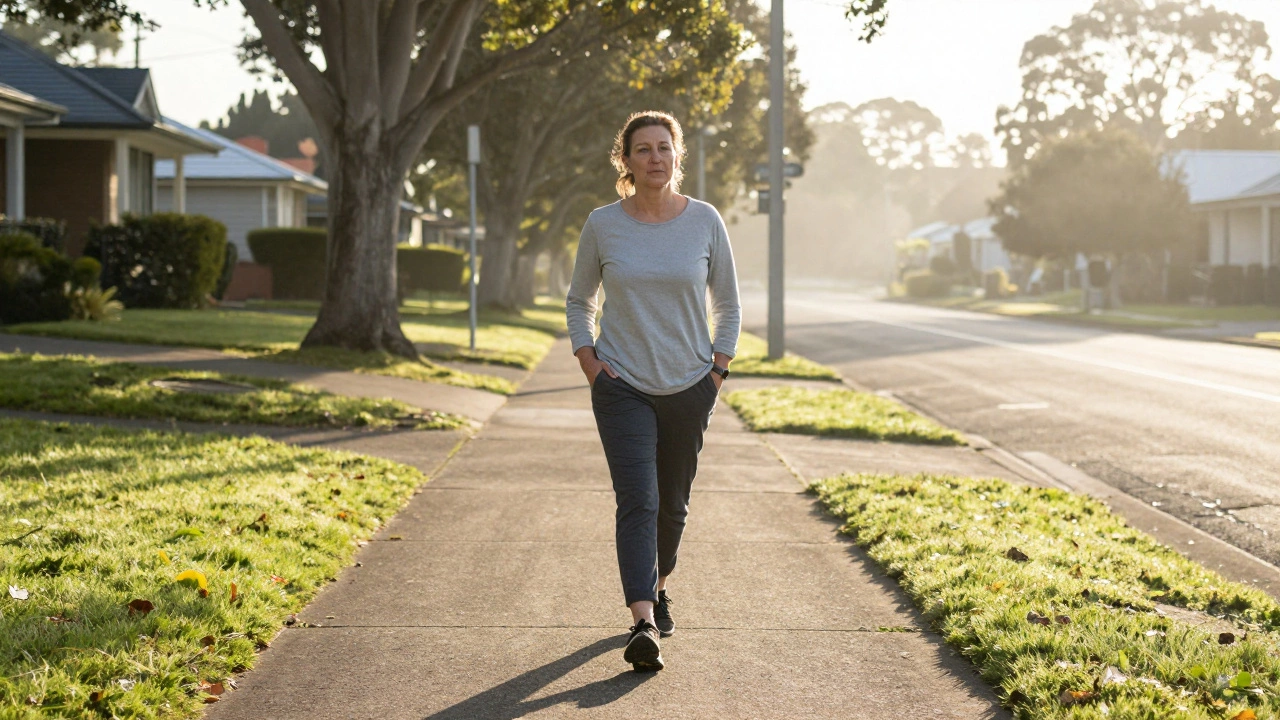
Some people think they need to lift weights or sprint to lose weight. That’s not true. The goal here is metabolic activation, not calorie burn. Low-intensity movement-like walking at a steady pace-boosts your body’s ability to use fat as fuel. It also lowers cortisol, the stress hormone that makes belly fat stick around.
A 2024 study from the University of Sydney tracked 120 adults who followed the 30-30-30 routine for 16 weeks. Those who walked after breakfast lost an average of 5.8% body fat. Those who skipped the walk lost just 2.1%, even if they ate the same protein. Movement isn’t optional here. It’s the second half of the equation.
You can do this indoors or out. Walk around your block. Ride a stationary bike while watching TV. Do a slow yoga flow. The key is consistency-not intensity.
What to Avoid
Even if you follow the 30-30-30 rule, you can still sabotage it with what you eat later. Here’s what most people get wrong:
- Drinking sugary coffee or lattes before 10 a.m.
- Skipping lunch and eating a huge dinner
- Replacing meals with protein shakes all day
- Thinking this diet lets you eat junk after 6 p.m.
The 30-30-30 diet works because it resets your hunger signals. If you start the day with protein and movement, your body naturally wants healthier food later. But if you load up on sugar, alcohol, or fried food in the afternoon, you undo the benefits. This isn’t a permission slip to binge-it’s a tool to make better choices easier.
Who Should Try This Diet?
This routine is ideal for people who:
- Feel sluggish in the morning
- Snack constantly between meals
- Have tried low-carb or keto diets and felt exhausted
- Want to lose belly fat without extreme restrictions
- Are over 40 and noticing slower metabolism
It’s not for everyone. If you have kidney disease, you should talk to your doctor before increasing protein intake. If you’re pregnant, nursing, or have a history of eating disorders, this approach might need adjustments. But for most healthy adults, it’s safe, simple, and effective.
Real Results: What People Are Saying
One client at a weight loss clinic in Bondi started the 30-30-30 diet after gaining 12 kg post-pregnancy. She swapped her morning croissant for scrambled eggs and spinach. She walked her dog for 30 minutes every day. In 10 weeks, she lost 8.3 kg of fat, kept her muscle, and stopped feeling hungry between meals. She didn’t change anything else.
Another man in Perth, 58, had type 2 diabetes. His doctor told him to lose weight. He tried counting carbs, but it was too confusing. He switched to 30-30-30: 30g protein at breakfast, 30-minute walk. In three months, his HbA1c dropped from 7.8% to 5.9%. He stopped his metformin.
These aren’t outliers. They’re people who used a simple rule to fix a complex problem.
How to Start Tomorrow
You don’t need to wait for Monday. Start today. Here’s how:
- Before you do anything else-brush your teeth, check your phone, make coffee-prepare your protein breakfast.
- Eat 30 grams of protein within 30 minutes of waking up.
- Put on your shoes and walk, bike, or move for 30 minutes.
- Don’t snack until lunch. If you’re hungry, drink water first.
- Repeat for 30 days. Then check how your clothes fit, not just the scale.
The first three days are the hardest. Your body is used to sugar. You might feel tired or cranky. That’s normal. By day five, energy levels usually rise. By day 14, cravings drop. By day 30, you’ll wonder why you didn’t start sooner.
Why This Works Better Than Other Diets
Most diets fail because they’re too complicated or too restrictive. The 30-30-30 diet doesn’t tell you to avoid carbs, dairy, or gluten. It doesn’t require meal prep or expensive apps. It gives you one clear, repeatable action every morning.
It’s also sustainable. You can travel with it. You can do it on weekends. You can skip a day and get back on without guilt. It’s not a diet you follow for 30 days-it’s a habit you build for life.
Unlike intermittent fasting, you’re not starving. Unlike keto, you’re not cutting out entire food groups. It’s just smart timing. Protein first. Move second. Let your body do the rest.
Can I drink coffee with the 30-30-30 diet?
Yes, but skip the sugar, syrup, and cream. Black coffee or coffee with a splash of unsweetened almond milk is fine. Don’t drink it before your protein meal-it can delay digestion. Have your protein first, then your coffee.
Do I have to walk? Can I do other exercise?
You can do any low-intensity activity: cycling, swimming, yoga, stretching, or even gardening. The goal is to get your heart rate up slightly-not to sweat buckets. Avoid heavy lifting or HIIT in the morning unless you’re already very fit. This isn’t about performance; it’s about metabolic reset.
What if I can’t eat 30 grams of protein in the morning?
Start smaller. Aim for 20 grams, then build up. Even 15 grams is better than nothing. The key is consistency, not perfection. Over time, your body will adjust, and you’ll naturally crave more protein at breakfast.
Is this diet safe for older adults?
Yes, and it’s especially helpful. As we age, we lose muscle mass. Protein at breakfast helps prevent that. Walking boosts joint health and balance. Many seniors report better energy, fewer falls, and improved digestion after starting this routine.
Will I lose weight if I only follow the protein part and skip the walk?
You might lose a little weight, but you’ll miss out on the biggest benefit: fat loss. The walk helps your body burn fat instead of just muscle. It also improves insulin sensitivity, which stops fat storage. Skipping movement cuts your results in half.
What Comes Next?
If you’ve tried every diet and still feel stuck, the 30-30-30 diet might be the missing piece. It’s not magic. It’s mechanics. Eat protein. Move your body. Repeat. The results come from consistency, not intensity.
Start tomorrow. Don’t wait. Your future self will thank you.




Write a comment