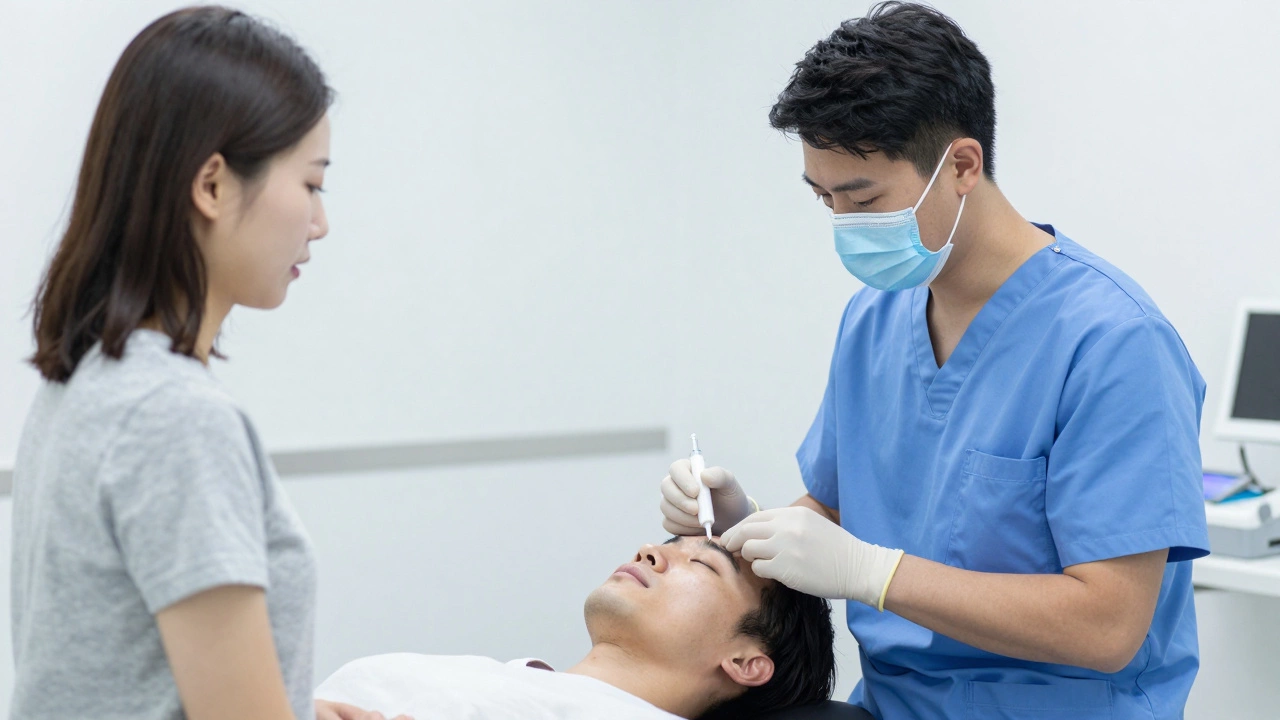
Surgical Risk & Safety Estimator
Patient & Procedure Profile
Safety Analysis
Enter your details and click "Estimate Safety Profile" to see the analysis.
When you hear the word surgery, your mind might jump to operating rooms, general anesthesia, and long recovery periods. But have you ever wondered what the absolute safest procedure is? It’s a question that comes up often, especially when people are nervous about medical interventions. The short answer? There isn’t just one "safest" surgery. Safety depends entirely on what condition you’re treating, how complex the procedure is, and who is performing it.
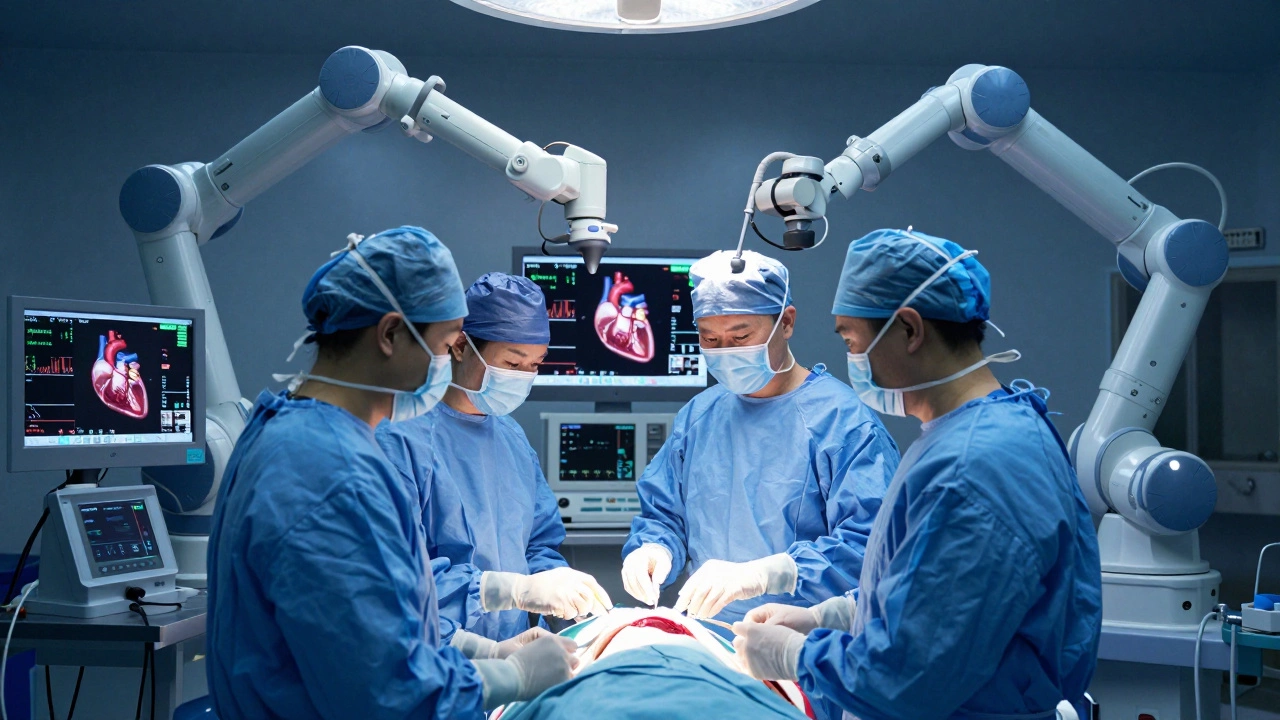
For most healthy adults, the safest surgeries are minor ones-like removing a small skin tag or repairing a hernia laparoscopically. However, if we look at major operations, such as heart surgery is a critical intervention for cardiovascular conditions that requires precise technique and advanced technology, the definition of "safe" changes. Modern cardiac procedures have become incredibly reliable thanks to better imaging, robotic assistance, and improved patient screening. Let’s break down what makes a surgery safe, which procedures carry the least risk, and how you can protect yourself regardless of the operation.
Defining Surgical Safety: It’s Not Just About the Knife
Safety in medicine isn’t a single metric. It’s a combination of factors including mortality rates, complication rates, infection risks, and recovery time. When doctors talk about the "safest" surgery, they usually refer to procedures with a mortality rate below 0.1% and low complication rates for average-risk patients.
Consider cataract surgery. It’s one of the most common procedures performed worldwide, with success rates exceeding 98%. Why? Because it’s localized, doesn’t require general anesthesia in most cases, and has minimal impact on the body’s overall systems. Compare this to open-heart surgery, which involves stopping the heart, bypassing blood flow, and reopening the chest cavity. Even though heart surgery is life-saving, it carries higher inherent risks due to its complexity.
The key takeaway here is context. A "safe" surgery for a 25-year-old athlete might be very different from a "safe" option for a 75-year-old with multiple health issues. Your personal health profile dictates safety more than the type of surgery alone.
Minor Procedures: The Gold Standard for Low Risk
If you’re looking for the absolute lowest risk, minor outpatient procedures take the crown. These include:
- Dermatological excisions: Removing benign moles, cysts, or skin tags. These are done under local anesthesia, meaning you’re awake but numb. The risk of serious complications is near zero.
- Endoscopy: While technically an internal examination, diagnostic endoscopies (like colonoscopies) have extremely low complication rates. Serious issues like perforation occur in less than 0.1% of cases.
- Hernia repair (laparoscopic): Using small incisions and cameras, surgeons can fix hernias with minimal tissue disruption. Recovery is fast, and pain is manageable.
These procedures share common traits: they don’t involve major organs, they use local or light sedation instead of full general anesthesia, and they allow same-day discharge. For many people, these represent the safest entry point into surgical care.
Heart Surgery: How Safe Has It Become?
Given that this article falls under the Heart Surgery category, let’s address the elephant in the room. Cardiac surgery used to be terrifyingly risky decades ago. Today, it’s remarkably safe-but not without caveats.
Coronary artery bypass grafting (CABG), often called triple-bypass surgery, has a mortality rate of around 1-2% in experienced centers. That means 98 out of 100 patients survive the operation itself. Valve replacements, whether mechanical or biological, also have high success rates, especially when performed prophylactically before severe damage occurs.
What makes modern heart surgery safer?
- Robotic assistance: Systems like the da Vinci Surgical System allow for precision movements smaller than human hands can achieve. This reduces trauma to surrounding tissues.
- Better anesthesia monitoring: Advanced machines track brain activity, blood oxygen levels, and vital signs in real-time, allowing anesthesiologists to adjust medications instantly.
- Enhanced recovery protocols: Hospitals now focus on getting patients moving within hours of surgery, reducing clot risks and speeding up healing.
However, heart surgery remains one of the most complex procedures. Patients with diabetes, kidney disease, or obesity face higher risks. If you need heart surgery, choosing a high-volume center where surgeons perform dozens of these operations monthly significantly improves your odds.
| Procedure Type | Anesthesia Used | Average Mortality Rate | Recovery Time |
|---|---|---|---|
| Cataract Surgery | Local drops | <0.01% | Days |
| Laparoscopic Hernia Repair | General/Sedation | <0.1% | Weeks |
| Colonoscopy | Sedation | <0.01% | Hours |
| Coronary Artery Bypass (CABG) | General | 1-2% | Months |
| Open Heart Valve Replacement | General | 2-4% | Months |
The Role of Anesthesia in Surgical Safety
Many people fear anesthesia more than the surgery itself. Modern anesthetic techniques have made this fear largely unfounded. General anesthesia induces a controlled unconscious state while maintaining vital functions through mechanical ventilation and drug support.
The risk of dying from anesthesia alone is approximately 1 in 200,000 for healthy patients. For those with pre-existing conditions, the risk rises slightly but remains low thanks to rigorous pre-operative assessments. Anesthesiologists evaluate your heart, lungs, kidneys, and allergies before clearing you for surgery.
Regional anesthesia-numbing only part of the body-is even safer for certain procedures. Spinal blocks for knee replacements or epidurals for C-sections avoid the systemic effects of general anesthesia altogether. Whenever possible, ask your doctor if regional anesthesia is an option.
How to Choose the Safest Option for You
Safety isn’t just about the procedure; it’s about the entire ecosystem around it. Here’s how to ensure you’re getting the safest possible care:
- Pick the right surgeon: Look for board certification and experience. Surgeons who perform a specific procedure frequently have lower complication rates. Don’t hesitate to ask, "How many of these do you do per year?"
- Choose accredited hospitals: Facilities accredited by organizations like The Joint Commission adhere to strict safety standards. They undergo regular inspections to maintain quality.
- Optimize your health beforehand: Quit smoking, manage blood sugar levels, and maintain a healthy weight. Even small improvements reduce surgical risks significantly.
- Ask questions: Understand why the surgery is necessary, what alternatives exist, and what the specific risks are for your case. Informed patients make better decisions.
Remember, the "safest" surgery is often no surgery at all if conservative treatments work. Always explore non-invasive options first unless your condition demands immediate intervention.

Misconceptions About Surgical Safety
There are several myths that cloud our understanding of surgical risk. Let’s clear them up:
Myth 1: Robotic surgery is always safer. While robots offer precision, they aren’t magic. Studies show mixed results regarding outcomes compared to traditional methods. The skill of the surgeon matters more than the tool.
Myth 2: Younger patients are always safer candidates. Age alone doesn’t determine safety. A fit 80-year-old may handle surgery better than a sedentary 40-year-old with untreated hypertension.
Myth 3: More expensive means safer. Cost reflects overhead, marketing, and location-not necessarily clinical excellence. Community hospitals often provide excellent care at lower prices than private luxury facilities.
Focusing on evidence-based metrics rather than marketing claims helps you navigate these misconceptions.
Post-Operative Care: Where Safety Continues
Surgery ends when the last stitch is placed, but safety continues during recovery. Complications like infections, blood clots, or wound dehiscence often arise days or weeks later.
To stay safe post-surgery:
- Keep wounds clean and dry: Follow hygiene instructions precisely. Infections are preventable in most cases.
- Move early: Walking prevents deep vein thrombosis (DVT). Unless told otherwise, get up and walk gently within 24 hours.
- Monitor for red flags: Fever, excessive swelling, pus, or shortness of breath warrant immediate medical attention.
- Take medications as prescribed: Antibiotics and blood thinners play crucial roles in preventing complications. Skipping doses increases risk.
Your role in recovery is active, not passive. Engage fully with your care team to ensure a smooth transition back to normal life.
Is there truly a "safest" surgery?
No single surgery is universally the safest. Safety depends on individual health factors, procedure complexity, and surgical expertise. Minor procedures like cataract removal or skin lesion excision generally carry the lowest risks for most people.
How safe is heart surgery today?
Modern heart surgery, including bypasses and valve replacements, has mortality rates between 1-4% depending on the procedure and patient health. Advances in technology and perioperative care have made it much safer than in previous decades.
Does general anesthesia increase surgical risk?
General anesthesia carries minimal risk for healthy individuals (~1 in 200,000). Risks rise with pre-existing conditions, but thorough pre-op evaluations help mitigate dangers. Regional anesthesia is often safer when feasible.
Can I reduce my surgical risks before the operation?
Yes. Optimizing health by quitting smoking, controlling blood sugar, maintaining weight, and following pre-op instructions significantly lowers complication rates. Choosing an experienced surgeon and accredited facility also enhances safety.
Are robotic surgeries safer than traditional ones?
Not necessarily. Robotic systems offer precision but don’t guarantee better outcomes. Surgeon experience and technique matter more. Some studies show equivalent results between robotic and conventional approaches for many procedures.



Write a comment