Health in 2025: Aging, Metabolism, Surgery, and Medical Tourism
When you think about health in 2025, the evolving intersection of aging, medical technology, and systemic healthcare failures. Also known as modern health challenges, it's no longer just about pills and procedures—it's about who gets care, why it costs so much, and how people are finding better options outside the system. This isn’t theoretical. Real people in their 50s, 70s, and even 90s are reshaping how we understand aging, weight loss, and survival after major surgery.
Take metabolism after 55, the natural slowdown caused by muscle loss, hormonal shifts, and less daily movement. Also known as aging metabolism, it doesn’t mean you’re doomed to gain weight. The posts show how protein, strength training, and sleep can turn it around—no magic pills needed. And it’s not just women. Men face the same drop in energy, but few talk about it. Meanwhile, open-heart surgery seniors, a procedure once reserved for the young and healthy. Also known as cardiac surgery in the elderly, is now routine for people in their 80s and 90s—if their overall health is solid. Age isn’t the barrier. Condition is. That’s why the idea of an age limit for surgery, a myth pushed by outdated hospital policies. Also known as geriatric surgery restrictions, is being rewritten by real data, not assumptions.
Why people are leaving the U.S. for care
And then there’s medical tourism, the quiet revolution where Americans travel abroad for affordable, high-quality treatment. Also known as health travel, it’s not just about saving money—it’s about escaping a system that profits from illness. With obesity rates the highest in the wealthy world and chronic disease on the rise, many are asking: Why pay $1,600 a month for a weight-loss drug like Wegovy when you can get better results elsewhere? That’s the same question driving people to India for Ayurveda, Thailand for heart surgery, or Mexico for diabetes care. The system broke. People are fixing it themselves.
It’s not just about drugs or surgery. It’s about knowing what your body needs. What blood tests catch hidden problems before they turn into emergencies? Which diabetes medicines actually protect your heart—and which are just expensive placebos? How many calories should a 55-year-old woman eat without starving herself? And what does recovery from a heart transplant really feel like—not the glossy brochure version, but the sleepless nights, the fear of rejection, the daily pills that never stop? These aren’t abstract questions. They’re daily realities for millions.
What follows is a collection of honest, no-fluff answers. No marketing. No hype. Just what works, what doesn’t, and why—based on real data, real people, and real choices in 2025. Whether you’re managing your own health, caring for an aging parent, or just tired of being sold quick fixes, you’ll find something here that speaks directly to your life.

Is America the unhealthiest country? The real data behind obesity, chronic disease, and medical tourism
America has the highest obesity rates and lowest life expectancy among rich nations. Why? A broken system that profits from illness. Many Americans now seek affordable, high-quality care abroad - and it’s changing medical tourism.

How to Speed Up Your Metabolism After 55 for Lasting Energy and Weight Control
After 55, your metabolism slows due to muscle loss and hormonal changes. Learn how to boost it naturally with strength training, protein, movement, and sleep - without pills or extreme diets.

At What Age Do They Stop Doing Open-Heart Surgery?
There's no age limit for open-heart surgery. Doctors decide based on health, not birthdays. Seniors in their 80s and 90s regularly undergo heart surgery with high success rates when they're otherwise healthy.

What Are Three Warning Signs of Schizophrenia?
Learn the three key warning signs of schizophrenia-social withdrawal, disorganized speech, and hallucinations or delusions-and why early detection matters for treatment and recovery.

How Much Does One Month of Wegovy Cost in 2025?
Wegovy costs between $1,300 and $1,600 per month in Australia in 2025. Learn how it compares to other weight loss injections, whether insurance covers it, and if it's worth the price for real results.

How Many Calories Should a 55-Year-Old Woman Eat to Lose Weight?
A 55-year-old woman should aim for 1,200-1,600 calories daily to lose weight safely. Focus on protein, fiber, and healthy fats to preserve muscle and boost metabolism after menopause. Avoid extreme diets and prioritize movement and sleep.

Best Medicine for Diabetes: What Works and What Doesn’t in 2025
There's no single best medicine for diabetes. The right choice depends on your health, weight, and budget. Learn which drugs actually protect your heart and kidneys-and which ones to avoid.

What Is the Hardest Surgery to Recover From? Heart Transplants and Beyond
Heart transplant recovery is the most challenging of all major surgeries due to lifelong immunosuppression, risk of rejection, and invisible progress. Learn why this procedure demands more than physical healing-it changes your entire relationship with health.
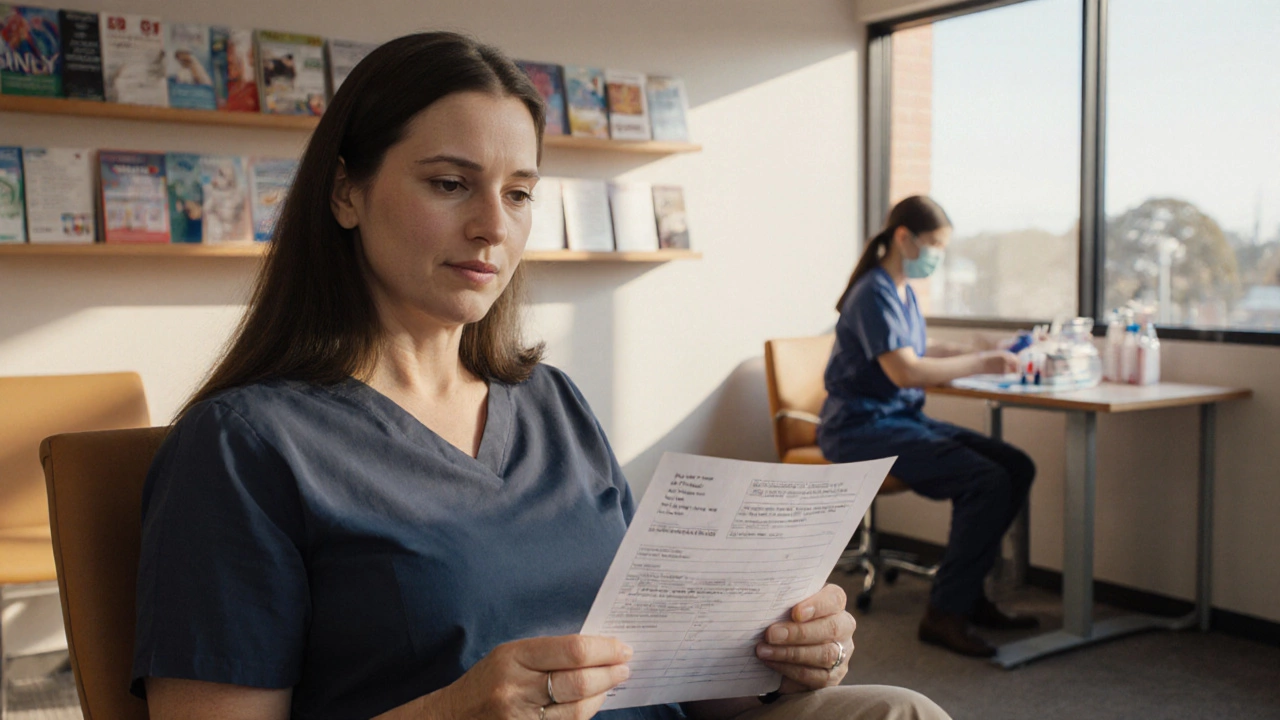
What Blood Tests Should I Get Annually? A Simple Guide for Adults
Know exactly which blood tests to get each year for preventive health. Simple, science-backed advice for Australians to catch hidden issues before they become serious.