Amazon Pharmacy Savings Calculator
Enter your current medication details below to see if switching to Amazon's RxPass program could save you money. This tool focuses on common generic medications covered under the $5/month flat-rate plan.
Estimated Annual Impact
Good DealTraditional Retail
$0.00
per yearAmazon RxPass + Fees
$0.00
per yearProjected Annual Savings
$0.00
($0.00 / month)
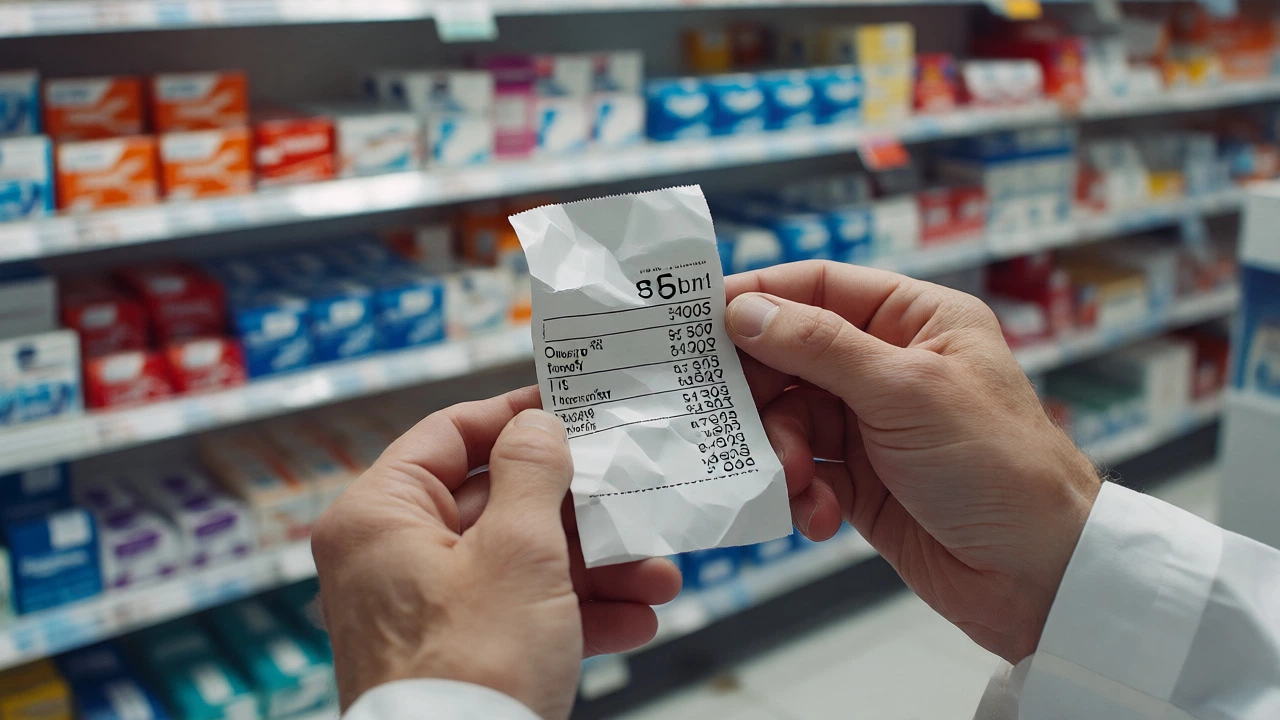
You stare at the receipt from your local CVS or Walgreens, and the number makes you wince. Thirty dollars for a generic blood pressure pill? Forty-five for an antidepressant that costs pennies to manufacture? You start wondering if there’s a better way. Enter Amazon Pharmacy, an online mail-order pharmacy service launched by Amazon in partnership with PillPack. The promise is simple: lower prices, free delivery, and zero hassle. But does it actually save you money, or is it just another subscription trap?
The short answer is: it depends on what you take, how often you take it, and whether you’re willing to switch from your current provider. For many people, especially those managing chronic conditions with generics, Amazon Pharmacy can slash medication costs by 50% or more. For others, particularly those relying on brand-name drugs without insurance coverage, the savings might be negligible. Let’s break down exactly where the money goes and who benefits most.
The Real Cost Breakdown: How Amazon Pharmacy Prices Compare
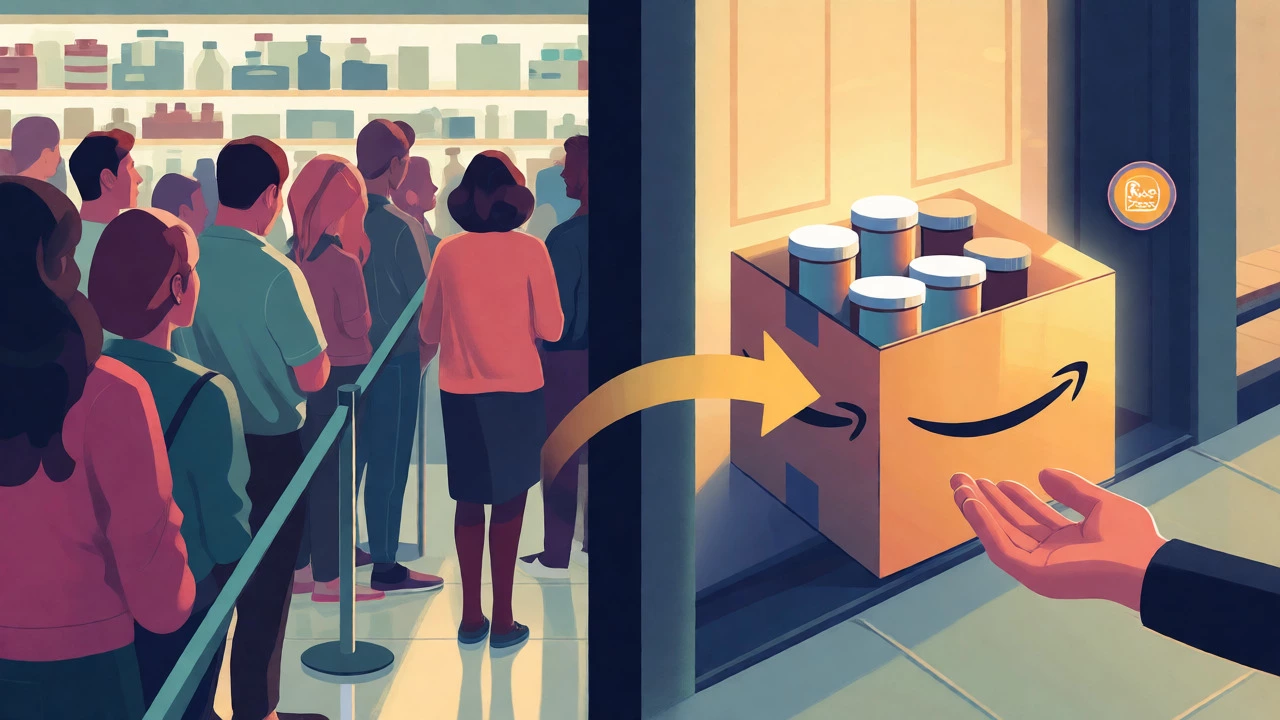
When you buy a prescription at a traditional brick-and-mortar pharmacy, you’re paying for three things: the drug itself, the pharmacist’s expertise, and the overhead of keeping a physical store open (rent, staff, utilities). Amazon cuts out the last part. By operating as a centralized fulfillment center rather than thousands of individual stores, they reduce operational costs significantly.
But here’s the catch: Amazon doesn’t always have the lowest sticker price. They compete on convenience and bundled value. For example, if you have Amazon Prime, you get free two-day shipping on prescriptions. Without Prime, you pay $4.99 per shipment unless you spend over $35. If you only need one bottle of pills every three months, that shipping fee eats into your savings fast.
However, if you use their RxPass, a subscription service offering over 50 common generic medications for a flat $5 monthly fee, the math changes dramatically. Imagine you take metformin for diabetes and lisinopril for blood pressure. Both are on the RxPass list. Instead of paying $15-$20 each at a retail pharmacy, you pay $10 total per month. That’s a potential annual saving of $200-$300 just for those two meds.
| Scenario | Average Retail Price (No Insurance) | Amazon Pharmacy Price | Savings Potential |
|---|---|---|---|
| Generic Statins (e.g., Atorvastatin) | $10-$15/month | $5/month (RxPass) or ~$8 (One-time) | High |
| Brand-Name Inhaler (e.g., Ventolin) | $60-$80/bottle | $55-$75/bottle | Low/Moderate |
| Complex Biologics (e.g., Humira) | $5,000+/month | Similar (Insurance-driven) | Negligible |
| Multiple Generics (3+ meds) | $45-$60/month | $5-$15/month (RxPass) | Very High |
Who Saves the Most? Identifying the Sweet Spot
If you’re thinking about switching, ask yourself these questions first:
- Do you take multiple generic medications? This is the biggest win. The RxPass program covers common generics for cholesterol, blood pressure, acid reflux, depression, and anxiety. If you take two or more of these, the $5-per-drug cap is unbeatable.
- Are you uninsured or underinsured? Amazon Pharmacy offers transparent cash prices. Unlike retail pharmacies that hide discounts behind PBM (Pharmacy Benefit Manager) networks, Amazon shows you the exact cost upfront. Many users report finding cheaper cash prices here than through insurance copays.
- Do you hate waiting in line? Time is money. If you value the 15 minutes saved per refill plus the drive time, factor that into your "cost." For busy professionals or parents, this convenience has real economic value.
Conversely, you might not save much if you rely on specialty drugs, controlled substances (which require stricter handling), or if your insurance plan has a preferred network that excludes Amazon. Always check your formulary before making the jump.
The Hidden Costs and Pitfalls to Watch Out For
It’s not all sunshine and savings. There are friction points that can turn a cheap transaction into a headache.
First, consider the switching cost. Moving prescriptions from a local pharmacy to Amazon requires transferring records. While Amazon handles most of this via electronic transfer, some older systems glitch. You might face a gap in supply if the transfer takes longer than expected. Plan ahead-don’t wait until you’re down to your last two pills.
Second, think about pharmacist access. At a local drugstore, you can walk up and ask, “Can I take this with my other meds?” instantly. With Amazon, you contact a pharmacist via chat or phone. Responses aren’t always immediate. If you have complex drug interactions or frequent questions, the lack of face-to-face interaction might feel isolating. Some users report waiting hours for a callback during peak times.
Third, watch out for shipping delays. While Amazon is known for speed, pharmaceutical logistics are regulated differently. Cold-chain items (like insulin or certain injectables) require special packaging. If a package gets held up in customs (for international sourcing) or weather delays, you could run out of medication. Set up auto-refills 10 days early to buffer against surprises.
How to Maximize Savings with Amazon Pharmacy
If you decide to try it, don’t just sign up blindly. Use these tactics to ensure you’re getting the best deal:
- Compare Cash Prices First: Before using insurance, check the cash price on Amazon Pharmacy. Sometimes, the cash price is lower than your copay. You can still submit a claim later for reimbursement, but often it’s simpler to just pay cash.
- Leverage RxPass Aggressively: Check the full list of eligible drugs. It includes common treatments for type 2 diabetes, high cholesterol, hypertension, and mental health. If you’re taking any of these, subscribe. Cancel anytime if your regimen changes.
- Bundling with Prime: If you’re already a Prime member, you’re halfway there. If not, calculate if the annual Prime fee ($139/year as of 2026) pays for itself in shipping savings alone. For most people buying 4+ prescriptions a year, yes.
- Use GoodRx or SingleCare for Non-Covered Drugs: Amazon Pharmacy accepts coupons. Stack them. Often, you can find a coupon code that beats both Amazon’s listed price and your insurance copay. Test this combo for expensive brand-name drugs.

Is It Safe? Trust and Regulation Concerns
People worry about buying meds online. Is it fake? Is it expired? Amazon Pharmacy is licensed in all 50 states and accredited by URAC (Universal Accreditation Commission). They source directly from manufacturers and authorized wholesalers, similar to major chains like CVS or Walgreens. The risk of counterfeit drugs is virtually zero compared to shady overseas sites.
Privacy is another concern. Does Amazon sell your health data? Their privacy policy states they do not share personal health information with third parties for marketing purposes without consent. However, as part of the broader Amazon ecosystem, your purchase history influences recommendations. If you buy allergy meds, expect ads for nasal sprays. It’s a trade-off: convenience for data transparency.
The Verdict: Should You Switch?
For the average person taking standard generics for chronic conditions, Amazon Pharmacy is likely cheaper and definitely more convenient. The combination of low base prices, RxPass subscriptions, and free shipping creates a compelling financial case. If you’re uninsured, the transparent pricing model is a game-changer.
However, if you take rare specialty drugs, live in a rural area with unreliable mail service, or prefer building a relationship with a local pharmacist, stick with your current provider. The savings might not outweigh the friction.
Try it for one cycle. Transfer one non-critical prescription. See how the process feels. Track the actual cost versus your old pharmacy. Data beats hype. In most cases, the numbers will speak for themselves.
Does Amazon Pharmacy accept all insurance plans?
Amazon Pharmacy accepts most major insurance plans, including Medicare Part D and Medicaid in participating states. However, coverage varies by specific plan. You must enter your insurance details on their website to see real-time copay estimates. If your plan doesn't cover it, you can still use the service by paying the cash price.
What is Amazon RxPass and who qualifies?
Amazon RxPass is a subscription service that provides over 50 common generic medications for a flat fee of $5 per month per drug. It is available to anyone with an Amazon account, regardless of insurance status. It is ideal for people taking multiple generic maintenance medications, such as those for blood pressure, cholesterol, or diabetes.
How long does it take to get medication from Amazon Pharmacy?
Standard shipping typically takes 2-5 business days after the prescription is processed. Processing time can vary from 1 to 3 days depending on the complexity of the prescription and verification needs. Amazon Prime members may qualify for faster shipping options, though medical shipments are subject to regulatory handling times.
Can I return unused medication to Amazon Pharmacy?
Generally, no. Due to safety and regulatory regulations, opened or dispensed prescription medications cannot be returned once they leave the pharmacy. Unopened packages might be eligible for return within a limited window, but policies vary by state and drug type. Always confirm with customer service before attempting a return.
Is it safe to buy prescription drugs from Amazon?
Yes, Amazon Pharmacy is a legitimate, licensed online pharmacy operating in the US. It sources medications from FDA-approved manufacturers and distributors. It is not a marketplace of third-party sellers like general Amazon products; all meds are fulfilled by Amazon's own pharmacy network, ensuring quality control and authenticity.




Write a comment