Ayurvedic Safety & Interaction Checker
Most people picture Ayurveda as a gentle, natural alternative to modern medicine. It is often associated with warm oil massages, calming herbal teas, and a holistic approach to health that has existed for thousands of years. Because it is "natural," many assume it is completely safe. But nature can be potent. Plants contain powerful chemical compounds, and traditional preparations sometimes include minerals or metals. When used incorrectly, these treatments can lead to serious health issues.
If you are considering adding Ayurvedic medicine to your routine, understanding the potential downsides is just as important as knowing the benefits. This isn't about fear-mongering; it is about informed consent. Let's look at what actually happens when things go wrong, why it happens, and how you can protect yourself while still enjoying the benefits of this ancient system.
The Hidden Danger of Heavy Metals
When we talk about side effects of Ayurvedic medicine, the most significant risk involves heavy metals. In traditional Ayurvedic practice, there is a branch called Bhasma preparation. This process involves purifying metals like mercury, lead, and arsenic through heating and mixing them with herbs. The goal is to make these substances bioavailable and non-toxic. However, this process requires immense skill and strict quality control.
The problem arises with unregulated products. Many commercial brands do not follow the rigorous purification standards required by classical texts. As a result, patients may ingest toxic levels of heavy metals. Lead poisoning, for example, can cause abdominal pain, constipation, headaches, irritability, memory problems, infertility, and even high blood pressure. Arsenic exposure can lead to skin changes, diabetes, and cardiovascular disease. Mercury toxicity affects the nervous system, causing tremors, mood swings, and cognitive decline.
You don't need to be an expert to spot red flags. If a product claims to cure chronic conditions instantly or contains vague ingredients listed as "herbal-mineral complexes," proceed with caution. Always look for third-party testing results that confirm the absence of toxic levels of lead, mercury, arsenic, and cadmium.
| Metal | Common Symptoms of Toxicity | Long-term Health Risks |
|---|---|---|
| Lead | Abdominal pain, constipation, headaches, fatigue | Kidney damage, neurological impairment, hypertension |
| Mercury | Tremors, insomnia, mood changes, gingivitis | Nerve damage, kidney failure, developmental issues in children |
| Arsenic | Skin lesions, nausea, vomiting, diarrhea | Skin cancer, lung cancer, cardiovascular disease |
Herb-Drug Interactions: A Silent Threat
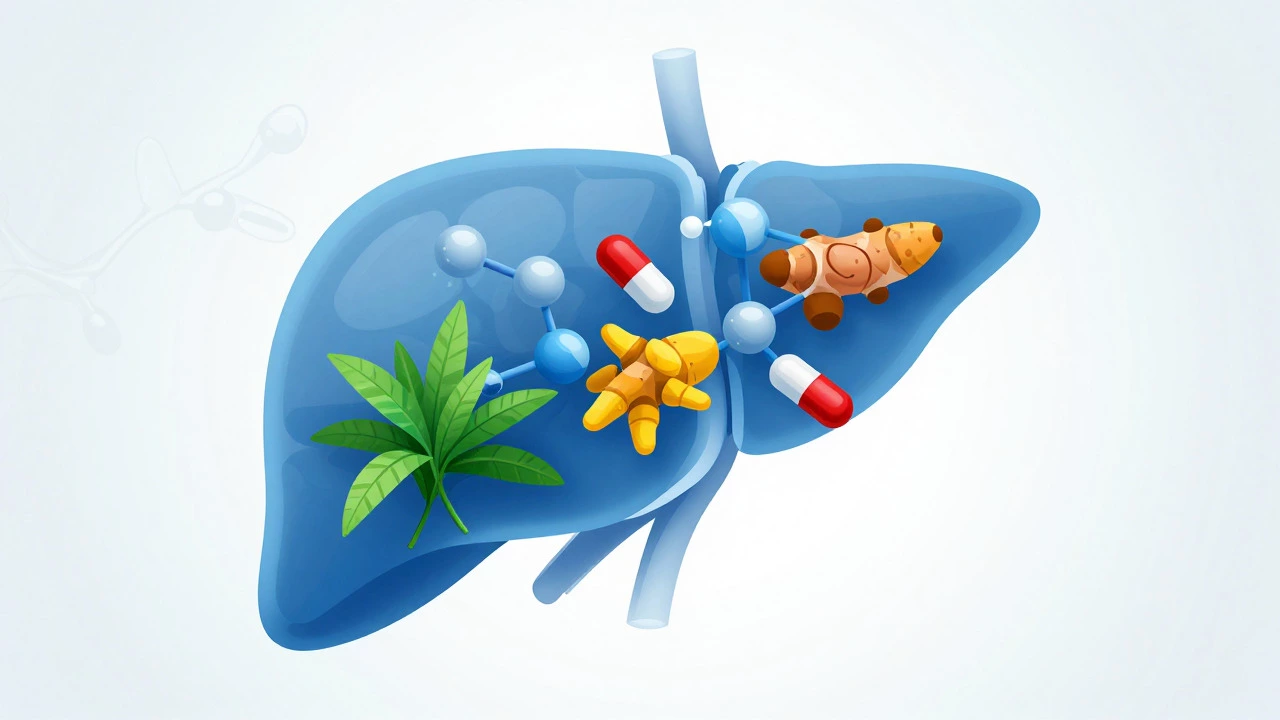
Another major concern is how Ayurvedic herbs interact with prescription medications. Just because something is plant-based doesn't mean it won't affect how your liver processes drugs. Your liver uses enzymes, particularly the Cytochrome P450 family, to break down medications. Certain herbs can either speed up or slow down these enzymes, leading to dangerous fluctuations in drug levels in your blood.
Consider Ashwagandha. It is widely praised for reducing stress and anxiety. However, it can have sedative effects. If you take benzodiazepines or other anti-anxiety medications, combining them with Ashwagandha might cause excessive drowsiness or respiratory depression. Similarly, Turmeric (Curcuma longa) has mild blood-thinning properties. If you are on anticoagulants like warfarin or aspirin, high doses of turmeric supplements could increase your risk of bleeding.
Guggul is another popular herb used for cholesterol management. But it can interfere with oral contraceptives, making them less effective. It also interacts with heart medications and thyroid hormones. The key takeaway? Never assume "natural" means "compatible." Always disclose every supplement you take to your primary care physician or pharmacist.
Gastrointestinal Distress and Allergic Reactions
Not all side effects are life-threatening, but some are certainly uncomfortable. Many Ayurvedic formulations are strong laxatives or diuretics. Herbs like Senna or Castor Oil are commonly used in cleansing protocols. While occasional use might help with constipation, long-term reliance can lead to electrolyte imbalances, dehydration, and dependency where your bowel no longer functions without stimulation.
Allergic reactions are also possible. Ayurvedic medicines often combine multiple herbs into a single paste or tablet. If you have allergies to specific plants, identifying the culprit can be difficult. Symptoms range from mild skin rashes and itching to severe swelling and difficulty breathing. People with pollen allergies should be especially cautious with herbal powders, as cross-reactivity is common.
Risks Associated with Panchakarma
Panchakarma is a set of five detoxification therapies in Ayurveda. These include vomiting, purgation, enemas, nasal administration of medicated oils, and bloodletting. When performed by a skilled practitioner under proper supervision, these procedures can be beneficial. However, they carry inherent risks if done incorrectly.
Vomiting therapy (Vamana) can lead to dehydration, electrolyte imbalance, and esophageal tears if too forceful. Purgation (Virechana) can cause similar issues along with intestinal irritation. Enema therapy (Basti) carries a small risk of colon perforation if the tube is inserted improperly or if pressure is too high. Bloodletting, though rare today, poses risks of infection and excessive blood loss.
The environment matters too. Detox centers vary wildly in hygiene standards. Ensure any facility you visit follows strict sterilization protocols for instruments and maintains clean living quarters. Ask about the qualifications of the therapists performing these procedures. They should have formal training in Ayurvedic medicine, not just a short certification course.
Pregnancy and Special Populations
Certain groups need to exercise extra caution. Pregnant women, for instance, should avoid many Ayurvedic herbs that stimulate uterine contractions. Herbs like Aloe Vera latex, Papaya leaf extract, and certain types of Ginger in large amounts can trigger miscarriage. Even seemingly benign herbs might lack sufficient safety data for use during pregnancy.
Children are another vulnerable group. Their livers and kidneys are still developing, making them more susceptible to toxicity. Adult dosages are rarely appropriate for kids. Always consult a pediatrician before giving any Ayurvedic supplement to a child. Elderly individuals, who often take multiple medications, face higher risks of herb-drug interactions and should monitor their health closely when starting new remedies.

Quality Control and Adulteration Issues
One of the biggest challenges in Ayurvedic medicine today is quality control. Unlike pharmaceutical drugs, which undergo rigorous clinical trials and manufacturing standards, herbal supplements are often regulated as dietary supplements. This means manufacturers aren't required to prove efficacy or safety before selling their products.
Adulteration is a real problem. Some cheaper brands cut costs by replacing expensive herbs with fillers or adding synthetic steroids to boost perceived effectiveness. A study published in the New England Journal of Medicine found that nearly 20% of Ayurvedic products purchased online contained detectable levels of heavy metals. Another issue is misidentification of plant species. Using the wrong part of a plant or a look-alike species can lead to unexpected side effects.
To mitigate this, buy from reputable brands that provide Certificates of Analysis (COA). Look for certifications from organizations like NSF International or USP (United States Pharmacopeia), which test for purity and potency. Avoid buying loose herbs from unknown sources unless you trust the supplier implicitly.
How to Safely Incorporate Ayurveda Into Your Life
Knowing the risks doesn't mean you should avoid Ayurveda entirely. Millions of people benefit from its principles daily. The key is smart integration. Start by consulting a qualified Ayurvedic practitioner who understands both traditional wisdom and modern medical science. They can tailor recommendations to your unique constitution (Dosha) and health history.
Introduce one herb at a time. This way, if you experience a side effect, you know exactly what caused it. Keep a journal of how you feel after taking each supplement. Monitor your energy levels, digestion, sleep quality, and mood. If you notice negative changes, stop the supplement and consult your healthcare provider.
Don't replace prescribed medications with Ayurvedic remedies without medical advice. Conditions like diabetes, hypertension, and thyroid disorders require careful monitoring. Herbal support can complement conventional treatment, but abrupt discontinuation of prescribed drugs can be dangerous.
Frequently Asked Questions
Are Ayurvedic medicines generally safe?
Many Ayurvedic herbs are safe when used correctly and sourced from reputable manufacturers. However, risks exist due to heavy metal contamination, herb-drug interactions, and improper dosage. Safety depends heavily on product quality and individual health conditions.
Can Ayurveda cause liver damage?
Yes, in rare cases. Some herbs can be hepatotoxic (liver-damaging) if taken in high doses or for prolonged periods. Heavy metal contamination is another cause. Symptoms include jaundice, dark urine, and abdominal pain. Regular liver function tests are advisable if using herbs long-term.
Is it safe to take Ayurveda with prescription drugs?
It can be, but caution is needed. Many herbs interact with common medications like blood thinners, antidepressants, and diabetes drugs. Always inform your doctor about all supplements you take to avoid dangerous interactions.
What are the signs of heavy metal poisoning from Ayurvedic products?
Signs vary by metal but may include persistent stomach pain, constipation, metallic taste in mouth, weakness, numbness in extremities, and memory problems. If you suspect exposure, seek medical attention immediately for blood tests.
How can I ensure my Ayurvedic products are pure?
Choose brands that offer third-party testing for heavy metals and pesticides. Look for certifications from NSF, USP, or ConsumerLab. Avoid products with vague ingredient lists or those claiming miraculous cures.
Is Panchakarma safe for everyone?
No. Panchakarma involves intense detoxification and may not be suitable for pregnant women, the elderly, or those with weak constitutions. It should only be performed under the guidance of a trained Ayurvedic doctor in a hygienic setting.
Can Ayurvedic herbs cause allergic reactions?
Yes. Like any plant material, Ayurvedic herbs can trigger allergies. Symptoms include rash, itching, swelling, and difficulty breathing. Discontinue use immediately if you suspect an allergic reaction.
Do I need a license to practice Ayurveda?
Regulations vary by country and state. In many places, practicing Ayurvedic medicine legally requires formal education and licensure. Always verify your practitioner's credentials to ensure they meet local legal and professional standards.




Write a comment