
Vitamin Timing Optimizer
Select the supplements you take, and we'll build a personalized daily schedule that maximizes absorption and minimizes conflicts.
Step 1: Select Your Supplements
Click on each supplement you currently take (or want to take):
Your Personalized Supplement Schedule
💡 Pro Tips for Your Stack:
You wake up, pour your coffee, and stare at the pile of bottles on the counter. There’s the morning multivitamin, a separate Vitamin D capsule, an Omega-3 fish oil softgel, a B-complex for energy, and maybe a Magnesium pill to help you relax later. The question hits you: do I swallow them all right now, or is this a recipe for disaster?
The short answer is yes, you can physically take five different vitamins at once. Your stomach will process them. But "can" doesn't mean "should." Swallowing five distinct supplements simultaneously might lead to poor absorption, wasted money, or unnecessary side effects like nausea. It depends entirely on vitamin absorption dynamics and how these nutrients interact with each other.
Is it safe to take multiple vitamins together?
Yes, it is generally safe to take multiple vitamins together for most healthy adults. However, safety does not equal efficiency. Certain combinations compete for absorption in the gut, meaning you might pay for nutrients your body never actually uses. Additionally, taking high doses of fat-soluble vitamins without food can cause gastrointestinal distress.
Understanding How Your Body Processes Nutrients
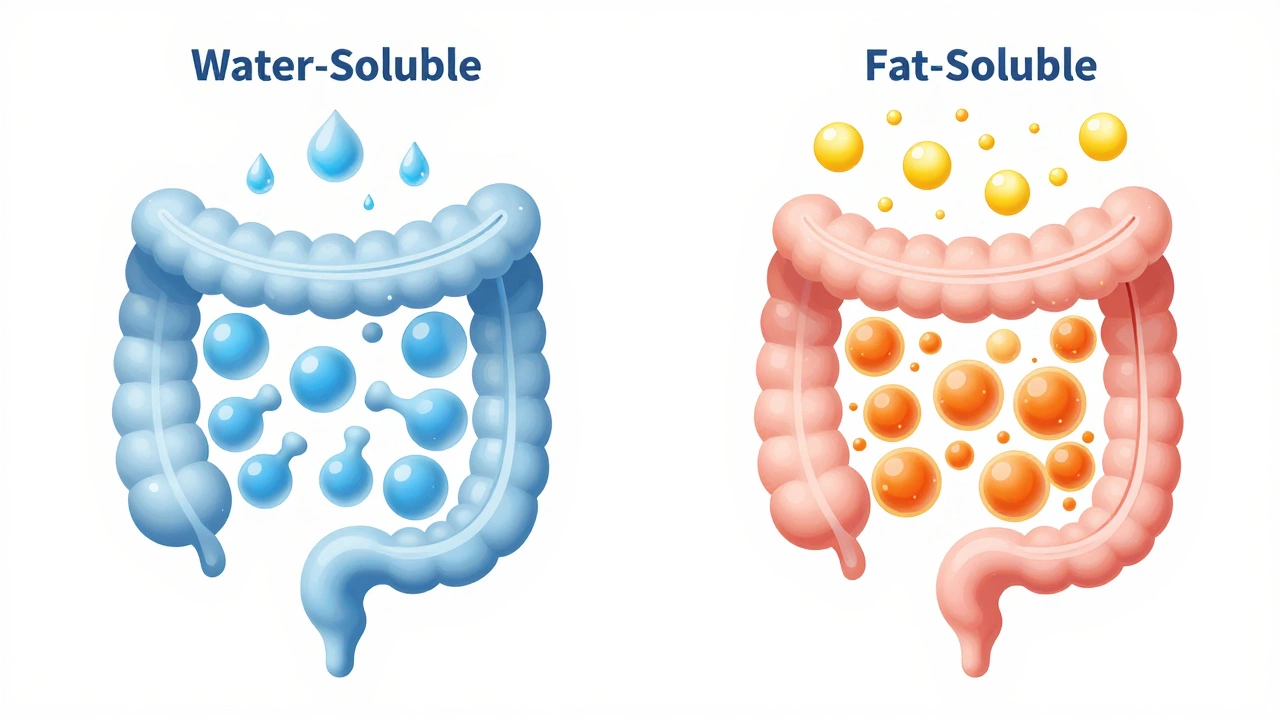
To figure out the best way to take your supplements, you need to understand the two main categories of vitamins: water-soluble and fat-soluble. This distinction dictates everything from when you take them to whether they need food to work.
Water-soluble vitamins are nutrients that dissolve in water and are easily excreted by the body if taken in excess. This group includes Vitamin C and the entire B-vitamin complex (B1, B2, B3, B5, B6, B7, B9, and B12). Because your body doesn’t store these in large amounts, you need a steady supply. They absorb quickly and don't require fat to pass through your intestinal wall.
In contrast, Fat-soluble vitamins are vitamins that require dietary fat for proper absorption and are stored in the body's liver and fatty tissues. These include Vitamins A, D, E, and K. If you take Vitamin D on an empty stomach with just black coffee, you are essentially flushing money down the toilet. Without fat present in your digestive system, these vitamins cannot be absorbed effectively.
Then there are minerals. Minerals like Calcium, Iron, Zinc, and Magnesium operate on their own set of rules. They often compete with each other for absorption pathways. For example, Calcium and Iron are rivals. If you take a high-dose Calcium supplement at the same time as an Iron supplement, the Calcium will block the Iron from entering your bloodstream. You end up with neither benefit fully realized.
The Problem with "Piggybacking" Supplements
Why do people take five pills at once? Convenience. Life is busy. But here is the hidden cost of convenience: competitive inhibition. Your intestines have limited transporters-tiny protein channels that move nutrients into your blood. When you flood the system with five different compounds, some get left behind.
Consider Zinc and Copper. These two minerals share similar absorption mechanisms. If you take a high dose of Zinc daily without balancing it with Copper, you can eventually develop a Copper deficiency. Symptoms include fatigue, anemia, and neurological issues. Taking them together isn't necessarily bad, but the ratio matters. Most multivitamins balance this, but if you are adding extra Zinc powder or pills on top of a multi, you risk tipping the scale.
Another common clash involves Calcium and Magnesium. While many people take them together for bone health, high doses of one can inhibit the absorption of the other. If you are taking a dedicated Calcium carbonate supplement and a Magnesium glycinate supplement, spacing them out by two hours ensures both are utilized efficiently.
Strategic Timing: Building Your Supplement Schedule
Instead of dumping everything into one handful, try splitting your regimen into two or three windows. This approach maximizes absorption and minimizes stomach upset. Here is a practical framework based on how your body functions throughout the day.
| Supplement Type | Best Time to Take | Key Reason |
|---|---|---|
| Vitamin D + K2 | Morning with breakfast | Requires fat; supports circadian rhythm |
| B-Complex | Morning or early afternoon | Boosts energy; may disrupt sleep if taken late |
| Omega-3 Fish Oil | With largest meal | Reduces fishy aftertaste; requires fat for absorption |
| Iron | Empty stomach or with Vitamin C | Absorbed best alone; blocked by Calcium/Coffee |
| Magnesium | Evening before bed | Promotes muscle relaxation and sleep quality |
| Zinc | With food | Prevents nausea; avoid taking with Iron/Calcium |
Sample Daily Routine for Five Supplements
Let’s say you want to take Vitamin D, B-Complex, Omega-3, Magnesium, and Zinc. Here is how you could structure your day to get the most out of each:
- Morning Breakfast (with fat): Take your Vitamin D and Omega-3. Since breakfast likely contains eggs, avocado, or yogurt, you provide the necessary fat for Vitamin D absorption. The Omega-3 also absorbs better with food and reduces the chance of acid reflux.
- Mid-Morning or Lunch: Take your B-Complex. B vitamins play a crucial role in converting food into energy. Taking them earlier in the day helps sustain alertness without interfering with your sleep cycle later.
- Dinner: Take your Zinc. Zinc is best taken with a meal to prevent nausea. Ensure this meal does not contain high amounts of dairy (Calcium) or iron-rich meats if you are also taking an Iron supplement separately.
- Before Bed: Take your Magnesium. Many forms of magnesium, such as Magnesium Glycinate, have a calming effect on the nervous system. Taking it an hour before sleep can improve sleep quality and reduce nighttime muscle cramps.
This schedule separates the competitors. Calcium (if in your dinner) stays away from Iron (if you were taking it). Magnesium is isolated from heavy mineral loads during the day. Vitamin D gets its required fat partner.
Special Considerations: Food and Drink Interactions
It’s not just about what you take with your vitamins; it’s what you avoid. Certain beverages and foods act as antagonists, blocking nutrient uptake regardless of your timing strategy.
Caffeine and tannins found in coffee and tea are notorious for binding to Iron and Calcium. If you take an Iron supplement with your morning latte, you may absorb less than 50% of the intended dose. Wait at least one hour after drinking coffee before taking Iron or Calcium supplements.
Alcohol can deplete B vitamins, particularly Thiamine (B1) and Folate (B9). If you consume alcohol regularly, your body’s demand for these water-soluble vitamins increases. Taking a B-complex is smart, but ensure it is timed correctly to support metabolic processes rather than just being washed out.
High-fiber diets can also interfere with mineral absorption. Fiber binds to minerals like Zinc and Iron in the digestive tract, pulling them out before they enter the bloodstream. If you eat a very high-fiber diet, consider taking mineral supplements between meals rather than with them.

When One Pill Is Better Than Five
Before you commit to a complex schedule, ask yourself if you actually need five separate bottles. Modern multivitamins are formulated to provide balanced doses of essential nutrients. If your diet is relatively varied, a high-quality multivitamin might cover your bases for Vitamins A, C, D, E, K, and most B vitamins.
Targeted supplementation is usually reserved for specific deficiencies or needs. For example, if you are vegan, you likely need a standalone B12 supplement because plant-based diets rarely provide adequate amounts. If you live in a northern latitude with limited sunlight, a dedicated Vitamin D3 supplement is wise. But if you are already taking a comprehensive multi, adding separate B-vitamins or Vitamin C might be redundant and simply result in expensive urine.
Check the labels. Look for the % Daily Value (%DV). If your multivitamin provides 100% DV of Vitamin C and you add another 500mg pill, you aren't getting supercharged benefits. Your body excretes the excess. Save your money and simplify your routine.
Safety First: Consult Your Healthcare Provider
While vitamins are sold over the counter, they are biologically active compounds. "Natural" does not mean harmless. High doses of fat-soluble vitamins can accumulate in your liver and cause toxicity. Vitamin A toxicity, for instance, can lead to liver damage and bone pain. Vitamin D toxicity can cause dangerous levels of calcium in the blood (hypercalcemia).
If you are taking prescription medications, the interaction risks increase significantly. St. John’s Wort, a popular herbal supplement for mood, interacts with dozens of medications, including antidepressants, birth control pills, and blood thinners. Garlic supplements can increase bleeding risk when taken with anticoagulants like Warfarin.
Always disclose your full supplement list to your doctor or pharmacist. They can check for drug-supplement interactions that you might not find online. Blood tests can also reveal whether you actually have a deficiency. Guessing your needs based on trends or marketing claims is less effective than testing your levels.
Troubleshooting Common Issues
If you experience nausea, headaches, or digestive discomfort after starting a new supplement routine, consider these adjustments:
- Nausea: Often caused by Zinc or Iron on an empty stomach. Move these to a larger meal.
- Jitteriness or Insomnia: Likely due to B vitamins or Vitamin D taken too late in the day. Shift them to morning intake.
- Constipation: Can be a side effect of Calcium Carbonate or Iron. Switch to Calcium Citrate or Ferrous Bisglycinate, which are gentler on the gut. Increase water intake.
- Fishy Burps: Caused by low-quality Omega-3s. Freeze your fish oil capsules or switch to a enteric-coated version that dissolves in the intestine, not the stomach.
Taking five different vitamins at once is convenient but suboptimal. By understanding absorption principles, separating competing nutrients, and aligning intake with your body’s natural rhythms, you can transform a chaotic pill burden into a strategic health investment. Start small, listen to your body, and prioritize quality over quantity.
What happens if I take too many vitamins at once?
Taking too many vitamins at once can lead to gastrointestinal issues like nausea, diarrhea, or stomach cramps. More seriously, certain minerals compete for absorption, so you may waste money as your body fails to utilize the nutrients. In extreme cases, megadoses of fat-soluble vitamins can lead to toxicity over time.
Can I take Vitamin D and Calcium together?
Yes, Vitamin D and Calcium work synergistically. Vitamin D enhances the body's ability to absorb Calcium. Taking them together is actually beneficial for bone health. Just ensure you take them with a meal containing some fat to aid Vitamin D absorption.
Should I take my vitamins with water or juice?
Water is generally the best choice for swallowing pills. Avoid orange juice or other acidic drinks with certain medications or sensitive stomachs. Grapefruit juice should be avoided entirely with many supplements and medications as it interferes with liver enzymes that process substances.
Is it better to take vitamins in the morning or evening?
It depends on the vitamin. Energy-boosting vitamins like B-complex and Vitamin D are best taken in the morning. Relaxing minerals like Magnesium are ideal for the evening. Fat-soluble vitamins should be taken with your largest meal, whenever that occurs.
Do herbal supplements interact with vitamins?
Yes, herbal supplements can interact with vitamins and medications. For example, St. John's Wort can reduce the effectiveness of various drugs and supplements. Ginseng may interact with blood thinners. Always research specific interactions or consult a healthcare provider before combining herbs with your vitamin regimen.



Write a comment