Herb-Drug Interaction Checker
Interaction Analysis
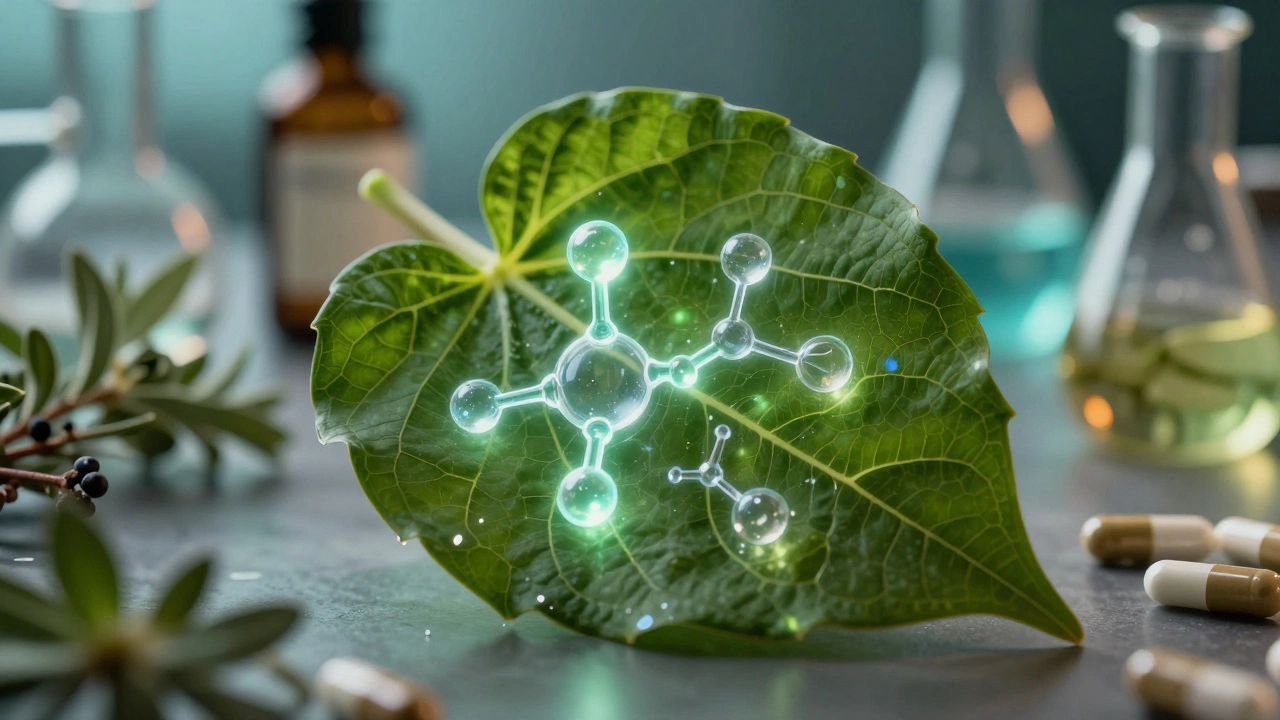
You might think that because something comes from the earth, it's automatically safe. But here is the truth: plants are complex chemical factories. When you mix two different herbs, or a plant-based supplement with a prescription pill, you aren't just mixing "natural" ingredients-you're mixing active pharmacological compounds. Some of these combinations act like a volume knob, cranking up the effects of a drug to dangerous levels, while others act like a mute button, canceling out the medicine you actually need to survive.
Key Safety Takeaways
- Blood Thinners + Blood-Boosting Herbs: Combining anticoagulants with herbs like garlic or ginger can lead to internal bruising or uncontrolled bleeding.
- Sedative Stacking: Mixing Valerian or Kava with benzodiazepines can slow your breathing to dangerous levels.
- Liver Stress: Some herbs, like Kava or Comfrey, can cause liver toxicity if taken with other hepatotoxic substances.
- Blood Sugar Crashes: Pairing Cinnamon or Fenugreek with insulin can cause hypoglycemia (dangerously low blood sugar).
The Danger of "Stacking" Blood Thinners
One of the most common and risky mistakes is mixing herbs that affect how your blood clots. If you are taking a medication like Warfarin or aspirin, you have to be incredibly careful. Garlic, when taken in concentrated supplement form, doesn't just flavor your food; it acts as an antiplatelet agent. This means it makes your blood "slippery."
If you add Ginkgo Biloba into the mix, you're adding another layer of blood-thinning activity. In a real-world scenario, a person taking a blood thinner who starts a high-dose Ginkgo regimen for memory might find that a simple paper cut takes forever to stop bleeding, or worse, they develop spontaneous bruising. The risk here isn't just a bruise; it's the potential for a hemorrhagic stroke if the blood becomes too thin to clot where it's needed.
The Sedation Trap: Sleep Aids and Anxiety Herbs
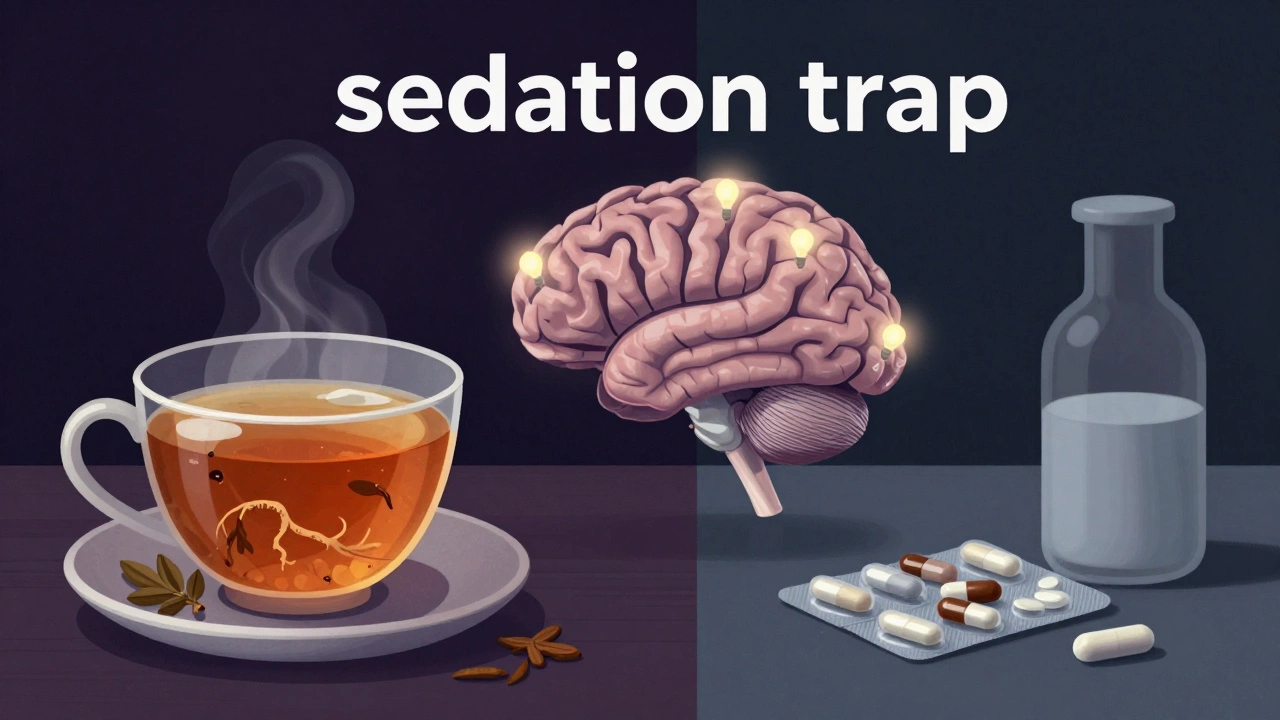
When people can't sleep or feel anxious, they often reach for Valerian Root or Kava Kava. These work by interacting with GABA receptors in the brain, which are the same targets used by pharmaceutical sedatives like Xanax or Valium.
If you combine these, you're essentially double-dosing your central nervous system. This creates a synergistic effect, which sounds good in theory but is terrifying in practice. You might experience extreme lethargy, slurred speech, or a dangerous drop in respiratory rate. I've seen cases where a person takes a mild herbal tea for sleep, unaware that their prescription medication is already doing the heavy lifting, leading to a level of sedation that makes it impossible for them to wake up in an emergency.
Blood Sugar Balancing and the Risk of Hypoglycemia
Many people use herbs to manage their glucose levels. Cinnamon and Fenugreek are popular for this. However, if you are already on Metformin or taking insulin injections, these herbs can push your blood sugar too low.
This is called hypoglycemia. You might start feeling shaky, sweaty, and confused. While one cinnamon sprinkle on oatmeal isn't the issue, a 500mg concentrated supplement can significantly increase insulin sensitivity. When the herb and the drug work together too well, your brain is deprived of the glucose it needs to function, which can lead to fainting or a diabetic coma.
| Herb | Avoid Mixing With | Potential Outcome | Risk Level |
|---|---|---|---|
| St. John's Wort | SSRIs / Birth Control | Serotonin Syndrome / Reduced Pill Efficacy | High |
| Ginkgo Biloba | Anticoagulants | Increased Bleeding Risk | High |
| Kava Kava | Alcohol / Benzos | Extreme Sedation / Liver Damage | Medium-High |
| Goldenseal | Blood Pressure Meds | Altered Drug Absorption | Medium |
The St. John's Wort Problem: The Enzyme Accelerator
If there is one herb that pharmacists dread, it is St. John's Wort. Unlike other herbs that just "add" an effect, this plant acts on the Cytochrome P450 enzyme system in your liver. Think of these enzymes as the "trash collectors" that remove drugs from your system.
St. John's Wort tells the liver to work overtime, clearing drugs out of your body much faster than normal. If you're taking birth control pills or HIV medications, this herb can essentially "erase" the medicine before it ever gets a chance to work. You might think you're protected or treating a condition, but in reality, the herb is sabotaging the drug. Conversely, if you mix it with antidepressants (SSRIs), you can get too much serotonin, leading to herb drug interactions known as Serotonin Syndrome, which causes agitation, high fever, and tremors.
Liver Toxicity and Hepatotoxic Herbs
Your liver is the primary filter for everything you ingest. Some herbs are simply too hard on the liver when combined with other substances. For example, Comfrey contains pyrrolizidine alkaloids, which can cause severe liver vein blockage.
When you combine a hepatotoxic herb with alcohol or acetaminophen (Tylenol), you are putting your liver in a vice grip. The liver tries to process the alcohol, the medication, and the herbal toxins all at once. This can lead to acute liver failure. If you notice a yellowing of the eyes or skin (jaundice), it is a sign that your current supplement stack is overwhelming your organ's capacity to detoxify.
How to Safely Build Your Supplement Routine
You don't have to stop using herbs, but you do need a system. First, never start three new supplements at once. If you have a bad reaction, you'll have no idea which one caused it. Introduce one herb every two weeks and monitor how you feel.
Second, keep a "Supplement Log." List the exact dose and the brand. Some brands use proprietary blends that hide the actual amount of the herb, making it impossible for a doctor to know what you're actually taking. Be honest with your healthcare provider; they aren't there to judge your interest in natural health, but they do need to know if your "natural" remedy is fighting your prescription.
Can I take two different herbs if they both treat the same thing?
Not necessarily. If you take two herbs that both lower blood pressure, you could end up with hypotension, leading to dizziness or fainting. It's better to use one primary herb and check with a professional before adding a second one with similar properties.
Is it safe to take herbs with a multivitamin?
Generally, yes, but be careful with minerals. For example, calcium or iron supplements can bind to certain herbal extracts in the gut, preventing your body from absorbing either one. It's usually best to take vitamins and herbs at different times of the day.
Do "natural" labels mean there are no interactions?
Absolutely not. "Natural" refers to the source, not the safety. Many of the most potent medicines in the world (like digoxin) come from plants. They have strong chemical properties that interact with human biology and other drugs.
What should I do if I suspect a bad interaction?
Stop taking the supplements immediately and contact your doctor. Note the exact time the symptoms started and which herbs were taken. If you experience difficulty breathing or swelling of the face, seek emergency care immediately as this could be an allergic reaction.
Are there any herbs that are safe to mix with almost everything?
Culinary herbs used in normal food amounts (like basil or oregano) are generally safe. However, once you move into concentrated extracts, teas, or capsules, the rules change because the dose is significantly higher than what you'd get in a meal.
Next Steps for Your Wellness Journey
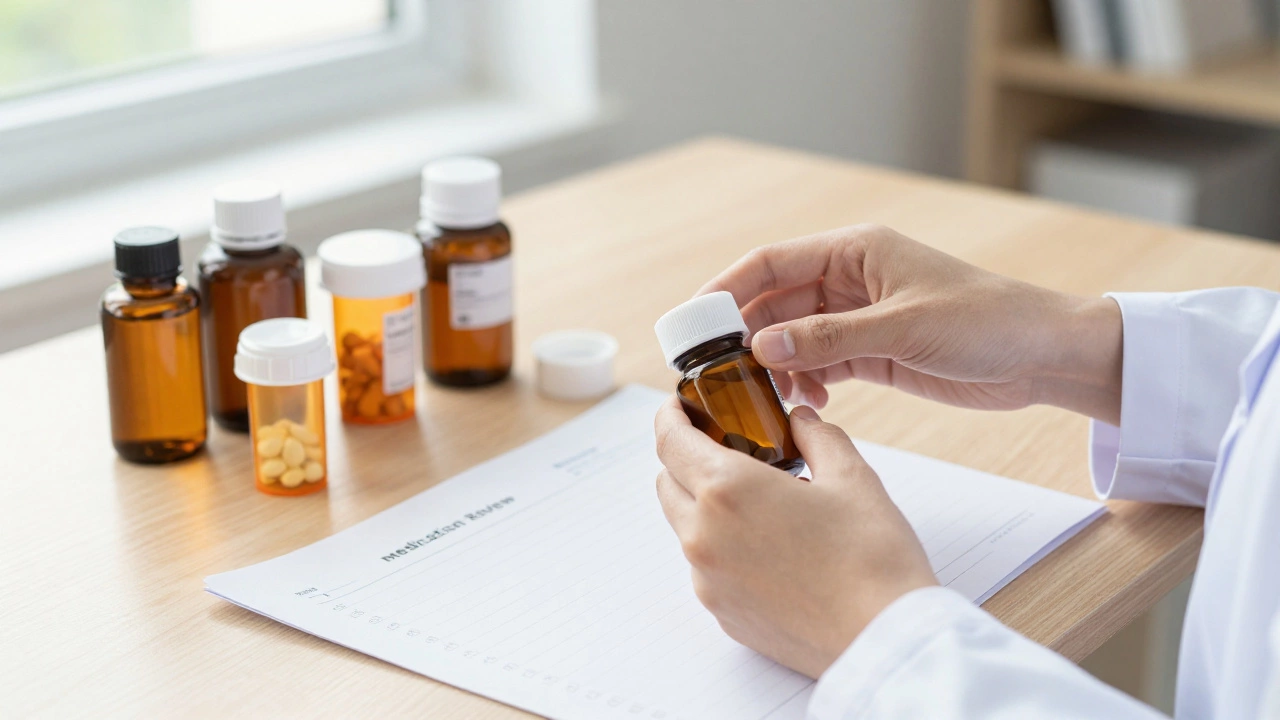
If you are currently taking a mix of herbs and medications, your first step should be a "medication review." Take all your bottles to your pharmacist. They are the real experts on chemistry and can tell you exactly which of your supplements are clashing.
For those starting from scratch, focus on one goal at a time. Don't try to fix your sleep, your digestion, and your joint pain all in the same week with three different herbal regimens. Give your body time to adjust and your doctor time to monitor your blood work. Safety in herbalism isn't about avoiding plants-it's about respecting their power.



Write a comment