Ayurvedic Cleanse Personalizer
Select the description that best matches your natural constitution to generate your custom cleanse plan.
Vata (Air)
- • Thin, slender build
- • Dry skin, prone to constipation
- • Irregular appetite/sleep
- • Creative, energetic but anxious
Pitta (Fire)
- • Medium, muscular build
- • Sensitive, warm skin; acne-prone
- • Strong appetite, sharp digestion
- • Intense, focused, irritable
Kapha (Water/Earth)
- • Large, heavy bone structure
- • Oily skin, hair; slow metabolism
- • Steady appetite, sluggish digestion
- • Calm, loving, resistant to change
Your Personalized Plan
Step-by-Step Schedule
Feeling sluggish? Maybe your digestion is off, or you just can't shake that heavy, tired feeling no matter how much sleep you get. In the world of Ayurvedic medicine, which is an ancient Indian system of holistic healing focused on balancing body energies, this isn't just "stress." It's often a sign of accumulated toxins, known as Ama, which is undigested metabolic waste that clogs the body's channels. An Ayurvedic cleanse isn't about starving yourself for a week. It’s a structured process to reset your Doshas, which are the three biological humors-Vata, Pitta, and Kapha-that govern your physiology.
If you've tried juice cleanses before, you know they can leave you shaky and hungry. Ayurveda takes a different approach. Instead of stripping nutrients away, it uses specific foods, herbs, and routines to gently coax out impurities while nourishing the body. This guide will walk you through exactly how to do an Ayurvedic cleanse at home, safely and effectively.
The Core Principle: Why You Need a Cleanse
Before jumping into steps, it helps to understand what you're actually doing. In Western medicine, "detox" often implies removing external chemicals. In Ayurveda, the goal is internal balance. When your digestive fire, or Agni, which is the metabolic energy responsible for breaking down food and emotions, is weak, food doesn't digest properly. That undigested matter turns into Ama. Over time, Ama sticks to your tissues, blocking energy flow and leading to inflammation, fatigue, and skin issues.
An Ayurvedic cleanse aims to:
- Ignite Agni: Strengthen your ability to digest food and experiences.
- Dissolve Ama: Loosen the toxic buildup in your gut and tissues.
- Purify Channels: Clear the pathways so nutrients can reach your cells efficiently.
This isn't a quick fix. It’s a reset button for your metabolism. Most people feel lighter, clearer-headed, and more energetic within a few days, but the real benefits compound over weeks as your body relearns how to process food efficiently.
Preparation: The Snehana (Oiling) Phase
You can’t clean a dirty house by just sweeping the surface; you need to loosen the grime first. In Ayurveda, this loosening process is called Snehana, which is the therapeutic use of oils to mobilize toxins from deep tissues. Without this step, trying to purge toxins can irritate your system rather than help it.
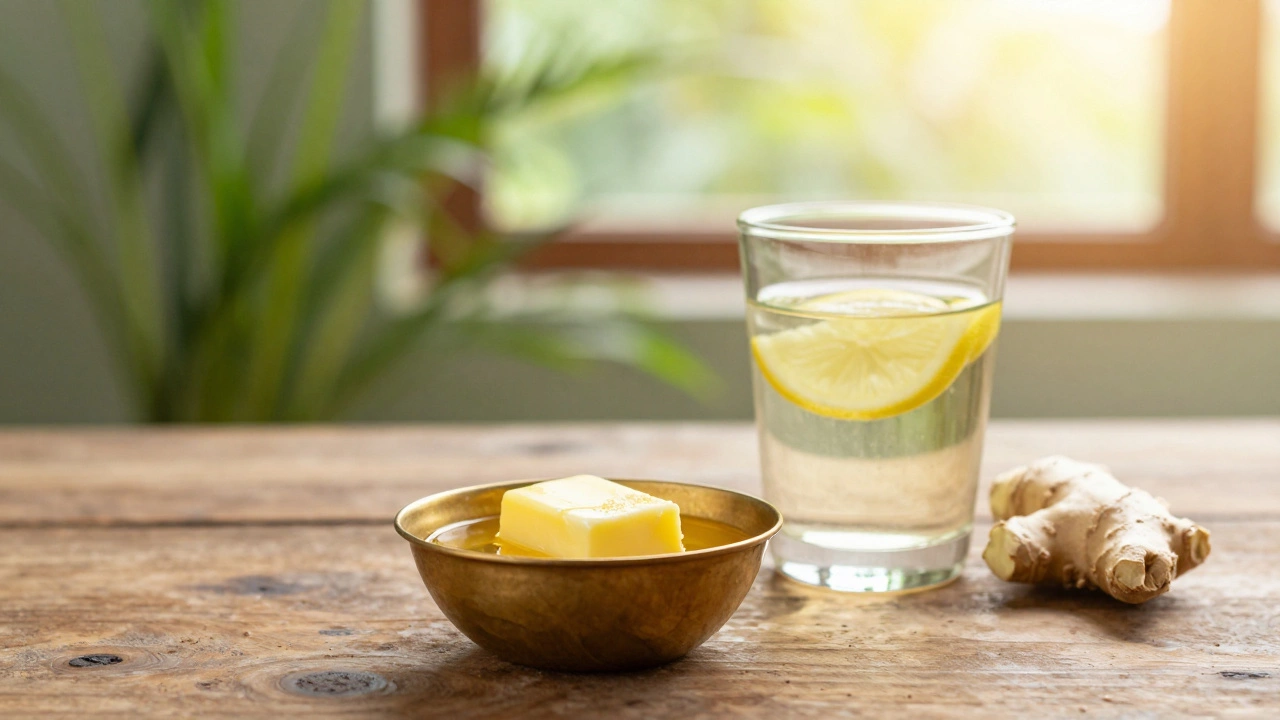
For a home cleanse, you don't need complex procedures. Start with internal oleation. Drink one tablespoon of warm Ghee, which is clarified butter used extensively in Ayurveda for its medicinal properties on an empty stomach every morning for three to five days. If you have high blood pressure or heart concerns, skip the ghee and use warm water with lemon instead.
Simultaneously, practice external oleation. Before showering, massage your entire body with warm oil. Use sesame oil if you feel cold or stiff (Vata imbalance), coconut oil if you run hot or have skin issues (Pitta imbalance), or almond oil if you feel sluggish or congested (Kapha imbalance). Leave the oil on for 15-20 minutes, then wash it off with warm water. This softens the skin and prepares the lymphatic system to move toxins toward the elimination organs.
Phase One: Lightening the Load (Langhana)
Once you’ve oiled up, it’s time to lighten your digestive burden. This phase is called Langhana, which is the process of reducing the volume of food intake to rest the digestive system. For the next three to seven days, switch to a monodiet or a very simple diet.
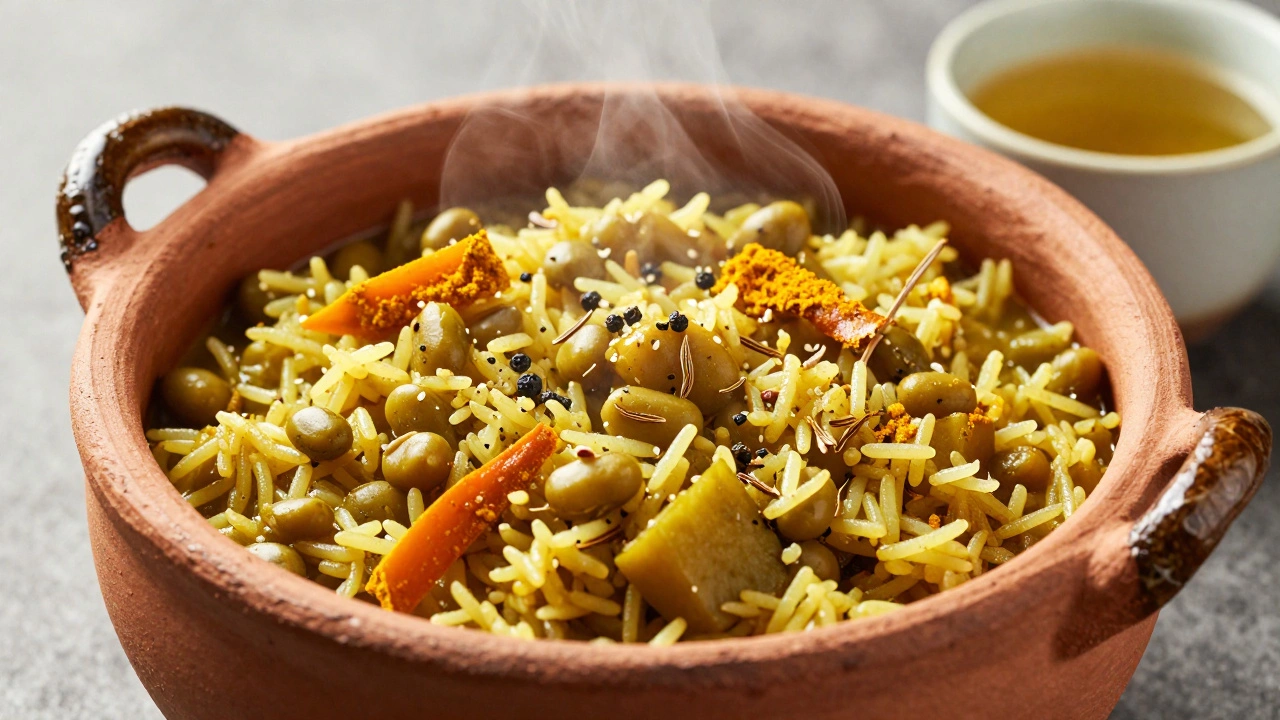
The gold standard here is Kitchari, which is a dish made from mung beans and rice, considered easily digestible and cleansing. Mung beans are light, protein-rich, and don’t create heavy residue. Rice provides grounding energy. Cook them together with turmeric, cumin, ginger, and black pepper. These spices aren’t just for flavor; they stimulate Agni and reduce gas.
Eat only Kitchari for breakfast and lunch. For dinner, have a small portion of steamed vegetables like zucchini, carrots, or spinach. Avoid:
- Dairy: Except for small amounts of ghee.
- Meat and Fish: Too heavy for the digestive system during cleansing.
- Raw Salads: Raw foods require more energy to digest and can aggravate Vata.
- Caffeine and Alcohol: Both dehydrate and stress the liver.
Drink plenty of warm water throughout the day. Cold water extinguishes Agni, making digestion slower. Sip warm water with a slice of fresh ginger to keep the metabolic fire burning steadily.
Phase Two: Herbs and Teas for Support
While eating lightly, support your body with herbal teas. These aren’t magic potions, but they provide gentle pharmacological support to your liver and kidneys.
Triphala, which is a blend of three fruits-Amalaki, Bibhitaki, and Haritaki-used to balance all Doshas, is the cornerstone of any Ayurvedic cleanse. Take half a teaspoon of Triphala powder in warm water before bed. It acts as a mild laxative and antioxidant, helping to clear the colon without causing dependency. Unlike harsh Western laxatives, Triphala tones the intestinal lining.
During the day, sip on Ginger Tea, which is a simple infusion of fresh ginger root that stimulates digestion and circulation. Add a pinch of cinnamon if you feel cold, or mint if you feel bloated. These herbs work synergistically with your diet to ensure that whatever food you do eat is fully assimilated.
Phase Three: Gentle Elimination (Purana)
After several days of light eating and oiling, your body is ready to release the toxins. This is the purgation phase. At home, we avoid strong emetics or enemas unless supervised by a practitioner. Instead, we rely on natural elimination.
Increase your fiber intake slightly by adding cooked leafy greens to your Kitchari. Continue taking Triphala. Pay attention to your bowel movements. They should become regular, formed, and easy to pass. If you experience diarrhea, stop the Triphala and eat more rice. If you’re constipated, add a spoonful of warm honey to your morning water.
This phase usually lasts two to four days. You might notice changes in your skin, breath, or mood. This is normal. Your body is processing old material. Don’t judge yourself if you feel irritable or tired; this is part of the healing crisis. Rest more. Sleep earlier.

Reintegration: Eating Wisely After the Cleanse
The cleanse isn’t over when you stop eating Kitchari. How you reintroduce food determines whether the benefits last or vanish in a week. Your digestive fire is now sensitive and strong. Don’t shock it with a pizza party.
Start by adding one new food group every two days. First, introduce cooked vegetables. Then, add legumes like lentils. Finally, after a week, you can reintroduce dairy or grains like wheat. Keep meals warm, moist, and freshly cooked. Avoid leftovers, as they accumulate Ama quickly.
Maintain the habits you built: drink warm water, eat at regular times, and chew thoroughly. These small changes prevent Ama from building up again.
| Feature | Ayurvedic Cleanse | Western Juice Cleanse |
|---|---|---|
| Primary Goal | Balance Doshas and ignite Agni | Calorie restriction and vitamin boost |
| Food Type | Warm, cooked, spiced meals (Kitchari) | Cold, raw liquids (juices/smoothies) |
| Digestion Impact | Strengthens digestive fire | Can weaken digestion due to lack of fiber/fat |
| Duration | 7-21 days, gradual reintegration | 1-3 days, abrupt return to normal diet |
| Safety | High, adaptable to individual constitution | Low risk of nutrient deficiency and blood sugar spikes |
Common Mistakes to Avoid
Even with the best intentions, people mess up their cleanses. Here’s what not to do:
- Don’t Fast Completely: Ayurveda rarely recommends total fasting for beginners. It can increase Vata and cause anxiety. Eat light, but eat.
- Don’t Ignore Your Body: If you feel dizzy, weak, or excessively cold, stop the cleanse. Eat a banana or some warm soup. Listen to your signals.
- Don’t Skip the Oil: Skipping Snehana makes the cleanse dry and irritating. Your joints and skin need lubrication.
- Don’t Rush Reintegration: Going back to heavy, processed foods immediately negates all the work. Give your body time to adjust.
Remember, an Ayurvedic cleanse is a personal journey. What works for your friend might not work for you. Adjust the duration and intensity based on your energy levels and daily responsibilities.
How long does an Ayurvedic cleanse take?
A basic home cleanse typically lasts 7 to 14 days. This includes 3-5 days of preparation (oiling), 3-7 days of light eating (Kitchari), and 3-7 days of gradual reintegration. Longer cleanses of 21 days are possible but should be done under guidance.
Can I exercise during an Ayurvedic cleanse?
Yes, but keep it gentle. Yoga, walking, and stretching are excellent. Avoid intense cardio, heavy weightlifting, or hot yoga, as these can deplete your energy and disturb your Doshas during the purification phase.
Is Triphala safe for everyone?
Triphala is generally safe for most adults. However, pregnant women, nursing mothers, and those with severe gastrointestinal conditions should consult a healthcare provider before using it. Start with a low dose to assess tolerance.
What should I drink during the cleanse?
Primarily warm water. You can also drink ginger tea, cumin-coriander-fennel tea, or barley water. Avoid cold drinks, caffeine, alcohol, and sugary beverages, as they dampen Agni and create more Ama.
Will I lose weight on an Ayurvedic cleanse?
Many people do lose weight, especially water weight and bloating. However, weight loss is a side effect, not the primary goal. The main benefit is improved digestion, energy, and mental clarity. Sustainable weight management comes from maintaining the healthy habits post-cleanse.




Write a comment