Supplement Balance Calculator
How Balanced Is Your Herbal Routine?
The Bible mentions mint as a reminder: don't let small rituals distract from justice, mercy, and faithfulness. This calculator helps you assess whether your supplement use is part of a balanced life.
When people think of biblical herbs, they often picture frankincense, myrrh, or hyssop. But one small, aromatic plant shows up in the Gospels with surprising precision: mint. It’s not a major theme, but its mention is specific enough to raise questions-why include it at all? And what does it mean for us today, especially if we’re using mint as a herbal supplement?
Mint in the Bible: A Single, Precise Reference
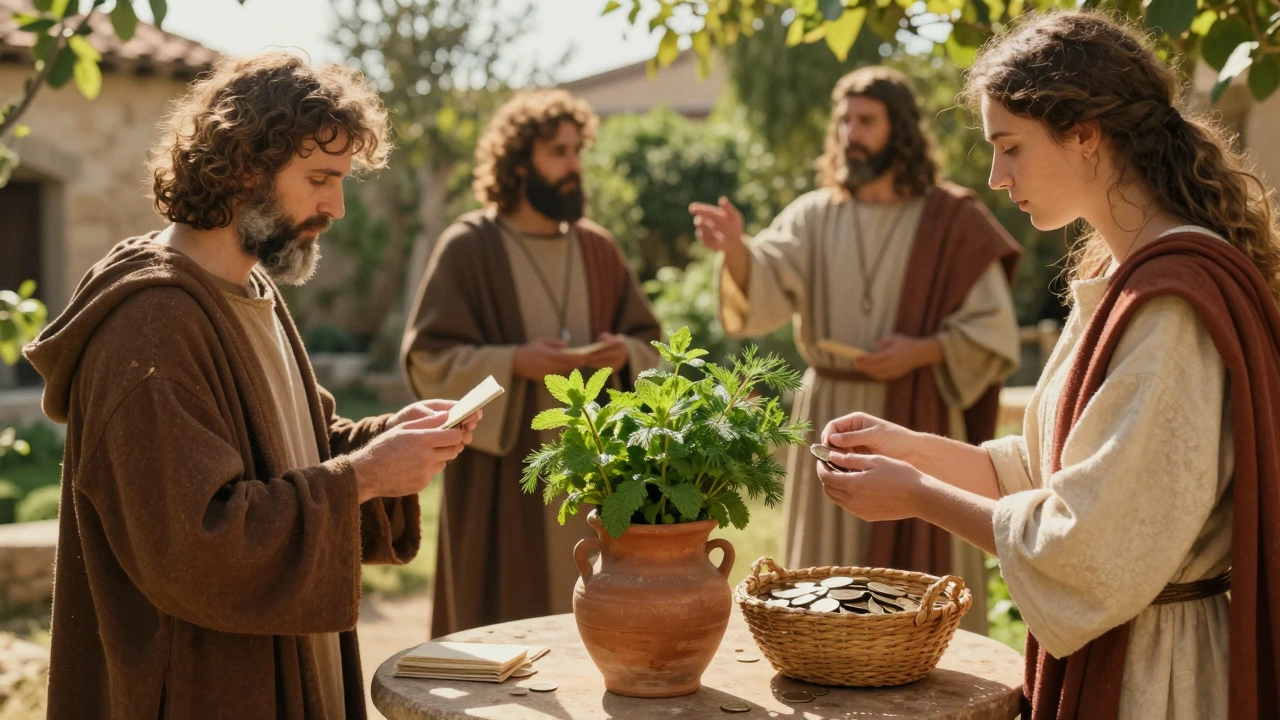
The Bible mentions mint only once, and it’s not in a passage about healing or medicine. It’s in Matthew 23:23, where Jesus criticizes the Pharisees:
"Woe to you, teachers of the law and Pharisees, you hypocrites! You give a tenth of your mint, dill, and cumin. But you have neglected the more important matters of the law-justice, mercy, and faithfulness. You should have practiced the latter, without neglecting the former."
This verse isn’t about mint’s medicinal value. It’s about religious hypocrisy. The Pharisees were meticulous about tithing even the smallest garden herbs-mint, dill, and cumin-while ignoring justice, mercy, and integrity. Jesus didn’t say mint was unimportant. He said their priorities were backwards. They were doing the small things perfectly while missing the big ones.
So, what does this mean? Mint wasn’t chosen randomly. In first-century Judea, mint was a common garden herb. It grew wild near homes and was used in cooking, as a digestive aid, and even as a garnish for Passover meals. It had value-not because it was sacred, but because it was everyday. Jesus used something familiar to make his point: if you’re obsessing over minor rituals, you’re missing the heart of what matters.
Mint as a Herbal Supplement: Then and Now
Today, mint is one of the most widely used herbal supplements. Peppermint oil is taken for irritable bowel syndrome (IBS), nausea, and headaches. Studies from the Journal of Clinical Gastroenterology in 2021 showed peppermint oil capsules reduced IBS symptoms in 75% of participants over four weeks. That’s not folklore-it’s science.
But here’s the twist: the Bible never says mint heals. It never says to use it for digestion or to brew it as tea. The ancient Israelites used it for flavor, not medicine. The Romans used it to freshen breath and scent baths. The Greeks rubbed it on their temples to relieve tension. But none of these uses appear in scripture.
So if you’re taking mint supplements today, you’re not following a biblical command. You’re using modern herbal knowledge. And that’s fine. The Bible doesn’t condemn herbal remedies-it just doesn’t mention them as treatments. What it does condemn is using religious rituals to feel righteous while ignoring compassion and truth.
Why This Matters for Herbal Supplement Users
If you’re using mint or other herbs for health, this passage offers a quiet warning: don’t let your supplement routine become a new kind of legalism.
Some people treat herbal supplements like spiritual checkpoints: "I take turmeric for inflammation, ashwagandha for stress, and peppermint for digestion-I’m doing everything right." But if you’re doing it to feel morally superior, or to replace real self-care with a pill, you’re missing the point.
Herbs can be helpful. Peppermint oil has been shown in double-blind trials to relax the smooth muscles of the gut. Ginger reduces morning sickness. Echinacea may shorten cold duration. But none of them replace sleep, hydration, stress management, or honest relationships.
The Bible’s mention of mint isn’t a recipe. It’s a mirror. It asks: Are you focusing on the visible, measurable things-like daily doses-while ignoring the invisible, harder things: patience, kindness, truth?
Modern Herbal Use vs. Biblical Context
There’s a big difference between using mint as a supplement and using it as a religious symbol.
The Pharisees tithed mint because it was easy to count. One ounce, two ounces, ten ounces-you could measure it. You could check it off. But justice? Mercy? Those can’t be measured. You can’t track them on a chart.
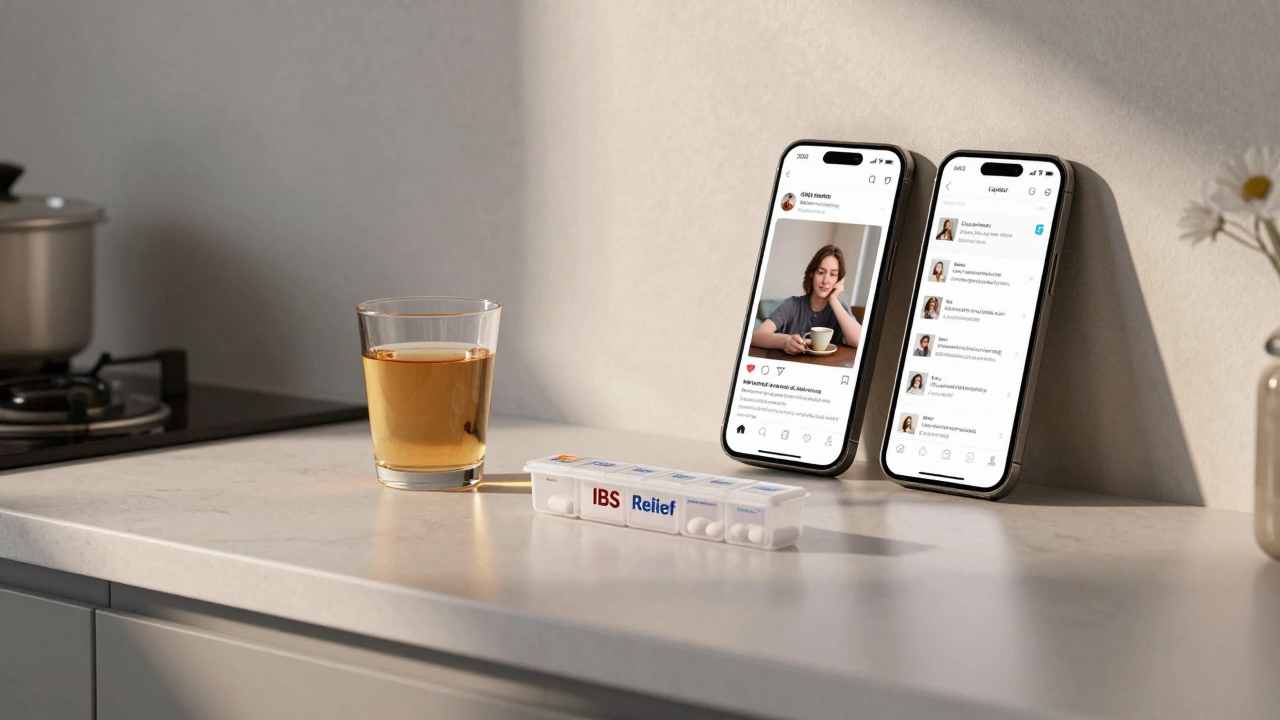
Today, we do the same thing. We track our daily herb intake. We log our supplements in apps. We compare dosages. We post about our "clean living" on social media. But if we’re not also showing up for a friend in crisis, speaking honestly with our family, or forgiving someone who hurt us-then we’re tithing mint while neglecting justice.
Herbal supplements are tools. Not magic. Not salvation. Not spiritual performance metrics.
Jesus didn’t say mint was worthless. He said it was small. And small things shouldn’t distract you from big ones.
Practical Takeaways
- Mint in the Bible is a metaphor, not a medical guide.
- Modern science supports peppermint oil for digestive relief-but only as one part of a broader approach.
- Don’t let herbal routines replace emotional or spiritual health.
- Use supplements wisely, but don’t worship them.
- Ask yourself: Am I using mint to heal my body-or to feel spiritually superior?
What About Other Herbs in the Bible?
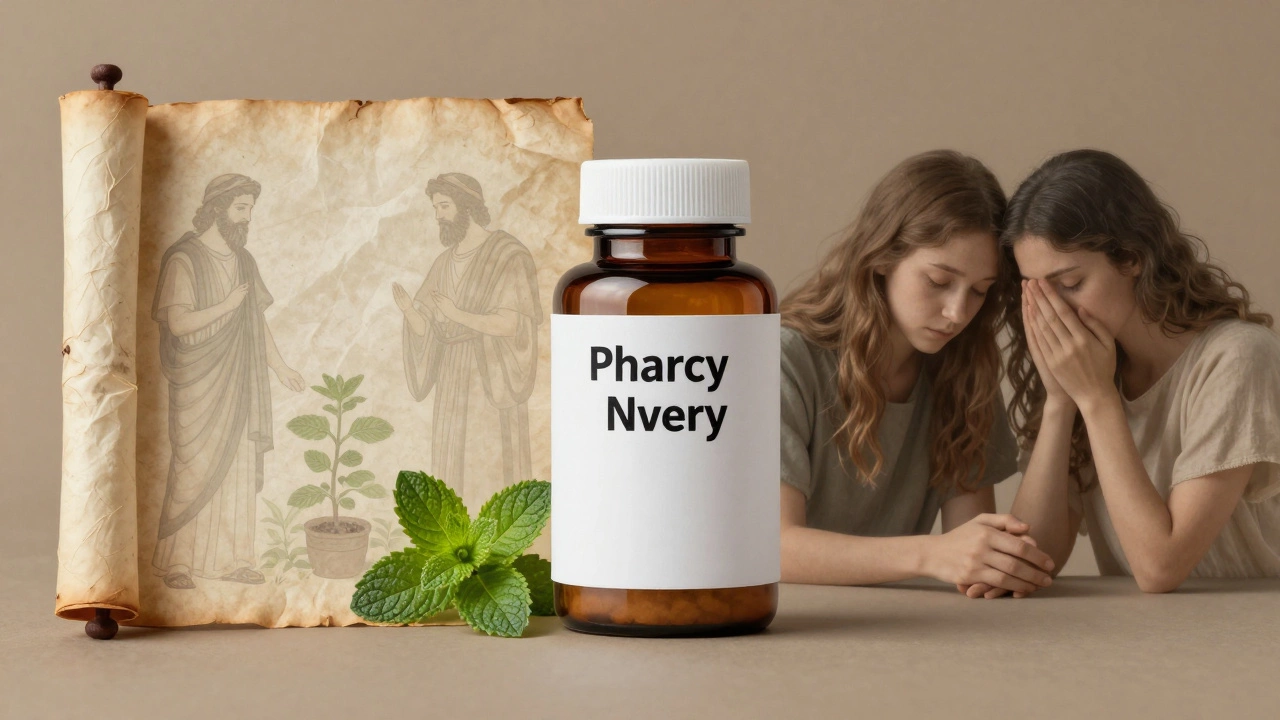
Mint isn’t the only herb mentioned. Hyssop was used for ritual cleansing (Psalm 51:7). Frankincense and myrrh were gifts (Matthew 2:11). But none were prescribed as medicine.
Even the healing miracles in the Bible didn’t rely on herbs. Jesus healed with touch, words, or faith-not with ointments or teas. That’s significant. It suggests that while herbs may help, they’re not the source of true healing.
So if you’re using rosemary for memory, chamomile for sleep, or lavender for anxiety-go ahead. They have research backing them. But remember: the Bible’s message isn’t about what you put in your body. It’s about what you put into the world: kindness, honesty, mercy.
Final Thought
The Bible doesn’t tell you to take mint supplements. But it does tell you to care more about people than performance. If your herbal routine makes you feel better, that’s good. If it makes you judge others for not taking the same supplements, that’s not.
Mint was a small thing in Jesus’ time. And it’s still a small thing today-not because it’s weak, but because healing is bigger than any herb.
Is mint mentioned anywhere else in the Bible besides Matthew 23:23?
No, mint is mentioned only once in the entire Bible, in Matthew 23:23. It’s paired with dill and cumin as examples of minor tithing items. No other passages reference mint as a herb, medicine, or symbol.
Did ancient Jews use mint for medicinal purposes?
Yes, but not in biblical texts. Historical records from the Roman and Greek periods show mint was used to soothe stomach upset, freshen breath, and as a fragrance in baths. Jewish households in Judea likely grew it for culinary use, but there’s no evidence it was used in temple rituals or as a prescribed remedy.
Can I use mint supplements based on biblical teaching?
You can use mint supplements safely if they help your health, but not because the Bible commands it. The Bible doesn’t endorse or prohibit herbal supplements. Instead, it warns against focusing on small rituals while ignoring justice, mercy, and truth. Use mint for its proven benefits-not as a spiritual badge.
Does the Bible say anything about herbal supplements in general?
No, the Bible doesn’t mention herbal supplements as we know them today. While it references herbs like hyssop, myrrh, and frankincense, these were used for ritual, fragrance, or burial-not as daily health products. The Bible’s focus is on the heart, not the pharmacy.
Is it wrong to rely on herbal supplements instead of medical care?
Relying solely on herbs instead of proven medical care can be dangerous. The Bible doesn’t oppose medicine-it shows Jesus healing people with authority, not herbs. Using supplements as a complement to care is fine. Using them as a replacement, especially for serious conditions, ignores the wisdom of stewarding your body wisely.




Write a comment