10-Year Heart Health Risk Estimator
Your 10-Year Outlook
Recommended Next Steps
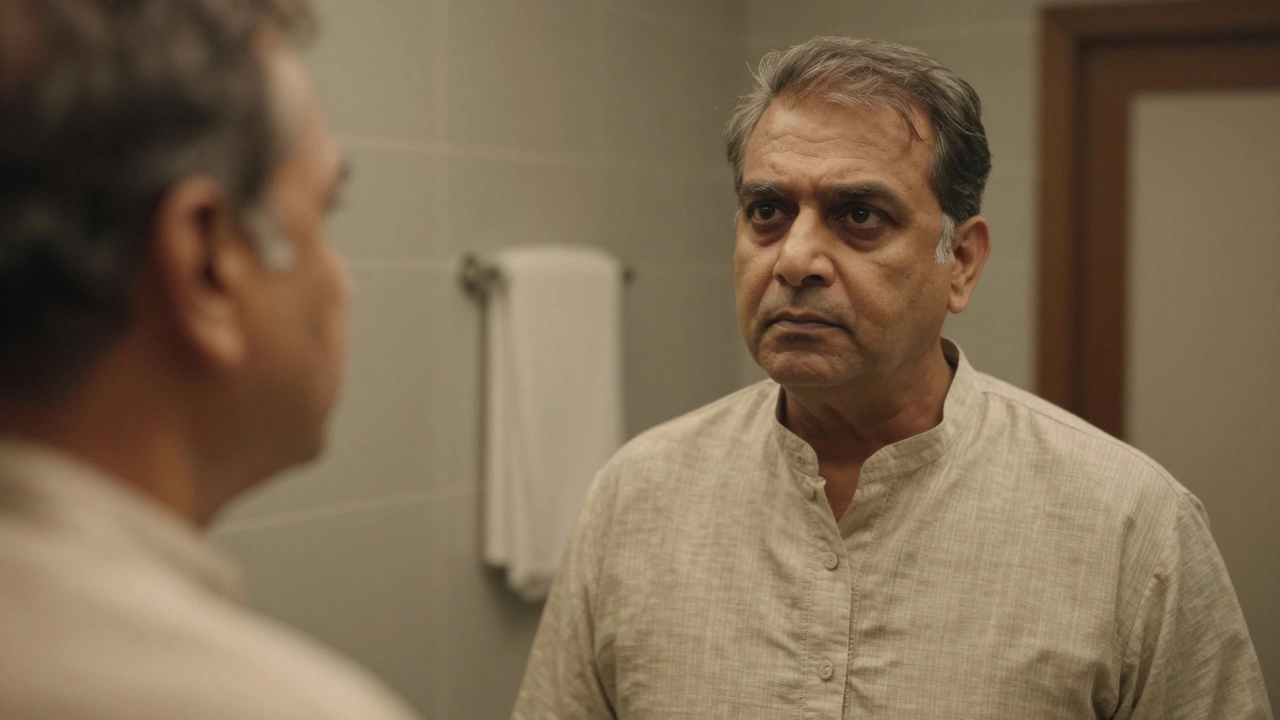
You survived the operation. You went home. You healed up. Now, a decade later, you’re looking in the mirror and wondering: is this it? Is my heart fixed for good, or am I just waiting for the other shoe to drop?
That question keeps many patients awake at night. Open-heart surgery isn’t a one-time fix like replacing a broken tire. It’s a major intervention that changes how your body handles blood flow, oxygen, and stress. Ten years post-op is a significant milestone. For some, it means a second wind of vitality. For others, it’s when late-stage complications start to whisper.
The truth lies somewhere in between, and it depends heavily on what kind of surgery you had, how well you’ve cared for your arteries since then, and whether you’ve stayed engaged with your care team. Let’s break down what actually happens to your body and your life ten years down the road.
The Two Main Paths: Bypass vs. Valve Replacement
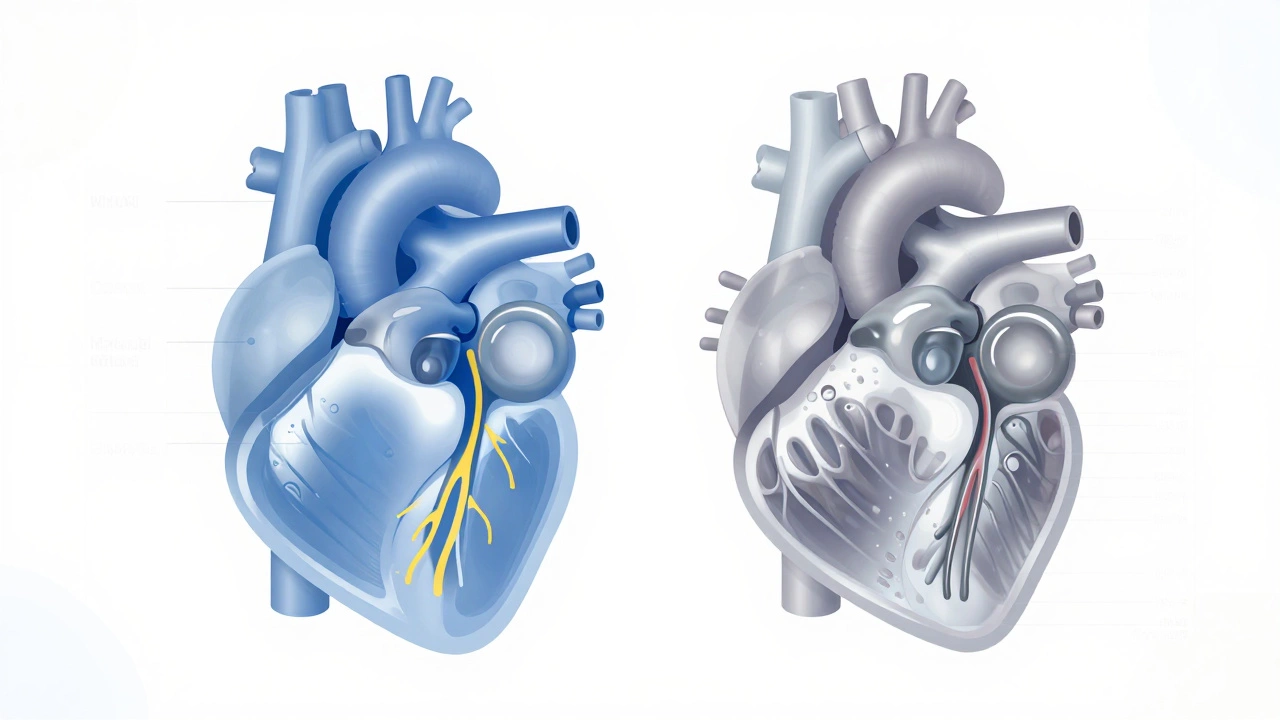
To understand where you are, we first need to look at what was done. Most open-heart surgeries fall into two buckets: Coronary Artery Bypass Grafting (CABG) surgery that creates new routes for blood to flow around blocked coronary arteries or Valve Repair or Replacement surgery to fix or replace damaged heart valves such as the aortic or mitral valve. The long-term outlook differs significantly between these two.
If you had bypass surgery, the grafts themselves have a lifespan. Vein grafts taken from your leg tend to narrow or block up again over time. Studies show that about 50% of vein grafts may fail within 10 years. However, arterial grafts, usually taken from inside your chest (the internal mammary artery), are much more durable. These often last 15 to 20 years or more. So, if you had an arterial graft, your ten-year mark might feel surprisingly stable. If you relied mostly on vein grafts, you might be noticing increased fatigue or shortness of breath as those vessels struggle.
If you had valve surgery, the story is different. Mechanical valves are built to last a lifetime but require daily blood thinners. Biological valves, made from animal tissue, degrade over time. By year ten, many biological valves begin to calcify and stiffen, leading to a condition called structural valve deterioration. This doesn’t mean immediate danger, but it does mean your next check-up becomes critical.
Physical Changes You Might Notice
By year ten, your body has settled into a new normal. Some changes are subtle; others are obvious.
- Energy Levels: Many patients report that their energy stabilizes after the first five years. If you haven’t returned to your pre-surgery activity level, it’s rarely because the surgery failed. It’s usually due to deconditioning-meaning your muscles and lungs aren’t used to working hard anymore.
- Stamina: Walking up stairs or carrying groceries might still feel harder than it did at twenty-five. That’s normal. Your heart is efficient, but it’s not young. Focus on functional strength rather than endurance records.
- Sternum Sensitivity: Even a decade later, some people feel twinges in their sternum during cold weather or heavy lifting. The bone heals, but the nerves and connective tissues remain sensitive. This is harmless but annoying.
- Weight Fluctuations: Metabolism slows with age, and heart medication can sometimes contribute to weight gain. Monitoring your waistline is crucial because excess abdominal fat puts pressure on your diaphragm and heart.
The Silent Threat: Atherosclerosis Progression
Here’s the hard truth: surgery fixes the plumbing, but it doesn’t stop the rust. Atherosclerosis-the buildup of plaque in your arteries-is a systemic disease. It affects all your arteries, not just the ones in your heart. If you didn’t change your lifestyle after surgery, the same process that blocked your heart ten years ago is likely clogging your legs, kidneys, and brain right now.
This is why stroke risk remains elevated for survivors of open-heart surgery. The American Heart Association notes that cardiovascular events don’t just disappear after the incision closes. They shift. You might not get another heart attack, but you could face peripheral artery disease (pain in your legs when walking) or carotid artery stenosis (narrowing in the neck arteries).
The key metric here isn’t just cholesterol; it’s inflammation. High-sensitivity C-reactive protein (hs-CRP) levels give doctors a clue about how active the plaque buildup is. If this number is high, your arteries are under attack, regardless of how well your grafts are holding up.
Mental Health: The Invisible Burden
We talk a lot about physical recovery, but mental health is where many patients hit a wall around year five to ten. Anxiety about having another event is common. It’s called "cardiac anxiety," and it’s real. You might avoid exercise because you’re afraid of triggering pain. You might skip social events because you’re worried about collapsing.
Depression is also prevalent. Losing independence, dealing with chronic fatigue, or adjusting to a new identity as a "heart patient" takes a toll. Research suggests that untreated depression increases the risk of future cardiac events by nearly 50%. So, taking care of your mind isn’t just about feeling good-it’s about staying alive.
Therapy, support groups, and mindfulness practices can help. Don’t dismiss low moods as "just getting old." Address them aggressively, just like you would high blood pressure.
| Factor | Coronary Artery Bypass (CABG) | Valve Replacement/Repair |
|---|---|---|
| Graft/Valve Lifespan | Vein grafts: ~10 years; Arterial grafts: 15+ years | Mechanical: Lifetime; Biological: 10-15 years |
| Primary Risk at Year 10 | Graft failure, recurrent angina | Structural valve deterioration, bleeding/clotting |
| Medication Dependency | Antiplatelets, statins, beta-blockers | Anticoagulants (if mechanical valve), diuretics |
| Exercise Tolerance | Generally improves with rehab | May be limited by valve efficiency |
What Your Doctor Will Check at the 10-Year Mark
Your annual check-up shouldn’t be a casual chat. At ten years post-op, your cardiologist needs specific data. Here’s what should be on the table:
- Echocardiogram: This ultrasound of your heart checks valve function and pumping strength (ejection fraction). If you had valve surgery, they’ll measure gradients across the valve to see if it’s narrowing.
- Stress Test: Either a treadmill test or a nuclear stress test. This reveals if any of your grafts are failing or if new blockages have formed in native arteries.
- Blood Work: Beyond standard cholesterol, ask for hs-CRP, HbA1c (for diabetes screening), and kidney function tests. Statins protect your arteries, but they can affect liver enzymes and muscle health.
- Bone Density Scan: Long-term use of certain medications and reduced mobility can lead to osteoporosis. A DEXA scan can catch this early.

Lifestyle Adjustments for the Next Decade
You’ve survived ten years. How do you survive the next ten? It comes down to consistency, not perfection.
Diet: The Mediterranean diet remains the gold standard. Rich in olive oil, fish, nuts, and vegetables, it reduces inflammation and supports vascular health. Cut back on processed meats and refined sugars. These are the primary drivers of plaque progression.
Movement: You don’t need to run marathons. Aim for 150 minutes of moderate aerobic activity per week. Brisk walking, swimming, or cycling works. Add resistance training twice a week to maintain muscle mass, which helps regulate blood sugar and metabolism.
Sleep: Poor sleep raises blood pressure and inflammation. If you snore loudly or wake up gasping, get tested for sleep apnea. It’s highly common in heart patients and drastically increases cardiac strain.
Smoking: If you still smoke, quitting now is the single most effective thing you can do. It immediately lowers your risk of graft failure and stroke.
When to Worry: Red Flags
Some symptoms are normal aging; others are emergencies. Know the difference.
- Normal: Occasional palpitations, mild fatigue after exertion, slight swelling in ankles after long flights.
- Concerning: New onset of shortness of breath while lying flat, chest pressure that radiates to the jaw or arm, sudden weight gain (more than 3 pounds in a day), or confusion/memory lapses.
If you experience chest pain that feels like squeezing or heaviness, call emergency services. Do not drive yourself. Time is muscle.
Can I live a normal life 10 years after open-heart surgery?
Yes, most people return to a near-normal life. "Normal" might look slightly different-you may need to pace yourself or take medications-but many patients travel, work, and enjoy hobbies. The key is managing expectations and maintaining heart-healthy habits to prevent recurrence.
Do bypass grafts last forever?
No. Vein grafts typically last 10-15 years, with a higher failure rate after the first decade. Arterial grafts (like the internal mammary artery) are more durable and often last 20 years or more. Regular monitoring is essential to detect narrowing early.
What are the signs that my heart valve is failing?
Signs include increasing shortness of breath, fatigue, swelling in legs or abdomen, and fainting spells. For mechanical valves, unusual bruising or bleeding can indicate clotting issues. An echocardiogram is the definitive test to assess valve function.
Is it safe to exercise vigorously 10 years post-op?
It depends on your current heart function. Most patients can engage in moderate-to-vigorous exercise if cleared by a cardiologist. Start slowly and listen to your body. Avoid heavy weightlifting that strains the chest unless your sternum is fully healed and your doctor approves.
How does age affect recovery outcomes at the 10-year mark?
Age impacts resilience and comorbidity risks. Older patients may face additional challenges like kidney decline or cognitive changes. However, chronological age matters less than biological age-how well you’ve managed your health. Active, healthy older adults often fare better than sedentary younger ones.


Write a comment