European Medical Cost Estimator
If you’re traveling through Europe and suddenly feel unwell, you might panic. What if you need a doctor? Will they speak English? Can you even get treated without insurance? The good news is, most of Europe has a strong, reliable healthcare system that welcomes visitors. You won’t be turned away because you’re not a citizen. But knowing what to expect can save you time, stress, and money.
You’ll Get Care, Even Without Insurance
One of the biggest myths about getting sick in Europe is that you need private insurance to see a doctor. That’s not true. In nearly every European country, emergency care is provided regardless of your ability to pay. Whether you’re in Paris, Prague, or Palermo, hospitals and clinics are legally required to treat life-threatening conditions first. Broken bones, severe allergic reactions, chest pain, or high fever with confusion? You’ll be seen immediately.
Non-emergency care is different. If you have a bad cough or stomach bug, you might have to wait longer or pay out of pocket. But even then, public clinics are affordable. In Germany, a basic doctor visit for a tourist might cost €30-€50. In Spain, it’s often under €25. In Italy, you can walk into a guardia medica (on-call doctor service) for a flat fee of around €20.
How to Find Help When You’re Sick
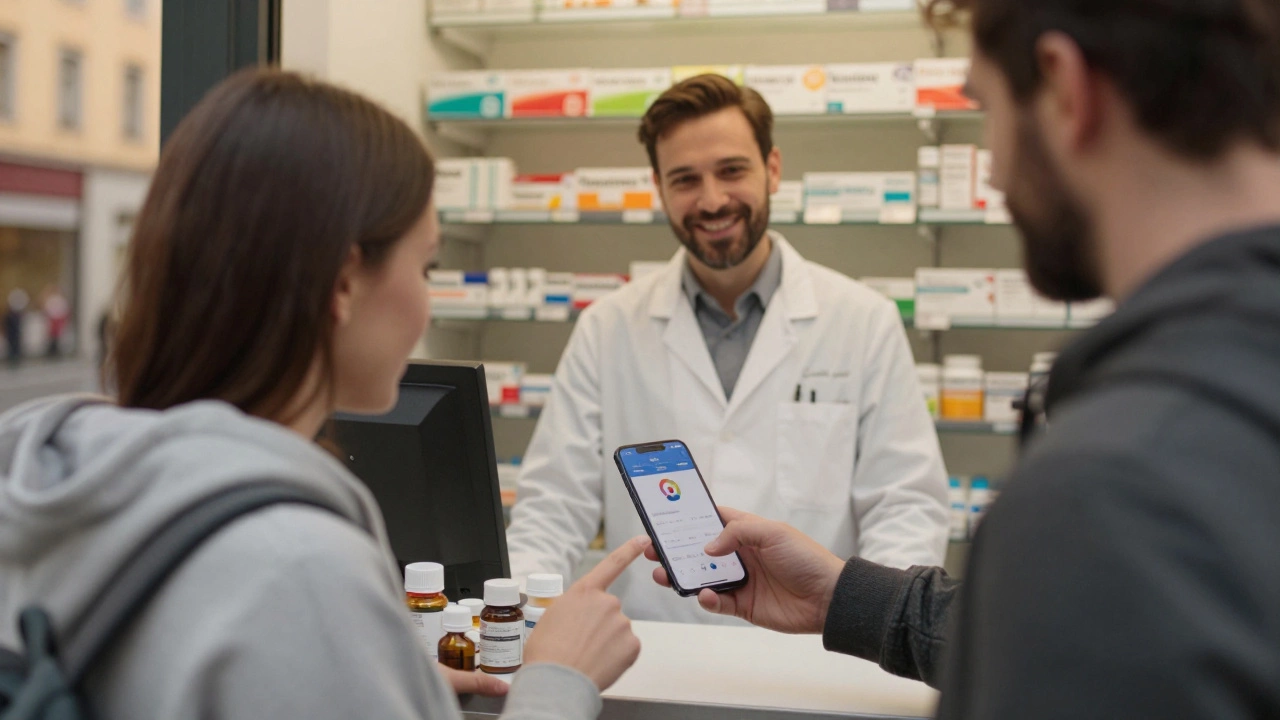
Don’t rely on Google Maps alone. Local pharmacies are your first stop. In most European countries, pharmacists are highly trained and can diagnose minor illnesses like ear infections, urinary tract infections, or flu symptoms. They can also give you over-the-counter medicine without a prescription - something you can’t always do in the U.S. or Australia.
If you need a doctor, here’s how to find one:
- Call the national emergency number: 112 works everywhere in the EU. It connects you to police, fire, or ambulance services.
- For non-emergency medical help, search for centro di assistenza turistica (Italy), Centre de santé (France), or Ärzte-Notdienst (Germany). These are official services for tourists.
- Ask your hotel front desk. They often have a list of English-speaking doctors nearby.
- Use apps like Doctor Anywhere or Teladoc if you have international coverage.
Many clinics now offer online booking in English. Some even have walk-in hours just for tourists. In cities like Barcelona, Vienna, or Amsterdam, you can find clinics that specialize in treating visitors - no appointment needed, English-speaking staff, and clear pricing.
What About Costs? Will Your Insurance Cover It?
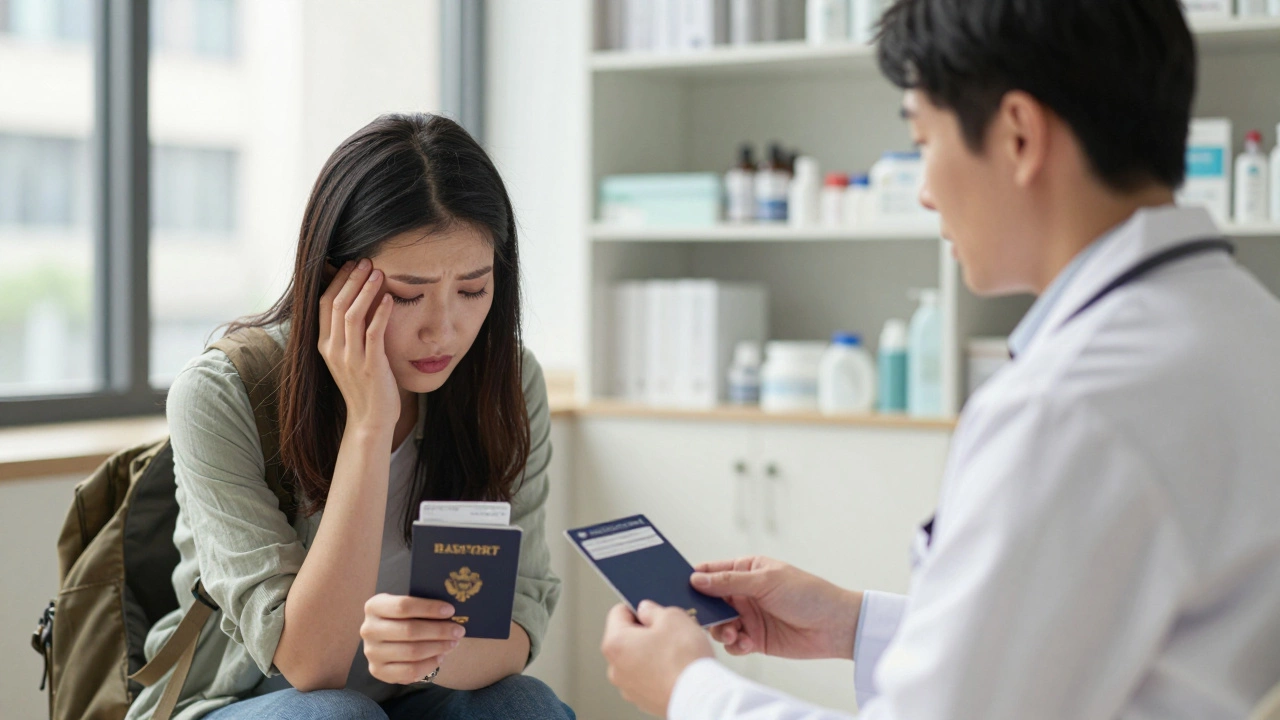
If you’re from Australia, the UK, Canada, or another country with a reciprocal health agreement, you might be covered. Australia has agreements with several EU nations, including Italy, Belgium, and Malta. That means you can get free or reduced-cost care at public hospitals - but only if you show your Medicare card and a valid passport. Always carry both.
If you don’t have reciprocal coverage, your travel insurance is your best bet. Most policies cover emergency treatment, hospital stays, and even medical evacuation. But read the fine print. Some policies won’t cover pre-existing conditions, dental emergencies, or outpatient visits. Make sure yours includes:
- Emergency hospitalization
- Repatriation (being flown home if needed)
- 24/7 medical assistance hotline
- Coverage for chronic conditions (if applicable)
Don’t assume your credit card’s travel insurance is enough. Many only cover accidents, not illnesses like pneumonia or severe gastroenteritis. Check your policy before you leave.
Language Barriers? Not a Dealbreaker
You don’t need to speak French, German, or Polish to get treated. In major cities and tourist areas, medical staff often speak English. But in smaller towns or rural areas, that’s less likely. That’s why it helps to have a translation app ready.
Google Translate works offline if you download the language pack ahead of time. You can type or speak your symptoms - like “I have chest pain,” “I can’t stop vomiting,” or “I’m allergic to penicillin.” The app will show the translation in the local language. You can even point your phone at a prescription label to get it translated.
Some hospitals, especially in Spain and Portugal, have volunteer translators on standby. If you’re in a pinch, ask for an interpreter. They’re required to provide one if you request it.
Prescriptions and Medications: What’s Allowed?
Europe has strict rules on what drugs you can buy without a prescription. Painkillers like codeine or strong anti-inflammatories often require a doctor’s note. Even common medications like melatonin or certain antibiotics are controlled.
If you’re used to buying OTC meds in Australia or the U.S., you’ll be surprised. For example:
- In Germany, you can buy ibuprofen and paracetamol easily.
- In France, you need a prescription for amoxicillin.
- In Sweden, you can’t buy cough syrup with codeine at all.
Always carry a copy of your prescription for any regular medication you take. Bring enough for your whole trip, plus a few extra days. Customs won’t stop you for personal-use quantities - but if you show up with 100 pills of something controlled, you might get questioned.

What If You Need to Be Evacuated?
Medical evacuation is rare - but when it happens, it’s expensive. A helicopter transfer from a remote village in the Alps or a commercial flight with medical escort can cost over €10,000. That’s why travel insurance with evacuation coverage isn’t optional. It’s essential.
Most policies require you to call their 24/7 helpline before arranging transport. Don’t book a flight yourself. Let the insurer coordinate with local hospitals. They’ll ensure you’re moved safely and to a facility that meets your needs.
If you’re traveling alone and become seriously ill, your embassy can help. They won’t pay your bills, but they can give you a list of local doctors, help you contact family, or even loan you money in extreme cases.
Real Stories: What Actually Happens
A tourist from Canada got sick with a kidney infection in Budapest. She walked into a local clinic, showed her Medicare card, and was treated for free. She paid €15 for antibiotics and flew home two days later.
A family from Japan had their 8-year-old with a high fever in Lisbon. They called 112, got an ambulance, and were taken to a public hospital. The child was treated for pneumonia. The parents paid €80 out of pocket because their insurance didn’t cover outpatient care. They were shocked - but relieved the child was fine.
A cyclist from Australia broke his collarbone in the Dolomites. He was airlifted by mountain rescue, taken to a hospital in Bolzano, and had surgery. His travel insurance covered everything except a €50 co-pay. He was back in Sydney three weeks later.
These aren’t rare cases. They happen every day. Europe’s system works - if you know how to use it.
Before You Go: 5 Simple Steps
Don’t wait until you’re feverish in a foreign hotel. Prepare ahead:
- Buy travel insurance with medical evacuation and emergency coverage.
- Carry your Medicare card (if you’re Australian) and passport.
- Download Google Translate and save offline language packs for your destinations.
- Bring extra copies of prescriptions for any regular meds.
- Save the number for your country’s embassy in Europe - and write it down, don’t just save it on your phone.
Europe is safe for travelers - even when you’re sick. The system is designed to help you. You just need to know where to look.
Can I use my Australian Medicare card in Europe?
Yes, but only in countries with a reciprocal health agreement with Australia - like Italy, Belgium, Malta, and Slovenia. You’ll need to show your Medicare card and passport at public hospitals. It covers emergency and essential care, but not everything. Always check the latest agreements before you travel.
Do I need to pay upfront for medical care in Europe?
In emergencies, no. You’ll be treated first, then billed later. For non-emergency care, you often pay at the time of service. Many clinics accept credit cards. Keep all receipts - you can claim reimbursement from your travel insurance later. Never assume care is free unless you’re covered by a reciprocal agreement.
Are European hospitals clean and safe?
Yes. European hospitals follow strict hygiene standards. Infection rates are among the lowest in the world. Many hospitals in countries like Germany, Sweden, and the Netherlands rank higher in patient safety than U.S. facilities. Don’t let fear of dirt or outdated equipment stop you from seeking care.
Can I get a prescription filled in Europe if I ran out of my medicine?
You can, but it’s not always easy. You’ll need to see a local doctor, explain your condition, and show your original prescription. Some medications you take at home may not be available, or may require a new prescription. Always bring enough for your entire trip, plus a few extra days.
What if I get sick in a small town or rural area?
You’ll still get care. Rural clinics may be smaller, but they’re staffed by qualified doctors. If you can’t find an English speaker, use a translation app or ask your hotel to help. In urgent cases, call 112 - emergency services will respond. Don’t delay treatment because you’re worried about language.


Write a comment