
Medical Tourism Cost Estimator
Estimate your total expenses for a medical trip. Enter your local quote and estimated overseas costs to see if the savings are worth the travel.
Potential Savings
Total difference between local and overseas total trip cost
Cost Breakdown
- Local Procedure: $0
- Overseas Procedure: $0
- Travel Costs: $0
- Total Overseas Trip: $0
$0
You’re staring at a quote for a knee replacement that costs $35,000. You know the same procedure in Thailand or Turkey might cost $8,000, including a week of recovery in a beachside hotel. It sounds too good to be true, right? But it’s not magic-it’s medical tourism, which is the practice of traveling across international borders to receive medical care. People do this every day. They go for dental work, cosmetic surgery, fertility treatments, and complex surgeries. The goal is simple: get high-quality care at a fraction of the domestic price.
But here’s the catch. It’s not just about saving money. If you don’t plan correctly, you could end up spending more on complications than you saved on the surgery. This guide breaks down exactly how it works, where people go, what it actually costs, and how to stay safe. No fluff, just the facts you need to decide if this path is right for you.
The Core Economics: Why Do People Travel for Care?
Let’s look at the numbers. In the United States, a heart bypass surgery can range from $70,000 to over $100,000. In India, the same procedure at an accredited hospital often costs between $4,000 and $6,000. That’s a difference of nearly 90%. Even with airfare and accommodation, you’re saving tens of thousands of dollars.
This price gap isn’t because doctors in other countries are less skilled. It’s largely due to lower labor costs, different regulatory environments, and government incentives to attract foreign patients. For many, especially those without comprehensive insurance or those facing long wait times in public health systems like Canada’s, medical tourism becomes a viable alternative rather than just a luxury.
It’s also about access. Some experimental treatments aren’t approved by the FDA in the US but are available in Europe or Asia. Others simply want to avoid the six-month wait list for a hip replacement in their home country. Speed and affordability drive most decisions.
Popular Destinations and Their Specialties
Not all countries are equal in this space. Certain regions have built reputations for specific types of care. Choosing the wrong destination for your specific need can lead to poor outcomes.
| Country | Primary Specialty | Avg. Cost Saving vs. US | Language Support |
|---|---|---|---|
| Thailand | Cosmetic Surgery, Dental, Gender Reassignment | 50-70% | High (English widely spoken) |
| India | Cardiac Surgery, Orthopedics, Oncology | 65-80% | Moderate-High (in major cities) |
| Mexico | Dental, Bariatric, Cosmetic | 50-60% | Moderate (Spanish/English mix) |
| Turkey | Hair Transplants, Eye Lasik, Hair Restoration | 60-75% | High (tourism-focused clinics) |
| South Korea | Dermatology, Plastic Surgery, Health Checkups | 40-50% | Low-Moderate (requires translators) |
Notice the pattern? If you need a hair transplant, Turkey is the global hub. If you need a complex cardiac bypass, India’s JCI-accredited hospitals are hard to beat on value. Mexico is convenient for Americans needing dental crowns or implants because you can drive there and be back home in two days.
How to Choose a Hospital: Accreditation Matters
This is the most critical step. Do not choose a clinic based solely on Instagram photos or a low price tag. You need to verify that the facility meets international standards.
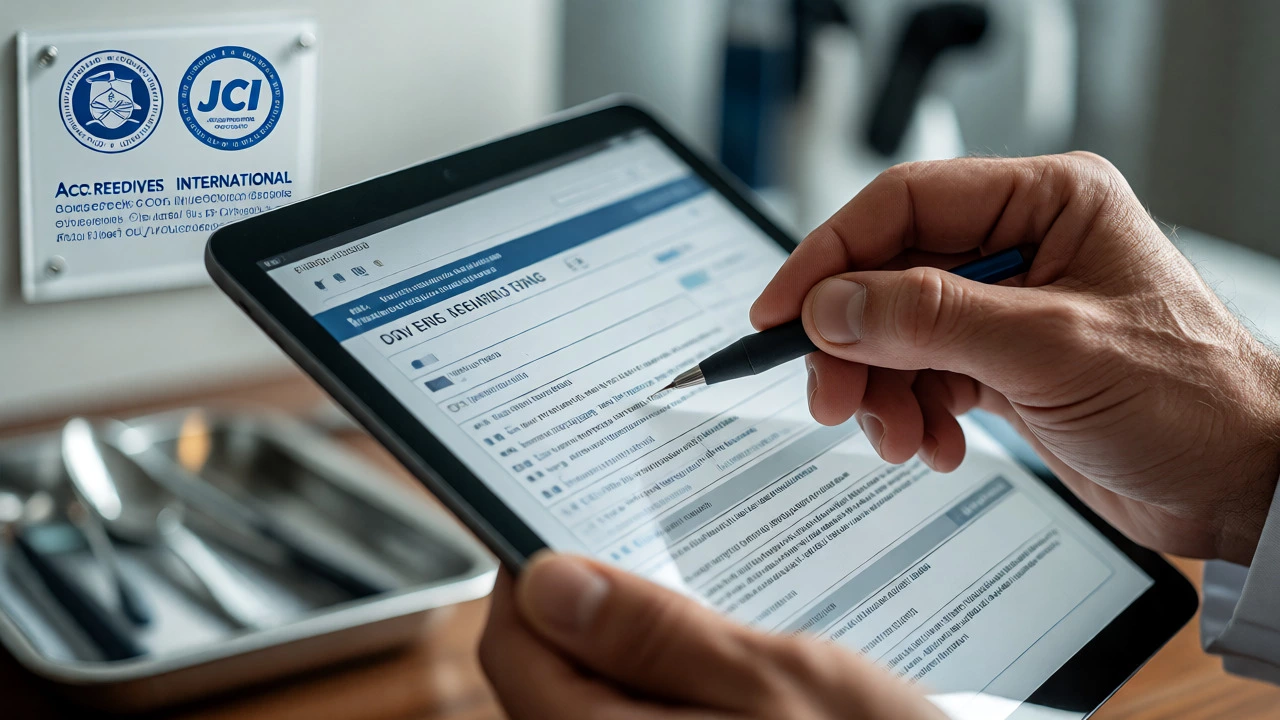
Look for accreditation from the Joint Commission International (JCI). This is the gold standard for non-US hospitals. A JCI seal means the hospital has passed rigorous inspections regarding patient safety, infection control, and staff qualifications. Another reputable body is the International Society for Quality in Health Care (ISQua).
Ask these questions before booking:
- Is the hospital JCI accredited? Can they show the certificate?
- Are the surgeons board-certified in their specialty? Ask for their CVs.
- What is the complication rate for this specific procedure?
- Do they offer post-operative follow-up remotely after you return home?
If a clinic hesitates to provide these details, walk away. Legitimate providers are transparent because they know international patients demand proof.

The Hidden Costs: It’s Not Just the Surgery Fee
Many people budget only for the operation. Big mistake. You need to account for the entire trip. Here’s a realistic breakdown for a typical dental implant trip to Mexico:
- Surgery/Dental Work: $1,500
- Flights: $400 (round trip)
- Accommodation: $600 (5 nights in a mid-range hotel)
- Food & Transport: $300
- Insurance: $100 (specialized travel medical insurance)
- Contingency Fund: $500 (for unexpected delays or minor issues)
Total: $3,400. Compare this to $5,000+ in the US, and you still save. But if you get a complication requiring a second visit, that contingency fund disappears fast. Always add a 15-20% buffer to your total budget.
Managing Risks and Continuity of Care
The biggest fear for travelers is what happens when they go home. If you develop an infection or a stitch comes loose, who treats you? Your local doctor might be hesitant to touch work done by an unknown surgeon abroad. They might charge extra for reviewing foreign records or refuse liability.
To mitigate this, ensure your overseas provider sends you a complete digital medical record before you fly. This should include operative notes, implant serial numbers, medication lists, and discharge instructions. Share this with your primary care physician back home before you leave. Some doctors will agree to handle follow-ups if they know the plan in advance.
Also, consider buying specialized medical travel insurance. Standard travel insurance often excludes pre-existing conditions or complications from elective procedures. Companies like Cigna Global or specialized brokers offer policies that cover revisions or emergency readmissions within a set window (e.g., 90 days).
Legal Recourse: What If Something Goes Wrong?
This is tricky. Malpractice laws vary wildly by country. In the US, you can sue for millions. In some popular tourist destinations, legal processes are slow, expensive, and biased toward local residents. Winning a malpractice suit abroad as a foreigner can take years and cost more than the original savings.
Read the consent forms carefully. Many clinics require you to sign waivers acknowledging the risks. Don’t assume you have the same legal protections you’d have at home. Sometimes, arbitration clauses force you to resolve disputes in the host country’s courts, not yours.
Is It Right for You?
Medical tourism isn’t for everyone. It’s ideal for elective procedures where you have time to recover abroad, such as hair transplants, LASIK, or cosmetic dentistry. It’s riskier for urgent, life-saving surgeries unless you have a trusted referral network.
If you’re healthy, organized, and willing to do the homework, the savings can change your financial life. If you’re anxious, lack support networks, or have complex health histories, proceed with extreme caution. Talk to your current doctor first. Get their honest opinion on whether your condition is suitable for cross-border treatment.
Is medical tourism safe?
Yes, generally, if you choose accredited facilities. Hospitals with Joint Commission International (JCI) accreditation maintain standards comparable to top US or European hospitals. However, risks increase if you choose unaccredited clinics solely based on price. Proper research and choosing experienced, board-certified surgeons significantly reduce safety concerns.
Will my insurance cover medical tourism?
Most domestic health insurance plans do not cover elective procedures performed abroad. Some plans may cover emergencies while traveling, but rarely planned surgeries. There are specialized insurance products designed for medical tourists that cover complications or revisions, but standard coverage is uncommon. Always check with your provider before booking.
How long should I stay after surgery?
This depends on the procedure. For dental work, 3-5 days is common. For major surgeries like hip replacements or tummy tucks, you might need 7-14 days to allow for initial healing and suture removal. Never rush home immediately after surgery; flying too soon increases the risk of blood clots (DVT) and wound complications. Follow your surgeon's specific advice.
What documents do I need for medical tourism?
You typically need a valid passport, visa (if required), and medical records translated into the host country's language. Some countries offer specific "medical visas" that simplify entry for patients. Ensure you have copies of your prescriptions, vaccination history, and any relevant diagnostic imaging (X-rays, MRIs) in digital format to share with the foreign specialist beforehand.
Can I bring a companion?
Yes, and it is highly recommended. Having a companion helps with logistics, translation, and emotional support during recovery. Some hospitals even offer discounted rates for family members staying in patient hotels. However, ensure your companion also has appropriate travel insurance, as their presence doesn't automatically cover them under your medical policy.




Write a comment