Anxiety Symptom Self-Assessment Tool
Symptom Checklist
Select all symptoms that you have experienced frequently over the past six months.
Disclaimer: This tool is for informational purposes only and does not constitute a medical diagnosis. Please consult a healthcare professional for proper evaluation.
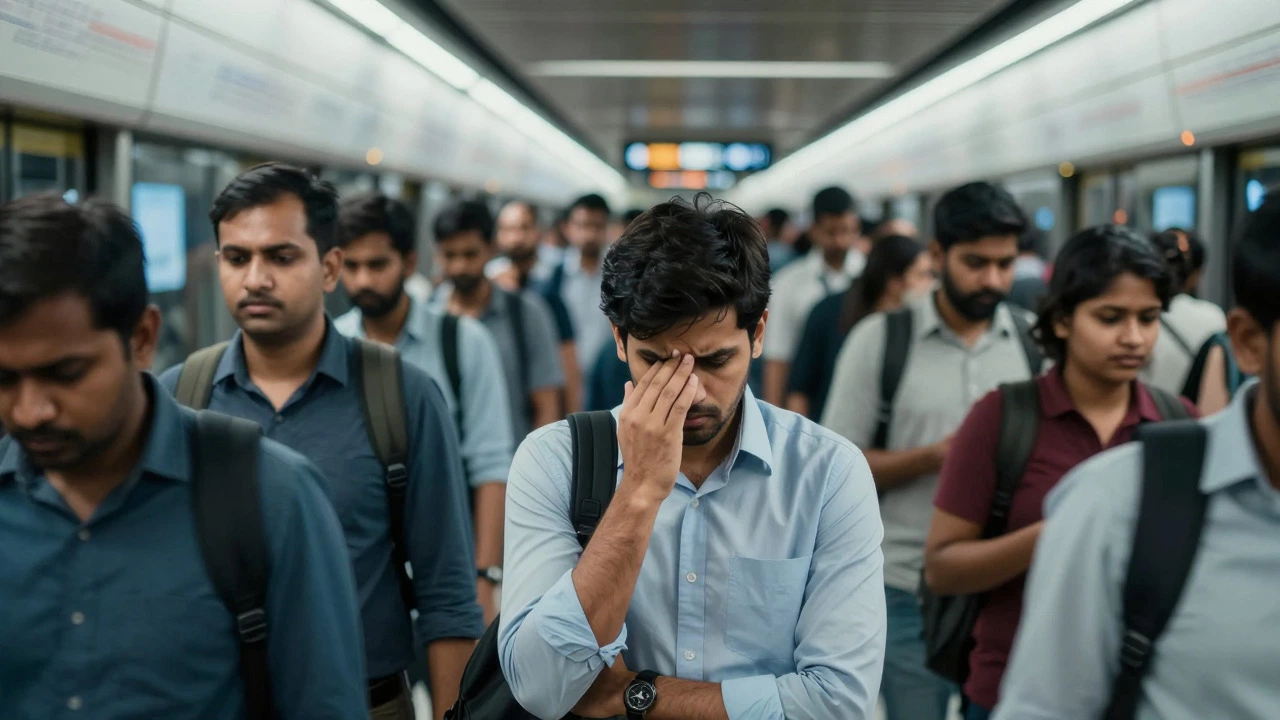
You might be surprised to learn that the most common mental health struggle isn't depression. While depression often steals the spotlight in media and public discourse, anxiety disorders are actually the number one most diagnosed mental condition worldwide. If you have ever felt a knot in your stomach before a big presentation or worried endlessly about things that haven't happened yet, you are not alone. In fact, you are part of a massive global majority.
The World Health Organization (WHO) reports that approximately 301 million people globally suffer from anxiety disorders. That is roughly 3.8% of the world's population. But here is where it gets even more staggering: when you look at specific regions like North America or Europe, those numbers jump significantly higher. In the United States alone, anxiety disorders affect nearly 40 million adults each year. That is almost 20% of the adult population. It is not just a "bad day" feeling; it is a pervasive, chronic condition that impacts how we work, sleep, and connect with others.
Anxiety Disorders Are Not Just Worrying
Many people dismiss anxiety as normal stress. After all, everyone gets nervous before a job interview or a date. But clinical anxiety is different. It is persistent, excessive, and often irrational. It does not go away once the stressful event is over. Instead, it lingers, interfering with daily life. The term anxiety disorders covers several distinct conditions, each with its own unique symptoms and triggers. Understanding these differences is crucial for getting the right help.
Generalized Anxiety Disorder (GAD) is perhaps the most recognizable form. People with GAD experience constant, uncontrollable worry about everyday things-health, money, family, or work. This worry is disproportionate to the actual situation. Then there is Social Anxiety Disorder, which causes intense fear of social situations due to potential judgment or embarrassment. Panic Disorder involves sudden, repeated episodes of intense fear accompanied by physical symptoms like heart palpitations, sweating, and trembling. Phobias, Obsessive-Compulsive Disorder (OCD), and Post-Traumatic Stress Disorder (PTSD) are also classified under the umbrella of anxiety-related conditions in many diagnostic manuals, though they have their own specific criteria.
| Disorder Type | Primary Symptom | Key Trigger | Prevalence Estimate |
|---|---|---|---|
| Generalized Anxiety Disorder (GAD) | Persistent, excessive worry | Everyday life events | ~3.1% of U.S. adults |
| Social Anxiety Disorder | Fear of judgment/embarrassment | Social interactions | ~7.1% of U.S. adults |
| Panic Disorder | Recurrent panic attacks | Often unexpected | ~2.7% of U.S. adults |
| Specific Phobias | Intense fear of specific object/situation | Exposure to trigger | ~7-9% lifetime prevalence |
Why Is Anxiety So Prevalent?
So, why has anxiety become the dominant mental health diagnosis? There is no single answer, but researchers point to a combination of biological, psychological, and environmental factors. Biologically, anxiety runs in families. If you have close relatives with anxiety disorders, you are more likely to develop one yourself. This suggests a genetic component involving neurotransmitters like serotonin and dopamine, which regulate mood and fear responses.
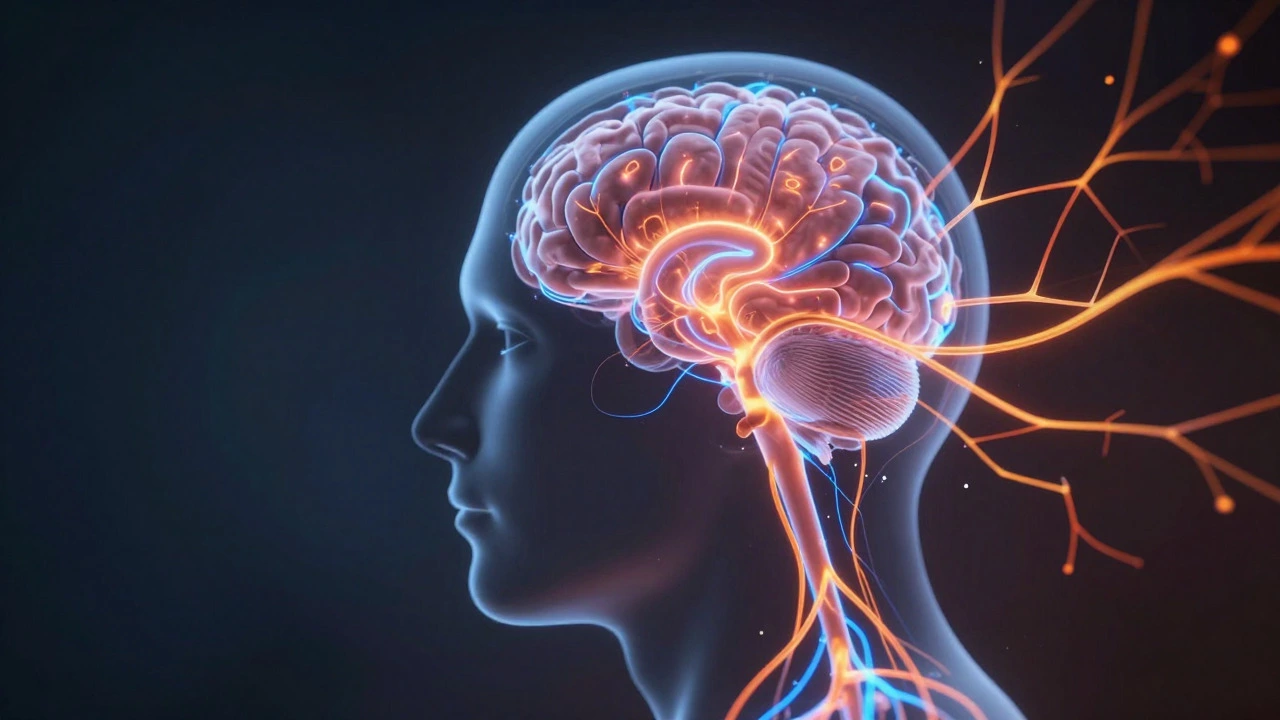
Psychologically, our brains are wired for survival. The amygdala, the brain's fear center, evolved to keep us safe from predators. Today, however, that same mechanism reacts to emails, traffic jams, and economic uncertainty. Modern life has created a constant state of low-grade threat perception. We are always "on," always connected, and always exposed to bad news. This hyper-vigilance fuels anxiety on a societal level.
Environmental stressors play a huge role too. Economic instability, political unrest, climate change fears, and the aftermath of global pandemics have all contributed to rising anxiety rates. According to data from the National Institute of Mental Health (NIMH), anxiety disorders are more common in women than men, possibly due to hormonal differences and societal pressures. They also tend to start early, with the median age of onset being around 11 years old. This means many people live with untreated anxiety for decades before seeking help.
Anxiety vs. Depression: The Key Differences
It is easy to confuse anxiety with depression because they often occur together. In fact, comorbidity-the presence of two or more disorders-is very common. About half of those who have anxiety also have depression. However, they are distinct conditions with different core features.
Anxiety is primarily focused on the future. It is characterized by anticipation, worry, and fear of what might happen. Your body prepares for a threat that hasn't arrived yet. Depression, on the other hand, is often rooted in the past or present. It involves feelings of sadness, hopelessness, loss of interest, and low energy. While anxiety keeps you awake at night worrying about tomorrow, depression makes it hard to get out of bed today.
Treatment approaches also differ slightly. Cognitive Behavioral Therapy (CBT) is highly effective for both, but the focus shifts. For anxiety, CBT helps challenge irrational fears and develop coping strategies for uncertainty. For depression, it often focuses on challenging negative thought patterns and behavioral activation to improve mood. Medication options overlap too, with Selective Serotonin Reuptake Inhibitors (SSRIs) being a first-line treatment for both conditions.
Recognizing the Signs Early
Because anxiety is so common, it is often normalized or ignored. People think, "Everyone feels this way," so they don't seek help. But left untreated, anxiety can lead to serious consequences. It increases the risk of developing depression, substance abuse, and cardiovascular problems. It can impair work performance, strain relationships, and reduce overall quality of life.
Here are some key signs that your anxiety might be crossing into clinical territory:
- Worrying excessively about minor matters for more than six months
- Difficulty concentrating or mind going blank due to worry
- Irritability, restlessness, or feeling "on edge" constantly
- Muscle tension, headaches, or stomach issues without a clear medical cause
- Sleep disturbances, such as trouble falling asleep or staying asleep
- Avoiding situations that trigger anxiety, leading to isolation
If you recognize these symptoms in yourself or a loved one, it is time to take action. You do not have to suffer in silence. Help is available, and it works.
Effective Treatments and Management Strategies
The good news is that anxiety disorders are highly treatable. A combination of therapy, medication, and lifestyle changes can make a significant difference. Psychotherapy, particularly CBT, is considered the gold standard. It teaches you to identify distorted thinking patterns and replace them with more realistic ones. Exposure therapy, a type of CBT, is especially effective for phobias and social anxiety by gradually exposing you to feared situations in a controlled way.
Medications like SSRIs (e.g., sertraline, escitalopram) and Serotonin-Norepinephrine Reuptake Inhibitors (SNRIs) help balance brain chemicals involved in mood regulation. Benzodiazepines may be prescribed for short-term relief of severe anxiety, but they carry a risk of dependence and are generally used cautiously. Always consult a healthcare provider before starting or changing any medication.
Lifestyle adjustments also play a crucial role. Regular exercise boosts endorphins and reduces stress hormones. Mindfulness practices, such as meditation and deep breathing exercises, help calm the nervous system. Limiting caffeine and alcohol intake can prevent spikes in anxiety levels. Prioritizing sleep hygiene is essential, as lack of sleep exacerbates anxiety symptoms. Building a strong support network of friends, family, or support groups provides emotional buffer against stress.

Breaking the Stigma Around Anxiety
Despite its prevalence, stigma still surrounds mental health. Many people hesitate to seek help because they fear being judged as "weak" or "crazy." This stigma is harmful and outdated. Anxiety is a medical condition, not a character flaw. It affects CEOs, athletes, parents, and students alike. Acknowledging your struggle is a sign of strength, not weakness.
We need to normalize conversations about mental health. Talk openly with friends and family. Share your experiences. Listen without judgment. By creating a culture of empathy and understanding, we can encourage more people to seek the help they need. Remember, you are not alone. Millions of people share your experience, and recovery is possible.
When to Seek Professional Help
If anxiety is interfering with your daily life, affecting your relationships, or causing significant distress, it is time to see a professional. Start with your primary care doctor to rule out any underlying medical conditions that might mimic anxiety, such as thyroid problems or heart issues. They can then refer you to a mental health specialist, such as a psychologist, psychiatrist, or licensed therapist.
Do not wait until you reach a crisis point. Early intervention leads to better outcomes. Therapy can equip you with tools to manage anxiety effectively, preventing it from worsening over time. Insurance plans often cover mental health services, and many communities offer sliding-scale fees or free resources. Online therapy platforms have also made access more convenient and affordable for many people.
Your mental health is just as important as your physical health. Taking care of your mind is an investment in your overall well-being. With the right support and treatment, you can regain control of your life and find peace amidst the chaos.
Is anxiety disorder the same as depression?
No, they are distinct conditions. Anxiety is primarily characterized by excessive worry and fear about the future, while depression involves persistent sadness, loss of interest, and low energy. However, they often co-occur, with about 50% of people with anxiety also experiencing depression.
What is the most common type of anxiety disorder?
Generalized Anxiety Disorder (GAD) is one of the most common types, affecting millions of people worldwide. It involves chronic, excessive worry about various aspects of life, such as work, health, and finances, even when there is little reason for concern.
Can anxiety disorders be cured?
While there is no definitive "cure," anxiety disorders are highly manageable and often treatable. Many people achieve significant symptom reduction and remission through therapy, medication, and lifestyle changes. Some individuals may experience periods of remission where symptoms disappear entirely.
How does genetics influence anxiety?
Genetics play a significant role in anxiety disorders. If you have close family members with anxiety, you are more likely to develop it. This is due to inherited variations in genes that affect neurotransmitter function, particularly serotonin and dopamine, which regulate mood and fear responses.
What are the best treatments for anxiety?
Cognitive Behavioral Therapy (CBT) is widely considered the most effective treatment. Medications like SSRIs and SNRIs are also commonly prescribed. A combination of therapy, medication, regular exercise, mindfulness practices, and adequate sleep typically yields the best results.
Why is anxiety more common in women?
Women are diagnosed with anxiety disorders at higher rates than men, possibly due to hormonal fluctuations, genetic factors, and societal pressures. Research suggests that estrogen and progesterone levels may influence anxiety susceptibility, and women may also face unique stressors related to caregiving and workplace dynamics.
At what age does anxiety usually start?
Anxiety disorders often begin early in life. The median age of onset is around 11 years old, meaning many people experience symptoms during childhood or adolescence. Early intervention is crucial to prevent long-term complications and improve overall outcomes.
Can lifestyle changes help reduce anxiety?
Yes, lifestyle changes can significantly alleviate anxiety symptoms. Regular physical activity, mindfulness meditation, limiting caffeine and alcohol, maintaining a consistent sleep schedule, and building strong social connections are all proven strategies to manage anxiety naturally.




Write a comment