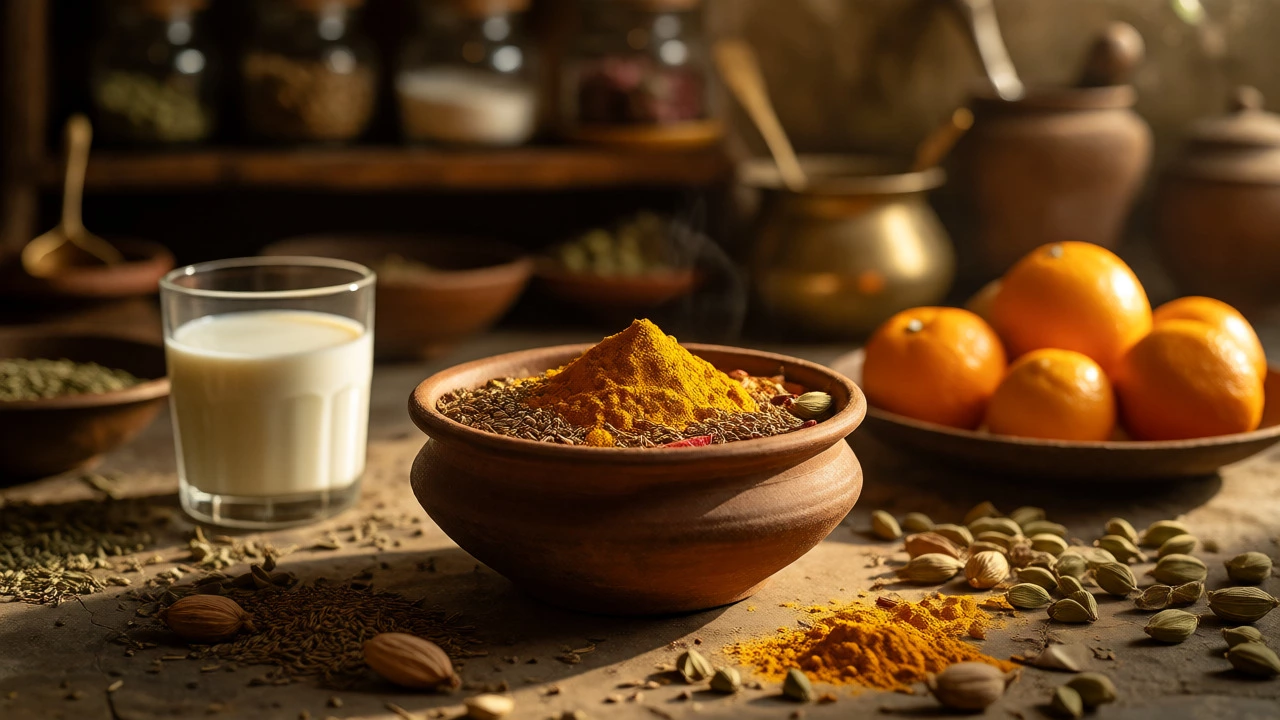
Ayurvedic Food Combining Checker
Select two foods below to see how they interact in your digestive system according to Ayurvedic wisdom.
You know that feeling when you eat a heavy meal and then feel sluggish, bloated, or just "off" for hours? In modern nutrition, we often blame calories or macros. But in Ayurveda, the ancient Indian system of medicine, the culprit is often how you combine your ingredients. This concept is known as Viruddha Ahara or incompatible food combinations.
The core idea isn't about banning specific foods forever. It's about understanding how different energies interact in your gut. When you mix items with conflicting heating and cooling properties, or those that require vastly different digestion times, you can create toxins (known as Ama) instead of nourishment. If you've ever wondered why milk and bananas make you feel congested, or why fish and dairy don't sit right, this guide breaks down exactly which pairs to avoid and why.
Understanding Agni and Digestive Fire
To grasp why certain combinations fail, you first need to understand Agni. In Ayurveda, Agni is the metabolic fire responsible for digesting food, absorbing nutrients, and eliminating waste. Think of it like a campfire. You want a steady, strong flame. If you throw wet logs on it, the fire sputters and produces smoke. That smoke is Ama-sticky, toxic residue that clogs channels in the body.
Different foods have different effects on Agni:
- Heating foods: Spices, ginger, garlic, sour fruits, fermented items.
- Cooling foods: Milk, cucumber, coconut, sweet fruits.
- Heavy foods: Dairy, nuts, meats, grains.
- Light foods: Vegetables, broths, most fruits.
When you combine a heavy, cooling food with a light, heating one, you dampen the fire. The result? Partially digested food ferments in the stomach, leading to gas, acidity, and long-term inflammation.
The Classic No-Nos: Common Incompatible Combinations
Some combinations are so well-known in Ayurvedic texts that they appear in almost every household rulebook. These aren't just myths; many align with modern observations of digestive sensitivity.
Milk and Sour Fruits
This is probably the most famous restriction. Milk is considered sweet, cooling, and heavy. Sour fruits like oranges, lemons, pineapples, and berries are acidic and heating. Mixing them causes curdling in the stomach. While some people tolerate yogurt (which is already fermented), fresh milk mixed with citrus often leads to mucus formation, congestion, and skin issues like acne or eczema.
| Food A | Food B | Why They Clash | Symptoms of Imbalance |
|---|---|---|---|
| Milk | Bananas | Both are heavy and sweet; slows digestion significantly. | Congestion, lethargy, weight gain. |
| Fish | Milk/Dairy | Opposing thermal energies; difficult enzymatic breakdown. | Skin disorders, allergies, indigestion. |
| Honey | Heated Foods | Heating honey creates toxic compounds (Amas). | Toxin buildup, sticky phlegm. |
| Eggs | Fruit Juice | Protein requires acid; fruit sugars ferment quickly. | Bloating, gas, nausea. |
| Legumes | Dairy | Both are heavy proteins; compete for digestive enzymes. | Sluggishness, poor nutrient absorption. |
Fish and Dairy
If you've ever had a creamy seafood sauce and felt uneasy afterward, Ayurveda explains why. Fish is heating and salty. Dairy is cooling and sweet. The clash disrupts the balance of Kapha (earth/water element) and Pitta (fire/water element). Historically, this combination has been linked to skin conditions like vitiligo and psoriasis in susceptible individuals.
Honey and Heat
Honey is unique in Ayurveda because it is the only natural sweetener considered beneficial even for diabetics (in moderation) due to its scraping quality (Yogavahi). However, never cook honey. Heating honey above 40°C (104°F) changes its chemical structure, turning it into a glue-like substance that sticks to the mucous membranes. So, if you're making tea, wait until it cools slightly before stirring in honey. Never bake cookies with honey if you want to keep it medicinal.

Fruit Wisdom: Eat Alone or With Grains?
Fruit is tricky. Most people think fruit is always healthy, but timing matters more than content. Fruit digests rapidly-usually within 20 to 30 minutes. Other foods, like proteins and fats, take hours.
If you eat an apple after a steak, the fruit gets trapped behind the slow-digesting meat. Instead of passing through, it begins to ferment. This fermentation produces alcohol and gas, causing bloating and discomfort.
The Rule of Thumb:
- Eat fruit alone: Ideally 30-60 minutes before meals or 2-3 hours after.
- Exception: Sweet, ripe fruits (like mangoes or papayas) can sometimes be paired with dairy (like lassi) if you have strong digestion.
- Avoid: Melons. Always eat melons alone. They digest faster than any other fruit and will definitely cause trouble if mixed with anything else.
Vegetable and Spice Interactions
Not all vegetables play nicely together either. This is less about toxicity and more about creating excessive gas or heaviness.
Leafy Greens and Fermented Foods
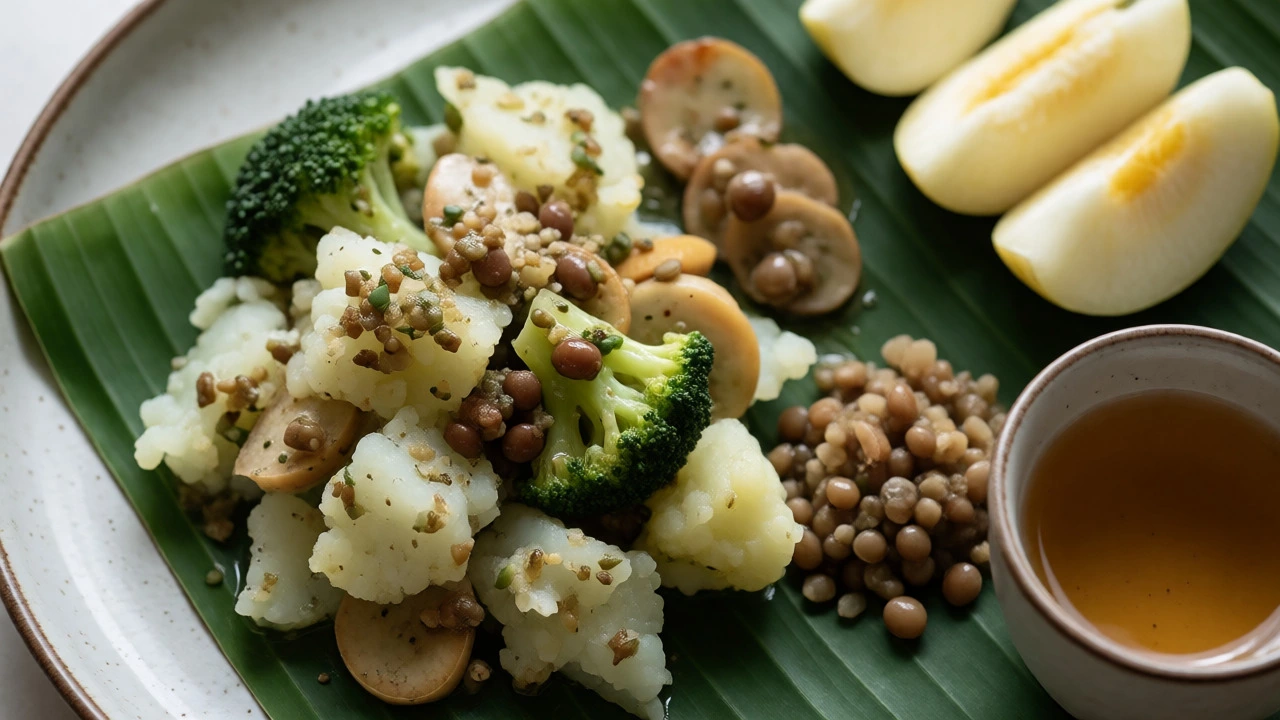
While sauerkraut is trendy, pairing large amounts of raw leafy greens with heavily fermented items can overwhelm sensitive guts. More importantly, avoid mixing nightshade vegetables (tomatoes, eggplants, potatoes) with high-protein legumes in large quantities without proper spices. Tomatoes are acidic and heating; lentils are drying and heavy. Without balancing spices like cumin, coriander, and turmeric, this combo can aggravate Vata (air/space element), leading to joint pain or anxiety in prone individuals.
The Power of Correct Spicing
Ayurveda doesn't just say "don't do this." It says "do this instead." Spices act as catalysts. For example, black pepper aids protein digestion. Cumin helps break down fats. If you must eat a challenging combination, adding the right spice blend can mitigate the negative effects. This is why traditional Indian cooking rarely serves plain boiled vegetables; they are almost always tempered with oil and spices to aid assimilation.
Practical Guidelines for Daily Eating
You don't need to memorize a textbook to benefit from these rules. Start with these simple adjustments:
- Observe Your Body: Keep a food journal for two weeks. Note how you feel 2 hours after eating. Bloating? Sleepiness? Acne flare-ups? These are signs of incompatible combos.
- Separate Hot and Cold Drinks: Don't drink ice-cold water during a hot spicy meal. It extinguishes the digestive fire. Sip warm or room-temperature water instead.
- Limit Mixed Desserts: Ice cream topped with chocolate sauce and nuts is a triple threat of heaviness and conflicting temperatures. Choose one dominant flavor profile.
- Respect Meal Sizes: Even compatible foods become incompatible if you overeat. Leave 25% of your stomach empty for air and movement.
Who Needs to Follow These Rules Strictly?
Not everyone has the same digestive strength (Jatharagni). Some people can eat pizza with orange juice and feel fine. Others get headaches.
Follow strict Ayurvedic food combining if you have:
- Chronic digestive issues (IBS, GERD, gastritis).
- Skin conditions like eczema, psoriasis, or persistent acne.
- Autoimmune diseases where inflammation is a key driver.
- A history of allergies or sensitivities.
If you are young, active, and have no symptoms, you have more flexibility. However, adopting these habits early prevents long-term accumulation of Ama.
Is it true that I should never eat bananas with milk?
In Ayurveda, yes, this is generally advised against. Bananas are heavy, sweet, and cooling, while milk is also heavy and cooling. Together, they can slow down digestion and increase Kapha dosha, leading to congestion, mucus production, and lethargy. If you love smoothies, try using almond milk or oat milk instead of dairy, or add warming spices like cinnamon and cardamom to counteract the heaviness.
Can I eat fruit after a meal?
It is better to eat fruit before a meal or at least 30 minutes prior. Fruit digests very quickly (20-30 minutes). If eaten after a heavy meal containing proteins or fats, the fruit sits on top of the slower-digesting food and begins to ferment, causing gas, bloating, and toxin formation. An exception can be made for small portions of sweet, ripe fruits if your digestion is very strong, but generally, separation is best.
Why shouldn't I heat honey?
According to Ayurvedic texts, heating honey changes its molecular structure, creating substances that are difficult for the body to metabolize. These heated honey compounds are said to stick to the tissues and channels of the body, acting as a carrier for toxins (Ama) rather than helping to remove them. To preserve its medicinal benefits, always add honey to liquids or foods that are lukewarm or cool, not boiling hot.
Does this mean I have to give up cheese and pasta?
You don't necessarily have to give them up, but you should be mindful. Cheese is heavy and oily; pasta is starchy and heavy. This combination is very dense and hard to digest. If you enjoy it, eat smaller portions, chew thoroughly, and pair it with lighter sides like steamed greens or a salad with lemon dressing. Avoid adding heavy desserts afterward. Listen to your body-if you feel sluggish, reduce the frequency.
What is the worst food combination according to Ayurveda?
While severity varies by individual constitution, the combination of fish and milk/dairy is often cited as one of the most problematic. It creates a direct conflict between heating and cooling energies and is traditionally associated with skin disorders and severe digestive upset. Another highly discouraged combo is heated honey mixed with ghee in equal parts, which is believed to create immediate toxicity.



Write a comment