Costa Rica Health & Medical Tourism Estimator
Understand the local health landscape and potential savings. This tool estimates your personal health risk profile based on lifestyle factors common in Costa Rica's urban centers and compares estimated private healthcare costs against US averages.
Based on recent surveys, ~58% of adults in CR are overweight/obese, and ~11% have Type 2 Diabetes. Urbanization has shifted diets toward processed foods.
Private hospitals in San José offer JCI-accredited care at 40-70% less than US prices. Use this estimator to gauge potential savings.
Key Health Context in Costa Rica
- Obesity Nearly 6 out of 10 adults are overweight or obese due to dietary shifts from traditional meals to processed foods.
- Diabetes One of the highest rates in Latin America (~11% diagnosed). Uncontrolled cases lead to severe complications like kidney failure.
- System The public system (CCSS) is overwhelmed by chronic patients. Private care offers faster access but requires out-of-pocket payment or insurance.
You might picture Costa Rica as a tropical paradise where everyone lives to be 100 because of the Pura Vida lifestyle. It is easy to assume that fresh air, ocean breezes, and a relaxed pace of life automatically translate to perfect health. But here is the uncomfortable truth: the biggest health problem in Costa Rica isn't a rare tropical disease or a lack of hospitals. It is a silent epidemic of non-communicable diseases (NCDs), specifically obesity and Type 2 diabetes.
This shift has happened fast. In just two decades, Costa Rica went from dealing mostly with infectious diseases like malaria and dengue to battling the same chronic conditions that plague wealthy Western nations. If you are considering medical tourism in Costa Rica, or if you are an expat planning to move there, understanding this health landscape is critical. You need to know what risks exist, how the healthcare system handles them, and why so many people actually travel *to* Costa Rica for treatment despite these local challenges.
The Shift from Infectious to Chronic Diseases
Thirty years ago, the main health threats in Costa Rica were things you could catch from water or mosquitoes. Today, the Ministry of Health reports that over 70% of deaths in the country are caused by NCDs. This mirrors trends in the United States and Europe, but the speed of change in Costa Rica has been startling.
Why did this happen? Rapid urbanization changed diets. Traditional meals based on beans, rice, corn, and plantains have been replaced by processed foods, sugary drinks, and fast food chains expanding into San José and other cities. Physical activity dropped as car ownership rose. The result is a population that is heavier and less active than their grandparents ever were.
Cardiovascular disease remains the number one killer, but it is largely driven by the underlying issues of poor diet and sedentary behavior. When you look at the data, it becomes clear that Costa Rica is fighting a battle against lifestyle-related illness, not germs.
Obesity and Diabetes: The Twin Epidemics
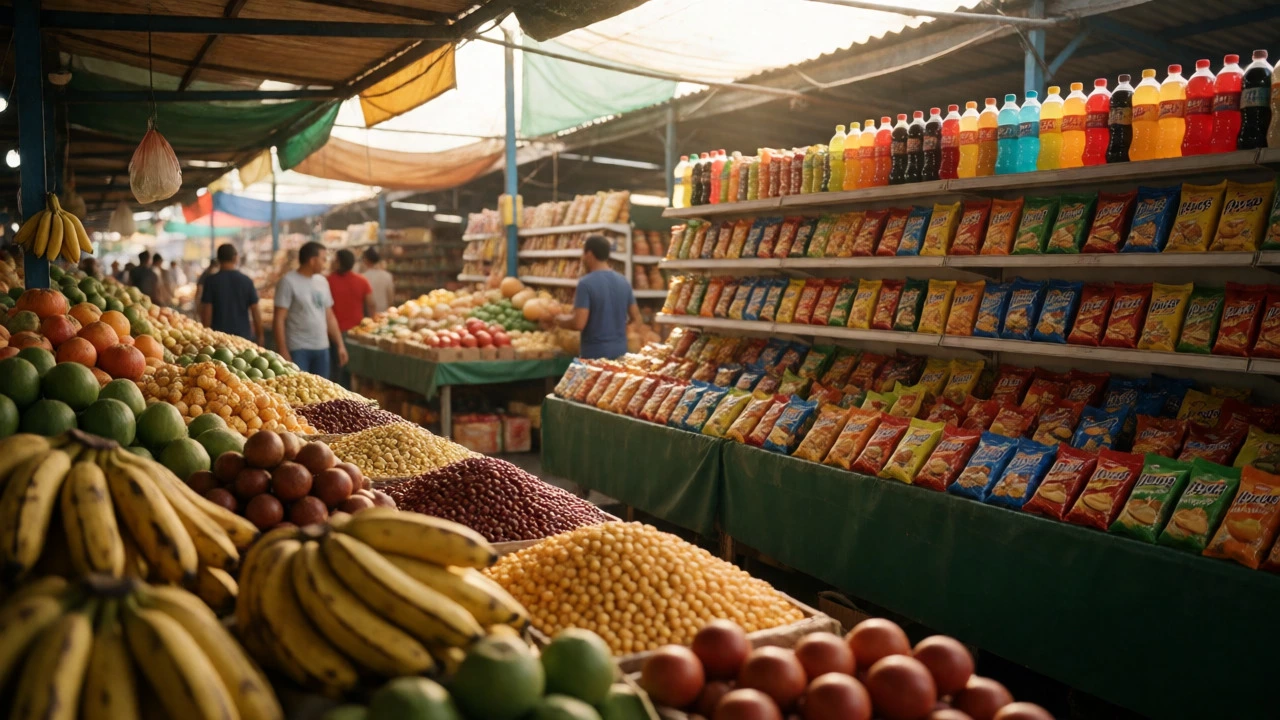
If you walk through a local market in San José today, you will see more imported snacks than locally grown produce on some shelves. This dietary shift has fueled an obesity crisis. According to recent national surveys, nearly 6 out of 10 adults in Costa Rica are overweight or obese. For children, the numbers are equally worrying, with high rates of childhood obesity predicting future health complications.
Where obesity goes, Type 2 diabetes follows. Costa Rica has one of the highest rates of diabetes in Latin America. Approximately 10-12% of the adult population lives with diagnosed diabetes, and experts believe another significant percentage remains undiagnosed. This isn't just about blood sugar levels; uncontrolled diabetes leads to kidney failure, vision loss, and amputations, putting massive strain on the public health system.
| Health Indicator | Prevalence/Rank | Primary Driver |
|---|---|---|
| Adult Obesity/Overweight | ~58% | Dietary changes, urbanization |
| Type 2 Diabetes | ~11% of adults | Obesity, genetic predisposition |
| Hypertension | ~30% of adults | High salt intake, stress |
| Depression/Mental Health | Rising cases | Social isolation, economic pressure |
Mental Health: The Hidden Struggle
We often focus on physical ailments, but mental health is becoming a major concern in Costa Rica. While suicide rates are lower than in some European countries, they have risen among youth and elderly populations. Depression and anxiety are underreported due to cultural stigma. Many Ticos (Costa Ricans) prefer to suffer in silence rather than seek psychiatric help, viewing mental health issues as a personal weakness rather than a medical condition.
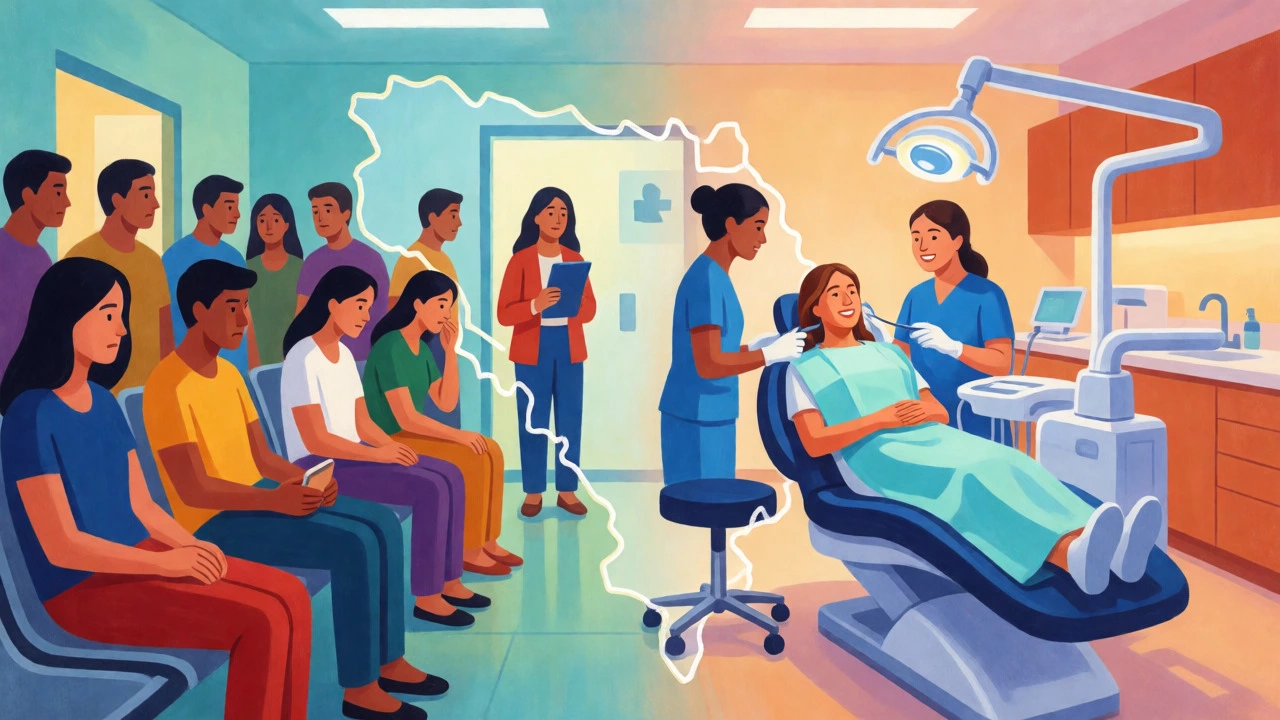
The public system struggles to provide adequate access to psychologists and psychiatrists. Wait times can be months long. This gap creates a demand for private care, which is where medical tourism sometimes steps in, offering affordable therapy options for both locals and foreigners who cannot afford US-based rates.

How the Healthcare System Handles These Problems
Costa Rica’s Caja Costarricense de Seguro Social (CCSS), or "La Caja," provides universal healthcare to citizens and residents. It is highly effective for emergencies and basic care. However, the system is overwhelmed by the sheer volume of chronic patients. Managing diabetes requires regular check-ups, medication, and specialist visits. With limited resources, La Caja prioritizes acute care, leaving chronic management fragmented.
For those who can pay, the private sector offers faster access to specialists. Private hospitals in San José, such as Clínica Bíblica and Hospital CIMA, are equipped with modern technology comparable to facilities in North America. They handle complex surgeries, advanced diagnostics, and elective procedures efficiently. This dual system means your experience depends heavily on whether you use public or private care.
Why Travelers Choose Costa Rica Despite These Issues
You might wonder: if Costa Rica has such big health problems, why do tourists come there for medical care? The answer lies in cost and quality balance. While the local population struggles with affordability and wait times, international patients benefit from:
- Lower Costs: Dental work, cosmetic surgery, and orthopedic procedures can cost 40-70% less than in the US or Canada.
- High Quality Care: Top private hospitals are JCI-accredited (Joint Commission International), ensuring global standards.
- Shorter Wait Times: Unlike the Canadian or UK systems, you can get scheduled for surgery within weeks, not months.
- Recovery Environment: The climate and natural beauty aid recovery from dental implants, plastic surgery, or wellness retreats.
Many visitors combine vacation with treatment. A week-long stay for a knee replacement or full-mouth dental reconstruction allows time to recover in a low-stress environment before flying home.
Environmental and Emerging Risks
Beyond chronic diseases, environmental factors play a role. Air pollution in the Central Valley (where most people live) affects respiratory health. During dry seasons, particulate matter levels rise, triggering asthma and bronchitis. Additionally, while controlled now, vector-borne diseases like Dengue fever still flare up during rainy seasons. Visitors should take precautions against mosquito bites, especially in coastal areas.
Water quality is generally safe in urban centers, but rural areas may require caution. Food safety standards in tourist zones are high, but street food hygiene varies. Staying hydrated and choosing reputable restaurants reduces the risk of traveler's diarrhea, which remains a common complaint for short-term visitors.
Practical Tips for Expats and Tourists
If you plan to live in Costa Rica or visit for medical reasons, here is how to navigate the health landscape:
- Get Insurance: Do not rely solely on travel insurance if you are staying longer than three months. Look into residency-linked CCSS coverage or robust international private insurance.
- Choose Your Doctor Wisely: Use private clinics for specialized care. Ask for doctors who speak English if language is a barrier, though many specialists in tourist hubs do.
- Watch Your Diet: Avoid the trap of eating only imported processed foods. Embrace local superfoods like chayote, yuca, and fresh fruits to combat the local obesity trend yourself.
- Plan Surgeries in Advance: Even in private hospitals, scheduling can take a few weeks. Book consultations remotely before arriving if possible.
Understanding that Costa Rica faces serious public health challenges doesn't mean you should avoid it. It means being informed. The country offers world-class private medicine amidst a beautiful setting, making it a top destination for those seeking value-driven healthcare.
Is healthcare free in Costa Rica?
Not entirely. Residents contribute to the CCSS (public system) through payroll taxes or voluntary payments. Tourists usually pay out-of-pocket or use private insurance. Public care is subsidized but not always free for non-residents without contributions.
Do I need vaccinations to visit Costa Rica?
Standard routine vaccines (MMR, flu, etc.) are recommended. There are no mandatory yellow fever shots unless traveling from certain African or South American countries. Malaria prophylaxis is rarely needed outside specific remote jungle areas.
Is tap water safe to drink in Costa Rica?
In San José and most major towns, tap water is safe and treated. In coastal areas or very remote regions, bottled water is often preferred by locals and tourists alike to avoid minor stomach upset.
Can Americans use Medicare in Costa Rica?
Generally, no. US Medicare does not cover healthcare abroad. Retirees moving to Costa Rica must purchase private insurance or enroll in the CCSS system after establishing legal residency.
What is the cost of seeing a doctor in Costa Rica?
A general practitioner visit in a private clinic typically costs between $40 and $80 USD. Specialists charge more, ranging from $80 to $150 USD. This is significantly cheaper than similar services in the US or Canada.




Write a comment