Ayurvedic Belly Fat Remedy Finder
Select the option that best describes your primary body type or current digestive state.
Quick Tip: The CCF Tea
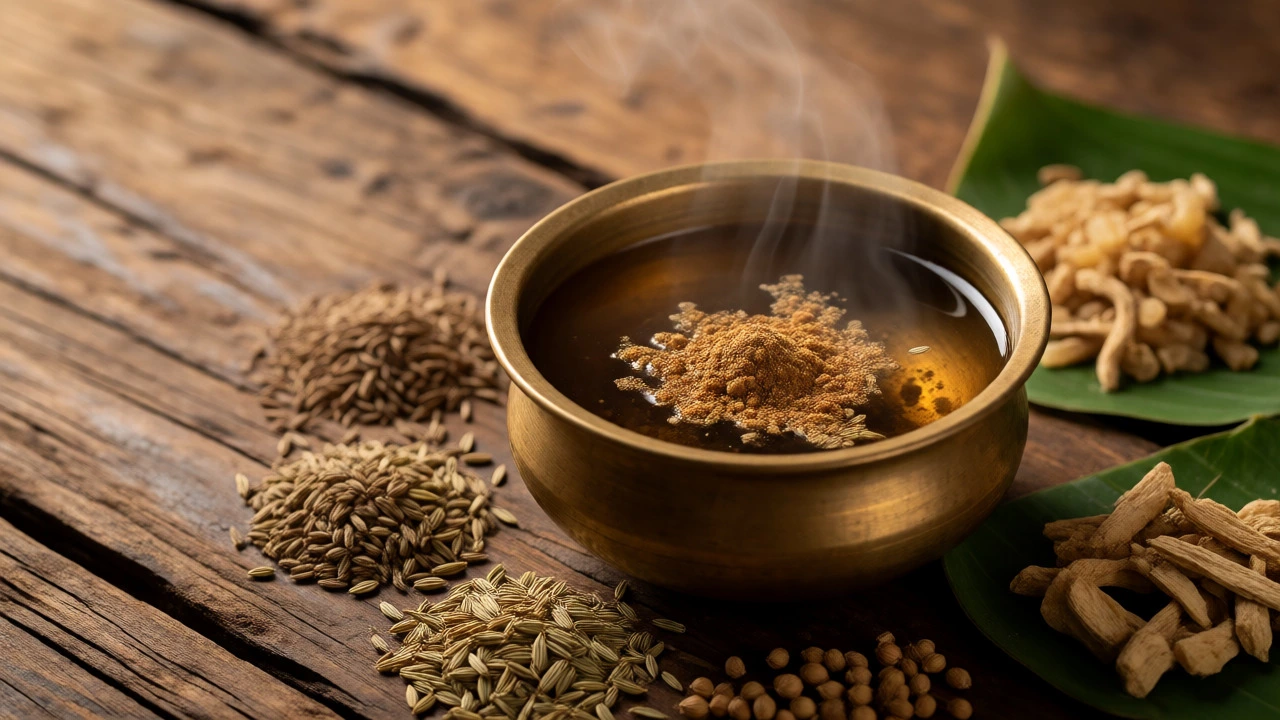
Regardless of your Dosha, Cumin-Coriander-Fennel (CCF) tea is generally safe and beneficial for kindling Agni (digestive fire). Steep ½ tsp of each seed in hot water for 10 minutes. Drink warm after meals to reduce bloating and prevent Ama formation.
Most people think losing belly fat is just about eating fewer calories and doing more crunches. But if you have tried every diet under the sun and that stubborn midsection still refuses to budge, the problem might not be your willpower. It could be your digestion. In Ayurveda, an ancient Indian system of medicine focused on balancing the body's energies, belly fat is rarely seen as a simple storage issue. It is viewed as a symptom of poor metabolic fire, known as Agni. When your Agni is weak, food doesn't turn into energy; it turns into Ama, or toxic waste, which settles in the abdomen.
This perspective changes everything. Instead of starving yourself, you focus on heating up your system. You stop treating your stomach like a trash can and start treating it like an engine. So, which specific Ayurvedic practices actually work? Is it Triphala? Is it Guggul? Or is it something simpler? Let’s break down the most effective remedies, how they work, and what you need to do to make them stick.
Understanding the Root Cause: Why Your Belly Won’t Shrink
To pick the right remedy, you first need to understand why the fat is there. Ayurveda categorizes people into three body types, or Doshas: Vata (air/space), Pitta (fire/water), and Kapha (earth/water). Belly fat is primarily associated with an aggravated Kapha Dosha and accumulation of Ama due to slow metabolism.
If you are Kapha-dominant, you likely gain weight easily, feel sluggish after meals, and crave heavy, sweet foods. Your metabolism is naturally slow. If you are Vata-dominant but bloated, you might have irregular digestion and anxiety-induced stress eating. Pitta types usually don’t struggle with belly fat unless they have inflammation issues. The key here isn’t just "losing weight"-it’s fixing the digestive fire so your body stops storing excess waste in the abdominal region.
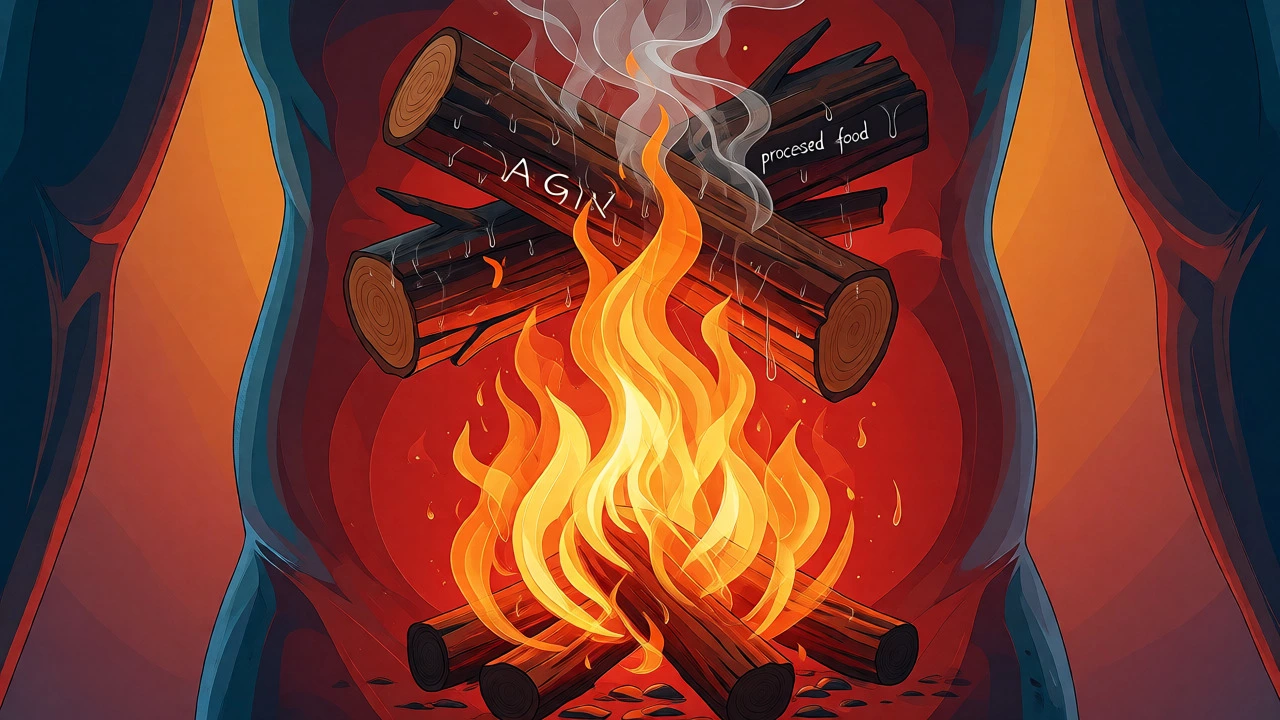
Think of your metabolism as a campfire. If you throw wet logs (heavy, cold, processed foods) onto a small fire, it smokes and produces ash (Ama). That ash piles up. Ayurvedic remedies aim to dry out the wet logs and blow on the fire until it burns hot and clean.
Top Ayurvedic Herbs for Targeting Abdominal Fat
Not all herbs are created equal. Some are mild tonics, while others are potent metabolic stimulants. Here are the heavy hitters specifically recommended for reducing abdominal circumference.
| Herb | Primary Action | Best For | How to Use |
|---|---|---|---|
| Triphala | Gentle detox, bowel regularity | Chronic constipation, general maintenance | 1 tsp powder in warm water before bed |
| Guggul | Lipid metabolism, breaks down fat tissue | Stubborn fat, high cholesterol | Tablets with warm milk or water |
| Garcinia Cambogia | Appetite suppression, blocks fat production | Emotional eaters, sugar cravings | Extract capsules before meals |
| Ashwagandha | Cortisol reduction, stress management | Stress belly, night-time snacking | Root powder in warm milk at night |
| Cumin-Coriander-Fennel Tea | Boosts Agni, reduces bloating | Post-meal digestion, gas | Steep seeds in hot water, drink after lunch |
Triphala is often the first recommendation because it is safe for long-term use. It is a blend of three fruits: Amalaki, Bibhitaki, and Haritaki. It doesn’t force weight loss through laxatives; instead, it cleanses the colon gently. A clean gut means better nutrient absorption and less toxin buildup. If your belly feels hard and distended, Triphala helps soften that stagnation.
Guggul is different. It is a resin from the Commiphora wightii tree. Studies suggest it influences thyroid function and lipid profiles. It literally helps break down adipose tissue. However, it is potent. People with hyperthyroidism should avoid it. If you have been carrying the same weight for years despite dieting, Guggul might be the missing link.
Ashwagandha addresses the cortisol factor. High stress leads to high cortisol, which signals the body to store fat specifically around the belly. This is often called "stress belly." By lowering cortisol levels, Ashwagandha removes the hormonal signal to hoard fat. It won’t burn fat directly, but it stops you from adding more.
The Power of Digestive Spices: Kitchen Pharmacy
You don’t always need supplements. Sometimes, the best Ayurvedic medicine is sitting in your spice rack. The combination of Cumin, Coriander, and Fennel is famously known as "CCF tea." This trio works synergistically to kindle Agni without overheating the body.
Cumin stimulates bile production, helping digest fats. Coriander cools the stomach and reduces acidity. Fennel relaxes the intestinal muscles, relieving gas. Drinking this tea after meals prevents the formation of Ama. If you skip this step, even healthy food can ferment in a weak gut, turning into belly bloat.
Another powerful tool is Trikatu, a mix of black pepper, long pepper, and ginger. This is pure fire. It is excellent for Kapha types who feel heavy and lethargic. A pinch of Trikatu with honey can jumpstart a sluggish metabolism. But be careful-if you have ulcers or acid reflux, skip this one.
Dietary Adjustments: What to Eat and What to Avoid
Taking herbs won’t help if you continue eating foods that dampen your digestive fire. Ayurveda prescribes specific dietary rules for weight loss. These aren’t just "eat less" rules; they are about food quality and timing.
- Avoid Cold Drinks: Ice-cold water extinguishes Agni. Drink warm or room-temperature water throughout the day. Warm water helps dissolve fat deposits.
- Stop Eating After Sunset: Digestion slows down at night. Eating late creates Ama. Try to finish dinner by 7 PM.
- Reduce Dairy: Milk is cooling and heavy. For weight loss, switch to goat milk or dilute cow’s milk with water and spices like turmeric or ginger. Avoid cheese and ice cream entirely during the active phase.
- Favor Bitter and Astringent Tastes: These tastes reduce Kapha. Think leafy greens, kale, broccoli, lentils, and pomegranates. They scrape away excess tissue.
- Limit Sweet, Sour, and Salty: These tastes increase Kapha and fluid retention. Cut back on bread, pasta, sugary fruits, and salty snacks.
One common mistake is skipping breakfast. In Ayurveda, the morning is when Kapha is highest. Skipping breakfast can lead to overeating later. Start with something light and warm, like stewed apples with cinnamon or a bowl of oatmeal cooked with ghee and cardamom.

Lifestyle Practices That Accelerate Results
Ayurveda is holistic. You cannot separate the mind from the body. Stress, sleep, and movement all play critical roles in belly fat reduction.
Abhyanga (Self-Massage): Massaging your abdomen with warm sesame oil or castor oil improves circulation and lymphatic drainage. Castor oil packs are particularly effective for breaking down deep-seated fat and relieving constipation. Apply a cloth soaked in warm castor oil to your belly for 30 minutes twice a week.
Yoga Asanas: Certain poses compress the abdominal organs, massaging them internally. Ustrasana (Camel Pose), Bhujangasana (Cobra Pose), and Dhanurasana (Bow Pose) stretch the front body and stimulate the digestive tract. Even ten minutes of these daily can change how your belly looks and feels.
Sleep Hygiene: Lack of sleep increases ghrelin (the hunger hormone). Aim to be asleep by 10 PM. The hours between 10 PM and 2 AM are considered "Pitta time," where the body repairs itself. Staying up late disrupts this repair cycle and leads to next-day cravings.
Realistic Expectations and Safety
Here is the truth: Ayurveda is slow. It is not a crash diet. You might see results in 4 to 6 weeks. The goal is sustainable change, not quick fixes that rebound. If you lose 5 pounds in a week on a keto diet but gain it back immediately, that is not success. Losing 1 pound a week that stays off forever is success.
Also, consult a practitioner before starting strong herbs like Guggul or Trikatu, especially if you are pregnant, nursing, or on medication for diabetes or blood pressure. Ayurvedic herbs interact with drugs. For example, Ashwagandha can lower blood sugar, so monitor your levels if you are diabetic.
Start small. Pick one herb, adjust your meal times, and add the CCF tea. See how your body responds. Listen to your digestion. If you feel lighter, clearer, and more energetic, you are on the right track. Belly fat loss is a side effect of good health, not the other way around.
Which Ayurvedic medicine is fastest for belly fat?
There is no single "fastest" pill, but Trikatu and Guggul are among the most potent metabolic stimulators. However, speed depends on your consistency with diet and lifestyle changes. Combining Guggul with a low-Kapha diet typically yields visible results within 4-6 weeks.
Can I take Triphala and Guggul together?
Yes, they are often prescribed together. Triphala cleanses the intestines, while Guggul metabolizes fat. This combination addresses both elimination and breakdown of stored tissue. Always follow dosage instructions provided by a qualified Ayurvedic doctor.
Does drinking warm water really help lose belly fat?
In Ayurvedic theory, yes. Warm water aids digestion and helps liquefy Ama (toxins). Cold water solidifies fats and slows metabolism. While it won't melt fat alone, it supports the body's ability to process food efficiently, preventing new accumulation.
Is Ayurveda suitable for everyone trying to lose weight?
Generally, yes, but the approach varies by Dosha. A Vata type needs grounding and nourishment, while a Kapha type needs stimulation and lightness. Taking the wrong remedy (e.g., too much drying spice for a Vata person) can cause imbalance rather than weight loss.
How long does it take to see results with Ayurvedic weight loss?
Expect gradual progress. Most practitioners advise sticking to a regimen for at least 90 days. This aligns with the body's cellular turnover cycles. Early signs include reduced bloating and better energy, followed by measurable fat loss.




Write a comment