
Anti-Inflammatory Supplement Planner
Your Protocol
Select supplements from the list to build your plan.
You wake up with stiff joints. Your knees feel like they’re filled with sand after a morning walk. Maybe your skin is acting up, or you just have that persistent low-grade ache that never really goes away. If this sounds familiar, you might be dealing with chronic inflammation. It’s not the good kind-the swelling you get after a paper cut that heals in days. This is the silent, systemic type that keeps your body on high alert, draining your energy and potentially damaging tissues over time.
While diet and lifestyle changes are the foundation of managing inflammation, many people look to supplements to bridge the gap. But with hundreds of products promising relief, how do you know which ones actually work? The answer isn’t one-size-fits-all. Different compounds target different inflammatory pathways. Let’s break down the most effective, evidence-backed options so you can make a smart choice for your body.
The Gold Standard: Curcumin from Turmeric
If you ask any functional medicine practitioner about natural anti-inflammatories, Curcumin is the active compound in turmeric (Curcuma longa) known for its potent anti-inflammatory and antioxidant properties. will likely name it first. For centuries, Ayurvedic and Traditional Chinese Medicine have used turmeric root for pain and swelling. Modern science has caught up, revealing that curcumin blocks NF-kB, a molecule that travels into the nuclei of cells and turns on genes related to inflammation.
Here’s the catch: curcumin is notoriously hard for your body to absorb. If you take plain turmeric powder, most of it passes right through you. To get real results, you need a formulation that includes Piperine is a compound found in black pepper that enhances the bioavailability of curcumin by up to 2000%.. Black pepper extract doesn’t just taste good; it stops your liver from breaking down curcumin too quickly. Alternatively, look for liposomal curcumin or formulas paired with healthy fats like phospholipids. Studies suggest that taking 500mg to 1,000mg of standardized curcumin daily can reduce joint pain comparable to some non-steroidal anti-inflammatory drugs (NSAIDs), but without the stomach upset.
Omega-3 Fatty Acids: The Cellular Lubricant
Next on the list is Omega-3 fatty acids are essential polyunsaturated fats, specifically EPA and DHA, that help resolve inflammation at the cellular level.. You’ve probably heard that fish oil is good for your heart, but its role in inflammation is equally critical. Unlike NSAIDs, which block the production of inflammatory prostaglandins, omega-3s actively resolve inflammation. They provide the raw materials for resolvins and protectins-specialized molecules that tell your immune system to stand down once a threat is neutralized.
The ratio matters more than the total amount. Most modern diets are heavy in Omega-6 fats (found in vegetable oils), which can promote inflammation if unbalanced. To counteract this, aim for a supplement with a high concentration of EPA (eicosapentaenoic acid) and DHA (docosahexaenoic acid). A therapeutic dose for inflammation often requires 2,000mg to 3,000mg of combined EPA/DHA per day. Look for molecularly distilled fish oil to ensure purity from heavy metals. If you’re vegan, algae-based omega-3s are a viable alternative, though you may need to check the specific EPA/DHA content as it varies widely between brands.
Boswellia Serrata: The Joint Specialist
While curcumin is a generalist, Boswellia serrata is an Indian frankincense tree resin extract that specifically inhibits the 5-LOX enzyme, reducing leukotriene-induced inflammation. is a specialist. This ancient herb has gained traction in recent years for treating osteoarthritis and rheumatoid arthritis. The key mechanism here is the inhibition of the 5-lipoxygenase (5-LOX) enzyme. When 5-LOX is overactive, it produces leukotrienes, chemicals that cause swelling and pain in joints and airways.
Not all Boswellia extracts are created equal. Standardized extracts containing at least 65% boswellic acids are required for clinical efficacy. Some newer formulations use AKBA (acetyl-11-keto-beta-boswellic acid), which is considered the most potent component. If your primary issue is knee or hip pain, Boswellia might offer faster relief than turmeric alone. Many users report noticeable improvement in mobility within four to six weeks of consistent use.

Ginger Root: The Digestive Ally
Ginger root (Zingiber officinale) is a rhizome spice containing gingerols and shogaols that inhibit cyclooxygenase and lipoxygenase enzymes. isn’t just for settling an upset stomach. Ginger contains gingerols and shogaols, compounds that share similar mechanisms with ibuprofen. They block COX and LOX enzymes, effectively stopping the inflammatory cascade before it starts. What makes ginger unique is its dual action: it reduces systemic inflammation while also protecting the gut lining.
This is crucial because chronic inflammation often correlates with gut permeability, commonly known as "leaky gut." By soothing the digestive tract, ginger addresses a potential source of inflammatory triggers. You can consume ginger as a tea, add fresh root to meals, or take capsules. For therapeutic effects, studies often use doses ranging from 1g to 3g of dried ginger powder equivalent per day. It’s particularly effective for menstrual cramps and exercise-induced muscle soreness.
Vitamin D3: The Immune Regulator
Sometimes, the best anti-inflammatory isn’t an herb, but a vitamin. Vitamin D3 (Cholecalciferol) is a fat-soluble vitamin that functions as a hormone, regulating immune response and reducing pro-inflammatory cytokines. deficiency is shockingly common, especially in regions with limited sunlight or among older adults. Vitamin D receptors are present on almost every cell type involved in the immune system. When levels are low, your immune system tends to overreact, leading to chronic, low-grade inflammation.
Before supplementing, it’s wise to get your blood levels checked. Optimal levels for immune function are generally considered to be above 40 ng/mL. If you’re deficient, a doctor might recommend a higher loading dose initially, followed by a maintenance dose of 1,000 to 4,000 IU daily. Always take Vitamin D3 with K2 and a meal containing fat to maximize absorption and ensure calcium is directed to bones rather than arteries.
| Supplement | Primary Mechanism | Best For | Typical Dosage | Key Consideration |
|---|---|---|---|---|
| Curcumin | Blocks NF-kB pathway | General inflammation, joint pain | 500-1000mg/day | Must include piperine or lipids |
| Omega-3 (EPA/DHA) | Produces resolvins | Cardiovascular health, autoimmune issues | 2000-3000mg EPA+DHA | Check for freshness/purity |
| Boswellia | Inhibits 5-LOX enzyme | Osteoarthritis, RA, asthma | 300-500mg standardized extract | Look for >65% boswellic acids |
| Ginger | Blocks COX/LOX enzymes | Digestive inflammation, muscle soreness | 1-3g dried equivalent | May thin blood slightly |
| Vitamin D3 | Regulates immune cytokines | Deficiency-related inflammation | 1000-4000 IU/day | Test blood levels first |
Combining Strategies for Maximum Effect
Rather than picking just one, many experts recommend a synergistic approach. For example, combining curcumin and omega-3s can be powerful because they attack inflammation from different angles-one prevents the initiation, while the other promotes resolution. Similarly, pairing Vitamin D3 with Magnesium ensures that the vitamin can be properly metabolized by the body.
However, more isn’t always better. High doses of multiple anti-inflammatories can sometimes lead to gastrointestinal distress or interact with medications. For instance, both curcumin and ginger have mild blood-thinning effects. If you are on anticoagulants like warfarin, consult your doctor before starting these supplements. Start with one supplement, track your symptoms for four weeks, and then consider adding another if needed. This method helps you identify what actually works for your unique biology.
Lifestyle Factors That Amplify Supplement Benefits
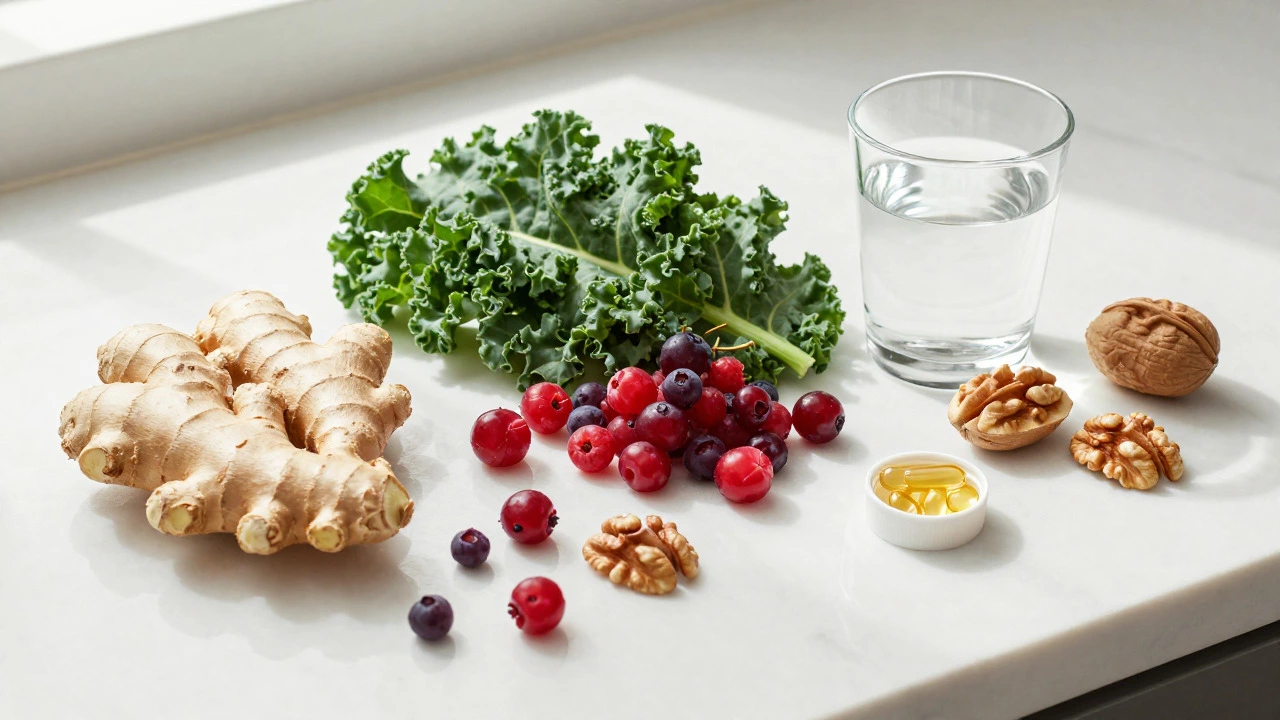
Supplements are tools, not magic bullets. Their effectiveness is heavily dependent on your baseline habits. No amount of curcumin will offset a diet high in processed sugars and trans fats, which are major drivers of inflammation. Focus on whole foods: leafy greens, berries, nuts, seeds, and fatty fish. These foods contain phytonutrients that work alongside your supplements.
Sleep is another critical factor. During deep sleep, your body releases cytokines that regulate inflammation. Chronic sleep deprivation keeps cortisol levels elevated, which disrupts this balance. Aim for seven to nine hours of quality sleep. Additionally, manage stress through mindfulness or gentle movement like yoga. Stress hormones directly fuel inflammatory pathways, making it harder for supplements to do their job. By aligning your lifestyle with your supplementation strategy, you create a sustainable environment for healing.
How long does it take for anti-inflammatory supplements to work?
Most natural anti-inflammatory supplements are not instant fixes. While ginger might provide some relief within hours for acute pain, compounds like curcumin, omega-3s, and Boswellia typically require consistent daily use for four to eight weeks to build up in your system and show measurable results in chronic conditions. Patience and consistency are key.
Can I take anti-inflammatory supplements with prescription medication?
It depends on the medication. Supplements like curcumin, ginger, and omega-3s have mild blood-thinning properties. If you are taking anticoagulants (like Warfarin or Aspirin) or NSAIDs, there is a risk of increased bleeding. Always consult your healthcare provider before combining supplements with prescription drugs to avoid adverse interactions.
Is turmeric safe for everyone?
Turmeric is generally safe for most people when consumed in food amounts. However, high-dose supplements may cause stomach upset in some individuals. People with gallbladder disease or bile duct obstruction should use caution, as turmeric stimulates bile production. Those prone to kidney stones should also monitor intake due to oxalate content.
What is the difference between Omega-3 fish oil and algae oil?
Fish oil is derived from the tissue of oily fish and contains both EPA and DHA. Algae oil is derived from marine microalgae, which is the original source of omega-3s in the food chain. Algae oil is suitable for vegans and vegetarians. While both are effective, fish oil often provides a higher concentration of EPA, which is particularly beneficial for inflammation, whereas algae oil is rich in DHA, crucial for brain health.
Should I choose synthetic or natural anti-inflammatories?
Natural supplements offer a holistic approach with fewer side effects for long-term use, but they act more slowly. Synthetic NSAIDs (like Ibuprofen) provide rapid, potent relief but carry risks of stomach ulcers, kidney strain, and cardiovascular issues with prolonged use. For acute injury, synthetics may be necessary. For chronic management, natural supplements are often preferred for sustainability.




Write a comment