
Nerve Repair Supplement Estimator
Select your primary symptoms and risk factors to generate a personalized supplement strategy based on clinical guidelines for nerve repair.
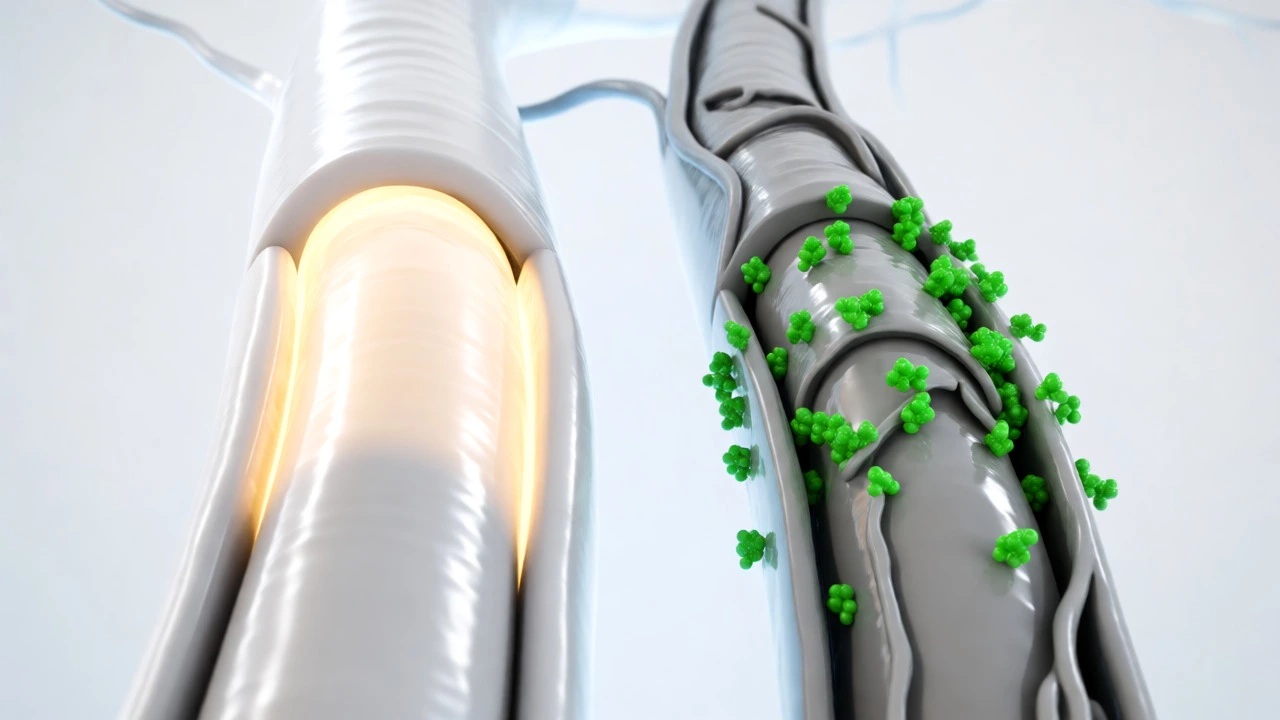
You wake up with that familiar tingling in your toes, or maybe a burning sensation shoots up your leg when you try to sleep. It’s frustrating, isn’t it? You’ve probably been told it’s just "aging" or something you have to live with. But here is the thing: nerves are resilient. They can heal, but they need the right building blocks to do it. If you’re searching for the best vitamin to repair nerve damage, you aren’t looking for a magic pill that fixes everything overnight. You are looking for specific nutrients that support the myelin sheath-the protective coating around your nerves-and reduce the inflammation that stops them from working properly.
Let’s cut through the noise. There isn’t one single "miracle" vitamin. Instead, there is a powerhouse trio that clinical studies consistently back up. This guide breaks down exactly which vitamins matter, why they work, and how to use them without wasting money on supplements that don’t do a thing.
The Heavy Hitter: Vitamin B12 (Cobalamin)
If you only take one supplement for nerve health, make it this one. Vitamin B12 is a water-soluble vitamin essential for maintaining the health of the nervous system and blood cells. Specifically, it plays a critical role in the formation of myelin, the fatty substance that insulates your nerves and allows electrical signals to travel quickly.
Why does this matter? When your B12 levels drop, your body starts producing abnormal red blood cells, but more importantly for you, the myelin sheath begins to degrade. This degradation leads to paresthesia-that pins-and-needles feeling-or numbness. In severe cases, it causes permanent nerve damage if left unchecked.
Here is the catch: not all B12 is created equal. Many cheap multivitamins use cyanocobalamin, a synthetic form that your body has to convert before it can use it. If you have genetic variations (like MTHFR mutations), this conversion process is slow or inefficient. For nerve repair, look for methylcobalamin or adenosylcobalamin. These are bioactive forms that your nerves can use immediately. Studies suggest that high-dose oral supplementation (often 1,000 mcg daily) can significantly improve symptoms of diabetic neuropathy and peripheral nerve injury within weeks.
The Antioxidant Shield: Alpha-Lipoic Acid
While technically an antioxidant rather than a traditional vitamin, Alpha-Lipoic Acid (ALA) is a naturally occurring compound that helps convert glucose into energy and neutralizes free radicals. It is unique because it works in both water and fat environments, allowing it to penetrate nerve cells directly.
Think of ALA as the cleanup crew. High blood sugar and physical trauma create oxidative stress, which damages nerve fibers. ALA scavenges these harmful molecules and regenerates other antioxidants like Vitamin C and E. Clinical trials, particularly those focused on diabetic peripheral neuropathy, have shown that 600 mg of R-ALA (the natural form) daily can reduce pain, burning, and numbness. It doesn’t just mask the pain; it addresses the underlying metabolic stress causing the nerve irritation.
The Structural Support: Vitamin D3
You might know Vitamin D for bone health, but its role in neurology is massive. Vitamin D3 is a secosteroid hormone that regulates calcium absorption and modulates immune responses. Receptors for Vitamin D are found throughout the central and peripheral nervous systems.
A lack of Vitamin D is strongly linked to increased risk of multiple sclerosis and general neuropathic pain. It helps regulate the production of nerve growth factor (NGF), a protein vital for the survival and maintenance of neurons. If your levels are low, your nerves struggle to repair themselves after injury. Getting your levels tested is crucial. Most experts recommend keeping serum levels between 40-60 ng/mL for optimal neurological function. Since we live in Sydney where sun exposure varies, many people are surprisingly deficient despite the sunny reputation.
Beyond the Big Three: Supporting Cast
Nerves don’t work in isolation. To truly optimize repair, you need a broader spectrum of support.
- Vitamin B1 (Thiamine): Essential for nerve impulse transmission. Deficiency causes beriberi, characterized by loss of sensation and muscle weakness. Benfotiamine, a fat-soluble form of B1, is often recommended for better absorption in nerve tissues.
- Vitamin B6: Helps synthesize neurotransmitters. However, caution is needed here. Too much B6 (over 100mg daily long-term) can actually cause nerve toxicity. Stick to moderate doses unless directed by a doctor.
- Magnesium: Acts as a natural calcium channel blocker, calming overexcited nerves. It also supports the structural integrity of nerve cells.
How to Choose the Right Supplement Strategy
Walking into a pharmacy can be overwhelming. Here is a simple framework to decide what you need based on your specific situation.
| Nutrient | Primary Function | Recommended Form | Typical Dosage Range | Best For |
|---|---|---|---|---|
| Vitamin B12 | Myelin Sheath Repair | Methylcobalamin | 1,000 - 5,000 mcg | Tingling, Numbness, Diabetic Neuropathy |
| Alpha-Lipoic Acid | Oxidative Stress Reduction | R-Lipoic Acid | 300 - 600 mg | Burning Pain, High Blood Sugar Damage |
| Vitamin D3 | Neuroprotection & Immune Modulation | Cholecalciferol | 1,000 - 5,000 IU | General Nerve Health, Chronic Pain |
| Vitamin B1 | Energy Metabolism in Nerves | Benfotiamine | 150 - 300 mg | Diabetic Neuropathy, Alcohol-related Damage |
Notice the distinction in forms. Always prioritize bioavailable forms. Your body absorbs methylated B-vitamins and fat-soluble derivatives far more efficiently than their standard counterparts. If you have digestive issues, consider sublingual (under the tongue) B12 sprays or patches, as they bypass the stomach entirely.

Lifestyle Factors That Sabotage Nerve Repair
Taking pills won’t fix the problem if your lifestyle is actively fighting against healing. Nerves require stable blood sugar and good circulation to recover.
First, manage your blood glucose. High sugar levels act like shards of glass inside your small blood vessels, starving nerves of oxygen. Second, quit smoking. Nicotine constricts blood vessels, reducing the flow of nutrients to damaged nerves. Third, prioritize sleep. Nerve regeneration primarily occurs during deep sleep cycles. If you are waking up groggy, your recovery window is shrinking.
Also, watch out for alcohol. While a casual drink is fine, chronic alcohol consumption is toxic to nerve tissue. It depletes B-vitamins and directly damages the axons (the long tails of nerve cells). If you are trying to repair damage, cutting back on alcohol is non-negotiable.
When Supplements Aren’t Enough
It’s important to set realistic expectations. Vitamins support repair; they don’t reconstruct severed nerves. If you have suffered a traumatic injury, such as a herniated disc compressing a nerve root, supplements will help manage symptoms and support overall health, but they won’t un-pinch the nerve. In those cases, physical therapy, ergonomic adjustments, or medical intervention are necessary alongside nutritional support.
Furthermore, if you experience sudden weakness, loss of bladder control, or rapid progression of numbness, see a specialist immediately. These could be signs of conditions like Guillain-Barré syndrome or acute spinal compression, which require urgent medical care, not just a trip to the health food store.
Practical Tips for Starting Your Regimen
Ready to start? Here is a simple checklist to get you going without confusion:
- Get Tested: Before megadosing, ask your GP for a blood panel including Vitamin B12, Folate, and Vitamin D. Knowing your baseline prevents guesswork.
- Start Low: Begin with standard doses to check for tolerance. Some people experience nausea with high-dose B vitamins initially.
- Be Consistent: Nerves heal slowly. Give any new regimen at least 8-12 weeks to show noticeable improvement.
- Combine with Exercise: Gentle movement, like walking or swimming, increases blood flow to extremities, helping deliver those vitamins to the site of damage.
Can I reverse nerve damage completely?
It depends on the severity and duration of the damage. Mild compression or chemical irritation often reverses fully with proper nutrition and time. Severe degeneration may result in partial recovery, where sensation improves but doesn't return to 100%. Early intervention yields the best results.
Is it safe to take B12 and B6 together?
Yes, they are often taken together in B-complex formulas. However, monitor your B6 intake. Long-term use of high doses (above 100mg/day) can paradoxically cause neuropathy. Look for balanced formulations where B6 is present but not dominant compared to B12.
How long does it take for vitamins to help nerve pain?
Most people report subtle changes within 4-6 weeks, with significant improvements typically seen after 3 months. Nerves regenerate slowly-approximately 1mm per day under ideal conditions-so patience is key.
Are there side effects to Alpha-Lipoic Acid?
Generally, it is well-tolerated. Some users experience mild gastrointestinal upset or a rash. Taking it with food can reduce stomach discomfort. It may also lower blood sugar, so diabetics should monitor their levels closely when starting ALA.
Do I need prescription-strength B12?
Not necessarily. Over-the-counter high-dose oral methylcobalamin (1,000mcg+) is often effective for most people. Prescription injections are usually reserved for those with malabsorption issues, such as pernicious anemia or post-gastric bypass patients.



Write a comment