Knee Replacement: What to Expect After Surgery and How to Recover Right
When you get a knee replacement, a surgical procedure where damaged knee joint surfaces are replaced with artificial components to relieve pain and restore movement. Also known as total knee arthroplasty, it’s one of the most successful orthopedic surgeries done today—helping millions move again without constant pain. But surgery is just the start. The real work begins in the weeks and months after you leave the hospital. Your new knee isn’t like a new phone—you can’t just turn it on and expect it to work perfectly. It needs time, care, and smart habits to heal right.
Recovery isn’t just about resting. It’s about rebuilding strength, learning how to move safely, and adjusting your daily routines. Many people assume they’ll be back to normal in a few weeks, but the truth is more complex. Your recovery time, the period it takes to regain mobility, reduce swelling, and return to regular activities after knee replacement surgery depends on your age, health, job type, and how well you follow rehab instructions. Someone in their 50s with a desk job might return to work in 4 to 6 weeks. Someone in their 70s with a physically demanding job might need 3 to 6 months. And while most people regain near-normal movement, there are permanent restrictions, long-term activity limits advised after knee replacement to protect the artificial joint from wear and damage—like avoiding deep squats, high-impact sports, or kneeling for long periods. These aren’t arbitrary rules. They’re based on decades of data showing what wears down implants faster.
And it’s not just about getting up and walking. How you sit, stand, climb stairs, or use the toilet matters more than you think. Poor posture or rushing movement can cause stiffness, pain, or even dislocation in the early days. That’s why guides on post-surgery care, the specific practices and tools used to support healing and prevent complications after knee replacement—like raised toilet seats, grab bars, and walking aids—are so important. Even small changes, like how you get in and out of bed or how long you sit before standing, can speed up or slow down your progress.
You’ll find real answers here—not guesses, not marketing fluff. How long should you actually be off work? Can you avoid surgery if you’re bone-on-bone? What’s the truth about bed rest? Why do some people recover fast and others struggle for months? These aren’t theoretical questions. People are asking them every day, and the answers are different for everyone. Below, you’ll find detailed, no-nonsense guides based on real experiences and medical evidence. Whether you’re preparing for surgery, just had it, or helping someone who did, this collection gives you what you need to move forward—safely, smartly, and without surprises.

How Long Does It Take to Poop After Knee Surgery?
After knee surgery, it's common to go 3-5 days without a bowel movement due to pain meds, reduced movement, and dehydration. Learn what causes it, how to prevent it, and when to call your doctor.
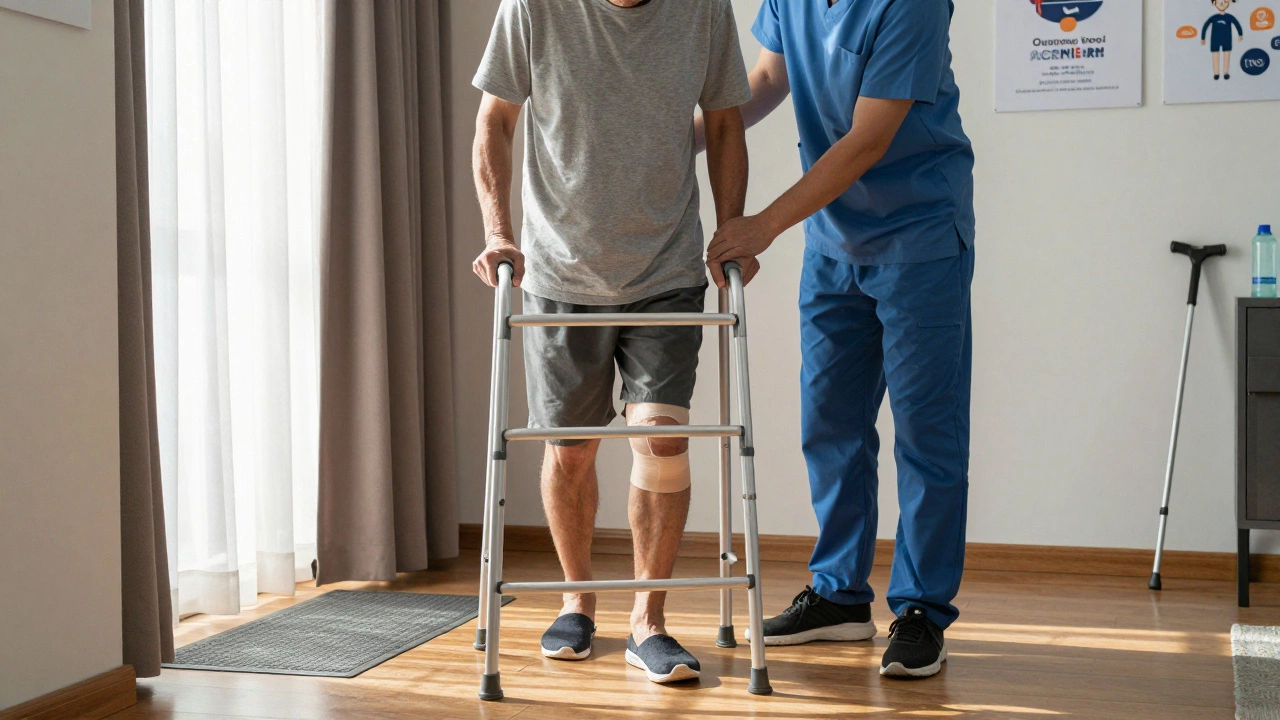
How Long Will I Need a Walker After Knee Replacement?
Most people use a walker for 2 to 4 weeks after knee replacement, but recovery varies. Learn the timeline, signs you're ready to stop, and what to do if you're still using it after six weeks.

How Bad Does a Knee Have to Be Before It’s Replaced?
If knee pain is stopping you from walking, sleeping, or doing daily activities, it’s likely time to consider replacement. Pain level, mobility loss, and failed treatments are better indicators than X-rays alone.

What Is the Regret Rate for Knee Replacement Surgery?
About 14% of patients report regret after knee replacement surgery, mostly due to unmet expectations. Most find lasting pain relief and improved mobility, but recovery takes time and realistic goals matter.

Toilet Sitting Tips After Knee Replacement Surgery
Learn safe toilet‑sitting techniques after knee replacement, including equipment, step‑by‑step positioning, common mistakes, and a rehab timeline to speed healing.

Knee Replacement Permanent Restrictions: What You Need to Know
After a knee replacement, most people expect to get back to their normal lives, but some permanent restrictions always stick around. This article gives you clear info on what activities you might need to avoid for good, along with practical tips for protecting your new joint. We’ll break down what your doctor really means by ‘permanent limits’ and why they matter. You’ll also learn how these rules affect travel, sports, and everyday life. Get ready for a straight-up look at what changes—and what doesn’t—after knee replacement.

How Long After Knee Replacement Can I Work: Real Recovery Timelines
Wondering when you can get back to work after knee replacement? This article breaks down real recovery timelines, what impacts your return, and tips for a smoother comeback. Get the facts on different job types, how complications can slow you down, and what you can actually expect in those first few months. Forget sugarcoating—here’s what the process really looks like. We’ll also share pointers to help you bounce back safely.

Knee Replacement: How Long Will You Be Off Work?
Wondering when you can get back to work after knee replacement? This guide breaks down what affects your return date, how your job type matters, and what recovery actually looks like day by day. You'll also get tips for making your comeback smoother and find out what to expect if things don't go perfectly. No nonsense—just real info you can use if surgery is on your mind.

How Long Is Bed Rest After Knee Replacement? Get the Real Recovery Timeline
Wondering how long you’ll be stuck in bed after knee replacement surgery? This article gives a realistic breakdown of what to expect, from your first days post-op to getting back on your feet. You’ll learn why jumping to too much activity can backfire, how to ease common worries about movement, and practical tips to keep your recovery moving. Forget vague promises—get real, useful info you can use right at home. Recovery is a journey; know exactly what steps matter most and when.

How Many Days of Rest Do You Need After Knee Replacement?
Recovering from knee replacement surgery isn't a one-size-fits-all process. Factors like age, overall health, and whether the surgery was partial or total can affect how long you need to rest. Typically, many people find themselves back on their feet within a few weeks, but full recovery can take several months. Learn why giving yourself enough time to heal can make a world of difference.

How Long Does it Take a 70-Year-Old to Recover from Knee Surgery?
Recovering from knee surgery is a journey, especially for those around 70. While every patient's recovery time can vary, understanding the typical timeline and factors that influence healing can be incredibly helpful. Key aspects include initial hospital stay, the transition to home or rehab, and the gradual return to normal activities. With modern medical practices and personalized care, older adults are better equipped than ever to make a successful recovery.

Can You Avoid Knee Replacement if You're Bone-on-Bone?
Facing the prospect of knee replacement surgery can be daunting, especially when you're bone-on-bone. This article explores practical options for managing knee pain and finding relief through non-surgical means. Learn about lifestyle changes, physical therapy, and alternative treatments that may help you postpone or avoid surgery. Discover how diet, exercise, and other strategies can make a difference in your knee health. Get informed on ways to potentially delay the need for knee replacement by addressing pain and mobility issues head-on.