30-Day Weight Loss Goal Calculator
Enter your details to see what is realistically achievable in 30 days while preserving muscle mass.
Your Details
Progress Assessment
Enter your current and goal weight to calculate your 30-day plan.
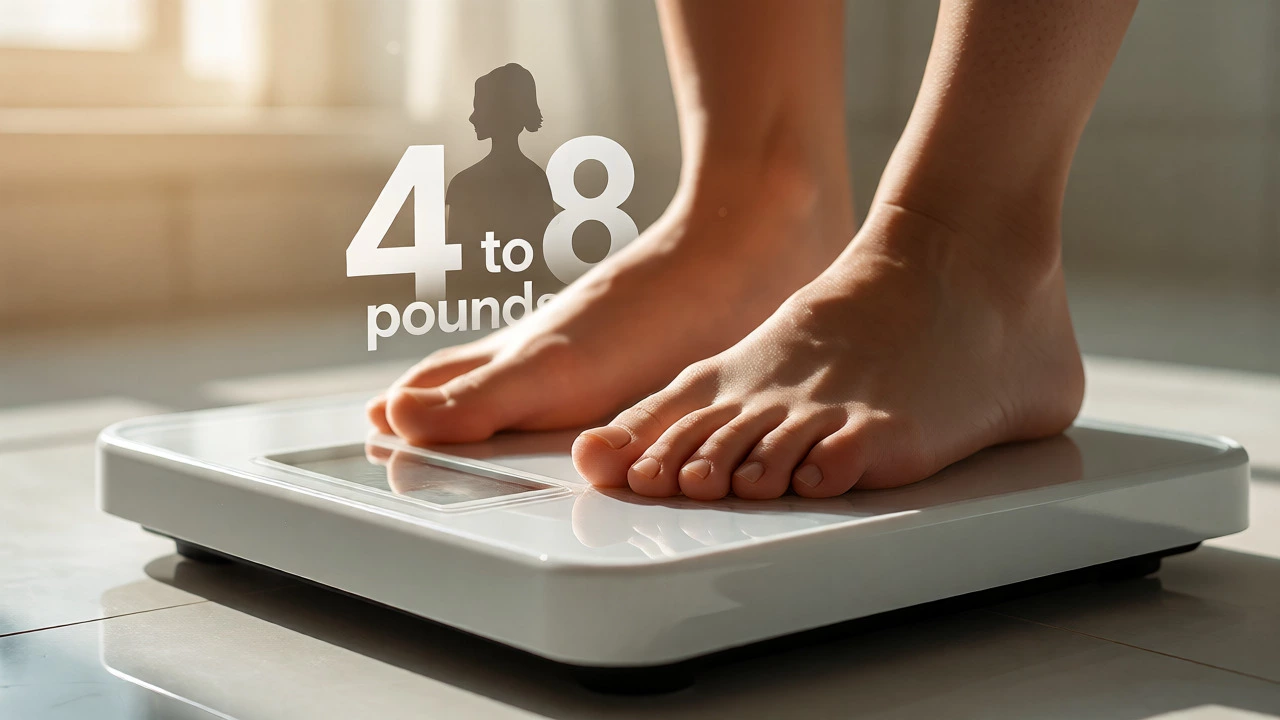
You see a friend drop two dress sizes in a month and wonder if you can do the same. Or maybe you just want to feel lighter before a big event. The number on the scale is tempting, but it’s not the whole story. So, how many pounds should you actually lose in 30 days? For most people, the sweet spot is between 4 and 8 pounds. This range keeps you safe, preserves your muscle, and helps the weight stay off long-term.
But here’s the catch: everyone starts at a different place. A person with 50 extra pounds will shed weight faster than someone trying to lose their last 5. That doesn’t mean one is doing better than the other. It’s just biology. Let’s break down what’s realistic, why speed matters less than consistency, and how to hit your goal without wrecking your metabolism.
The Safe Zone for Monthly Weight Loss
Healthy weight loss is a gradual reduction in body mass that prioritizes fat loss while maintaining lean muscle tissue and metabolic health. Most major health organizations, including the Centers for Disease Control and Prevention (CDC) and the National Health Service (NHS), recommend losing 1 to 2 pounds per week. Over four weeks, that adds up to 4 to 8 pounds.
Why this specific range? Because your body fights back when you starve it. If you cut calories too aggressively, your metabolism slows down to conserve energy. You might lose 15 pounds in a month, but much of that could be water weight and muscle mass, not fat. When you start eating normally again, the weight returns quickly because your engine is running slower than before.
Think of it like driving a car. If you floor the gas pedal (extreme dieting), you get there fast but burn out the engine. If you drive at a steady speed (moderate deficit), you arrive safely and keep the car running well for years.
Why Your Starting Point Changes the Math
If you have more weight to lose, you’ll likely see bigger numbers on the scale early on. This isn’t magic; it’s simple physics. Heavier bodies require more energy to move and function. A person weighing 250 pounds burns significantly more calories just sitting around than someone weighing 150 pounds.
- Higher starting weight: Expect losses closer to 8-12 pounds in the first month. This includes initial water weight as your body adjusts to lower carbohydrate intake.
- Moderate starting weight: Aim for 4-6 pounds. Progress feels slower because your body is already relatively efficient.
- Last few pounds: Losing 1-2 pounds per month is normal and healthy. Trying to force faster results here often leads to frustration and yo-yo dieting.
Don’t compare your week-one results to someone else’s. Their journey started at a different altitude. Focus on your own trend line, not the absolute number.
Fat Loss vs. Weight Loss: Know the Difference
The scale lies. At least, it doesn’t tell the full truth. Two people can lose 5 pounds, but one loses mostly fat while the other loses muscle and water. You want to lose fat. Muscle is metabolically active tissue-it burns calories even when you’re sleeping. If you lose muscle, your daily calorie needs drop, making future weight loss harder.
How do you ensure you’re losing fat?
- Prioritize protein: Eat enough protein to protect muscle mass. Aim for 0.7 to 1 gram of protein per pound of target body weight.
- Lift weights: Resistance training signals your body to keep muscle. Even two sessions a week help.
- Track measurements: Sometimes the scale stays flat, but your waist shrinks. Use a tape measure or progress photos alongside the scale.
If you’re losing weight rapidly without strength training or adequate protein, you’re likely sacrificing muscle. Slow and steady wins this race because it protects your lean mass.
| Starting Weight Category | Expected Loss (Lbs) | Primary Composition | Risk Level |
|---|---|---|---|
| Over 250 lbs | 8-12 | Fat + Water | Low (if monitored) |
| 180-250 lbs | 4-8 | Fat Dominant | Very Low |
| Under 180 lbs | 2-4 | Fat + Some Water | Moderate (risk of muscle loss) |
The Role of Water Weight in the First Week
Most dramatic drops happen in week one. Why? Glycogen depletion. When you cut carbs or calories, your body uses up stored glycogen (sugar) in your muscles and liver. Glycogen holds water-about 3 grams of water for every gram of glycogen. As you burn through those stores, you release that water.
This means you might lose 5 pounds in seven days, but only 1-2 of those pounds are actual fat. Don’t panic if week two is slower. That’s when real fat loss begins. Consistency beats intensity here. If you stop after week one because progress slowed, you quit right when the hard work starts paying off.
Factors That Influence Your Results
Your environment and habits play a huge role in whether you hit 4 pounds or 8 pounds in a month.
Sleep and Stress
Bad sleep raises cortisol, a stress hormone that encourages fat storage, especially around the belly. If you’re getting less than 6 hours of sleep, your hunger hormones (ghrelin and leptin) go haywire. You’ll crave sugar and high-calorie foods. Fixing sleep can accelerate weight loss without changing your diet at all.
Activity Level
You don’t need to run marathons. Walking is underrated. Adding 3,000 steps a day can burn an extra 150 calories. Over a month, that’s nearly 5,000 calories-or about 1.5 pounds of fat. Combine walking with resistance training for best results.
Diet Quality
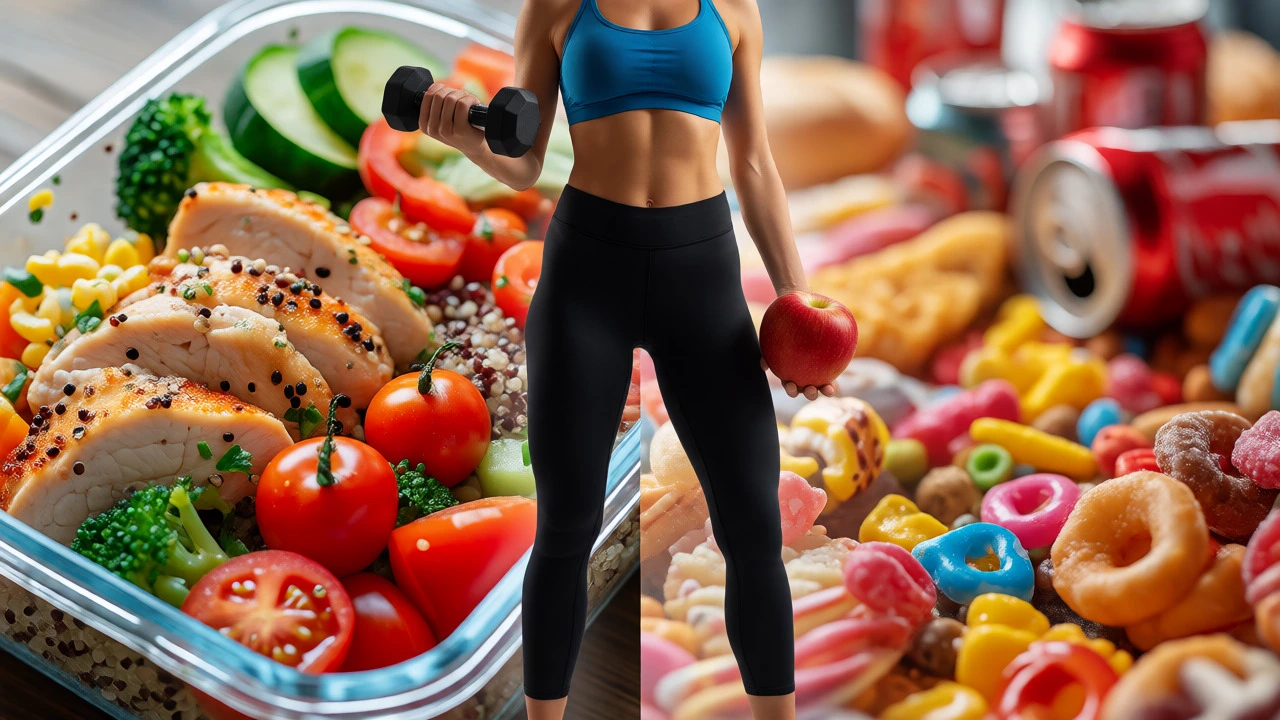
Calories matter, but food quality matters more for satiety. 1,500 calories of vegetables and lean chicken keeps you fuller than 1,500 calories of chips and soda. High-volume, low-calorie foods let you eat more while staying in a deficit.

When to Seek Professional Help
If you’ve tried everything and still can’t lose weight, or if you have significant health conditions, consider visiting a weight loss clinic. These clinics offer medical supervision, personalized plans, and sometimes prescription support to jumpstart progress.
A doctor can check for underlying issues like thyroid problems, insulin resistance, or hormonal imbalances. They can also provide accountability. Knowing you have an appointment next week makes you less likely to skip the gym or overeat on weekends.
Action Plan for the Next 30 Days
Ready to start? Here’s a simple checklist to maximize your results safely:
- Week 1: Cut sugary drinks and processed snacks. Drink half your body weight in ounces of water daily. Walk 20 minutes a day.
- Week 2: Increase protein intake. Add two strength-training sessions. Track your food intake loosely to understand portions.
- Week 3: Prioritize sleep. Aim for 7-8 hours nightly. Reduce alcohol consumption, which stalls fat burning.
- Week 4: Evaluate progress. Measure waist circumference. Adjust calories slightly if weight has stalled, but avoid drastic cuts.
Remember, the goal isn’t just to lose weight. It’s to build habits that keep you healthy. Losing 5 pounds and keeping them off is far better than losing 15 and gaining back 20.
Is losing 10 pounds in a month too fast?
For most people, yes. Losing 10 pounds in 30 days requires a severe calorie deficit, which can lead to muscle loss and nutrient deficiencies. However, individuals with obesity (BMI over 30) may safely lose this amount under medical supervision due to higher initial energy expenditure.
Why did I lose 5 pounds in the first week but nothing in the second?
The first week usually involves shedding water weight from reduced glycogen stores. Once that water is gone, you begin losing actual fat, which happens at a slower rate. This plateau is normal and indicates you are now in the true fat-loss phase.
Do I need to exercise to lose weight in 30 days?
No, you can lose weight through diet alone. Exercise improves health and body composition, but nutrition drives weight loss. However, adding movement helps preserve muscle and boosts mood, making it easier to stick to your diet.
What if my weight fluctuates daily?
Daily fluctuations of 2-5 pounds are common due to hydration, salt intake, and digestion. Weigh yourself at the same time each morning, then look at the weekly average rather than daily numbers to see the true trend.
Can men lose weight faster than women?
Generally, yes. Men typically have more muscle mass and higher testosterone levels, which increases basal metabolic rate. This allows them to burn more calories at rest and often lose weight slightly faster initially than women.



Write a comment