
20-Pound Weight Loss Estimator
Enter your details below to see if dropping 20 pounds in a specific timeframe is realistic for you, or calculate the pace needed for a standard 10-week goal.
Your Custom Plan
Enter your data and click Calculate to see your personalized metrics.
So, you want to drop 20 pounds fast. It’s a common goal, but let’s be honest: most advice out there is either too slow or too extreme. You’re probably looking at your calendar and wondering if it’s actually possible to shed that much weight without feeling like you’re starving yourself or living in the gym. The short answer? Yes, but only if you stop chasing "magic pills" and start respecting biology.
Here’s the reality check: losing 20 pounds isn’t just about willpower; it’s about math and metabolism. If you try to lose it all in two weeks, you’ll likely lose water weight and muscle, not fat. But if you aim for a safe, aggressive pace-say, 1.5 to 2 pounds per week-you can hit that 20-pound mark in about 10 to 14 weeks. That’s less than four months. Sounds doable? Let’s break down exactly how to get there, keeping in mind the lifestyle constraints of someone living in a busy city like Sydney.
The Math Behind Dropping 20 Pounds Fast
You’ve heard the phrase "calories in, calories out." It’s annoying because it’s oversimplified, but it’s still the foundation. To lose one pound of body fat, you need a deficit of roughly 3,500 calories. So, to drop 20 pounds, you need a total deficit of 70,000 calories.
If you want to do this in 10 weeks (a realistic "fast" timeframe), you need to burn 7,000 more calories than you eat each week. That breaks down to a daily deficit of 1,000 calories. For many people, cutting 1,000 calories from their plate alone is miserable. They end up bingeing on Friday nights. The smarter play? Split the difference. Cut 500 calories from your food and burn 500 extra through movement.
Think about your current intake. Most adults consume between 2,000 and 2,500 calories a day. Cutting 500 brings you down to 1,500-2,000. This is manageable if you focus on volume eating-eating large portions of low-calorie foods so you don’t feel deprived.
Nutrition Hacks That Actually Work
Diet drives 80% of weight loss. You can’t out-train a bad diet. Here are three specific changes that yield the highest return on investment:
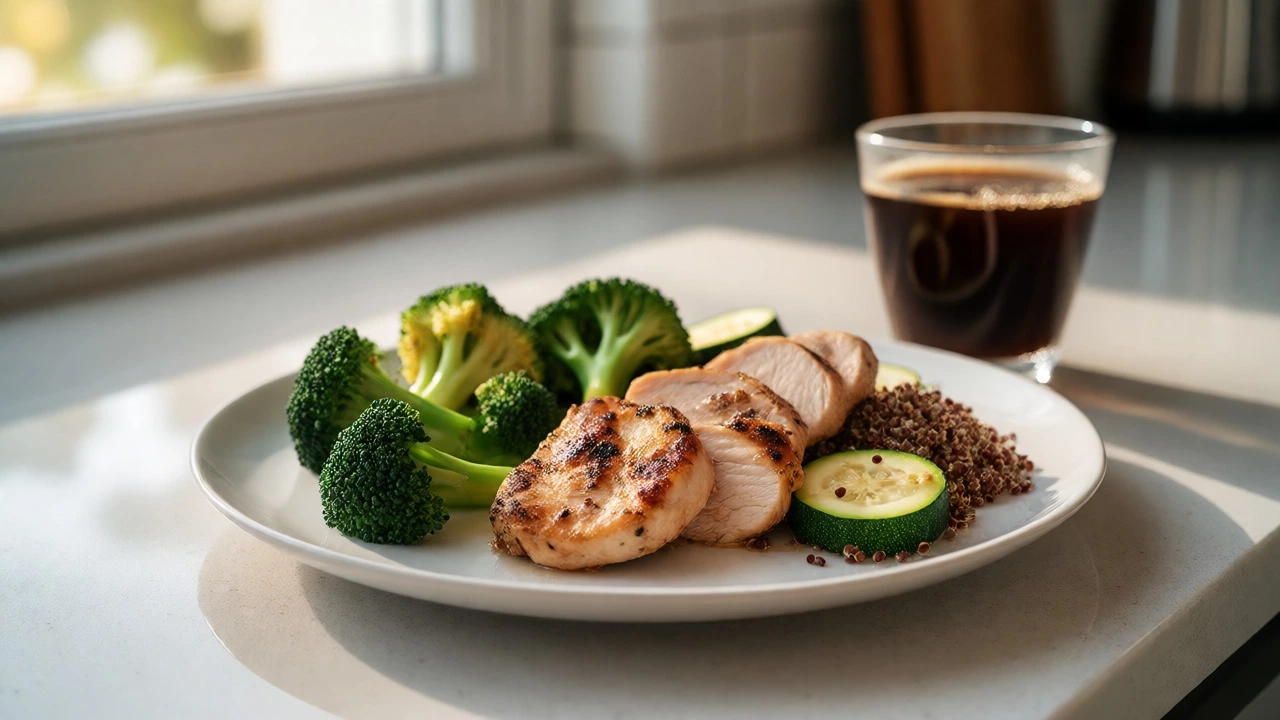
- Prioritize Protein at Every Meal: Protein keeps you full longer and helps preserve muscle mass while you’re in a calorie deficit. Aim for 1.6 grams of protein per kilogram of body weight. If you weigh 80kg, that’s about 128g of protein daily. Start your day with eggs or Greek yogurt, not toast. Lunch should have chicken, fish, or tofu as the centerpiece, not the side dish.
- Cut Liquid Calories Entirely: This is the easiest win. Swap sodas, fancy coffees, and juices for water, black coffee, or tea. One Starbucks caramel macchiato can have 250 calories. Two a day is 500 calories-that’s half your daily deficit right there. In Sydney, where cafe culture is huge, this is tough but necessary. Stick to flat whites or long blacks without sugar.
- Load Up on Fiber-Rich Vegetables: Half your plate should be non-starchy vegetables. Broccoli, spinach, zucchini, and cauliflower are cheap, filling, and nutrient-dense. They physically stretch your stomach, sending signals to your brain that you’re full, without adding significant calories.
Avoid ultra-processed foods. They are engineered to make you overeat. If it comes in a crinkly plastic wrapper with ingredients you can’t pronounce, put it back on the shelf. Focus on whole foods: meat, veggies, fruits, nuts, and grains.
Movement Strategies for Busy People
You don’t need to live in the gym to drop 20 pounds. In fact, excessive cardio can sometimes spike hunger hormones, making you eat more. The key is consistency and intensity.
Strength Training is Non-Negotiable: When you lose weight rapidly, your body tries to shed muscle along with fat. Muscle burns more calories at rest than fat does. If you lose muscle, your metabolism slows down, making it harder to keep the weight off. Lift weights 3 times a week. Compound movements like squats, deadlifts, and push-ups give you the most bang for your buck.
Increase NEAT (Non-Exercise Activity Thermogenesis): This is the energy you burn doing everything that isn’t sleeping, eating, or sports-like exercise. Walking counts. Standing counts. Fidgeting counts. In Sydney, take advantage of the weather. Walk to work if you can. Take the stairs instead of the elevator. Park further away. Aim for 8,000-10,000 steps a day. Studies suggest that increasing NEAT can burn an extra 300-500 calories a day without the fatigue associated with intense workouts.
| Day | Activity Type | Duration/Intensity | Goal |
|---|---|---|---|
| Monday | Strength Training | 45 mins, moderate weight | Muscle preservation |
| Tuesday | Walking | 60 mins, brisk pace | Boost NEAT |
| Wednesday | Strength Training | 45 mins, moderate weight | Muscle preservation |
| Thursday | HIIT Cardio | 20 mins, high intensity | Calorie burn |
| Friday | Walking | 60 mins, scenic route | Mental health & NEAT |
| Saturday | Active Hobby | Hiking, cycling, sport | Enjoyment & movement |
| Sunday | Rest/Light Stretch | Optional walk | Recovery |
The Hidden Factors: Sleep and Stress
You can eat perfectly and train hard, but if you’re sleeping 5 hours a night and stressed out of your mind, you won’t lose weight efficiently. Lack of sleep increases ghrelin (the hunger hormone) and decreases leptin (the satiety hormone). You literally feel hungrier when you’re tired.
Stress raises cortisol levels. High cortisol promotes fat storage, particularly around the abdomen. It also makes you crave sugary, fatty comfort foods. Managing stress isn’t just "nice to have"; it’s a physiological requirement for rapid weight loss.
Try these quick fixes:
- Set a Sleep Alarm: Not a wake-up alarm, but a bedtime alarm. Give yourself 7-9 hours in bed.
- Practice Box Breathing: Inhale for 4 seconds, hold for 4, exhale for 4, hold for 4. Do this for 5 minutes when you feel stressed. It lowers cortisol immediately.
- Limit Alcohol: Alcohol halts fat burning. Your body prioritizes metabolizing alcohol over fat. Plus, it lowers inhibitions, leading to late-night snacking. Try limiting drinks to weekends only.
When to Consider Professional Help
Sometimes, despite your best efforts, progress stalls. This could be due to underlying metabolic issues, hormonal imbalances, or simply needing accountability. This is where weight loss clinics come into play. They aren’t just for celebrities or those with severe obesity. They offer medical supervision, personalized nutrition plans, and sometimes prescription support to jumpstart the process.
If you’ve been trying consistently for 4-6 weeks with no change, or if you have conditions like PCOS, thyroid issues, or insulin resistance, a clinic can provide data-driven insights. They can run blood panels to check your vitamin D, iron, and hormone levels. Sometimes, fixing a deficiency is the missing link to unlocking your weight loss potential.
However, avoid clinics that promise unrealistic results or rely solely on expensive supplements. Look for centers that emphasize education, behavioral change, and long-term maintenance. The goal is to teach you how to manage your weight for life, not just for a few months.

Common Pitfalls to Avoid
Most people fail not because they lack knowledge, but because they fall into predictable traps. Here’s what to watch out for:
- The "Weekend Effect": You eat clean Monday to Friday, then undo all your hard work on Saturday and Sunday by drinking heavily and eating pizza. One weekend binge can erase a week’s worth of deficits. Keep weekends relatively controlled.
- Overestimating Burn: Fitness trackers often overestimate calories burned during exercise. Don’t assume you earned a slice of cake after a 30-minute jog. Be conservative with rewards.
- Weighing Yourself Daily: Weight fluctuates wildly due to water retention, salt intake, and hormonal cycles. Weigh yourself once a week, first thing in the morning, after using the bathroom. Track the trend over time, not the daily noise.
Your First Week Action Plan
Ready to start? Here’s your checklist for the next 7 days:
- Grocery Shop Smart: Buy lean proteins, frozen veggies, oats, eggs, and fruit. Throw out junk food.
- Prep Meals: Spend 2 hours on Sunday prepping lunches for the week. Portion control starts before you’re hungry.
- Hydrate: Carry a reusable water bottle. Drink 2-3 liters a day.
- Walk After Dinner: Make it a habit to walk for 15 minutes after every evening meal. It aids digestion and boosts daily step count.
- Sleep Early: Put your phone away 30 minutes before bed. Blue light disrupts sleep quality.
Dropping 20 pounds fast requires discipline, but it doesn’t require misery. By focusing on protein, cutting liquid calories, moving your body consistently, and managing stress, you create an environment where your body wants to lose fat. It’s not about being perfect every day; it’s about being consistent enough to tip the scales in your favor.
Is it safe to lose 20 pounds in 2 months?
Yes, losing 20 pounds in 8-10 weeks is generally considered safe and sustainable for most adults. This equates to losing 2-2.5 pounds per week. Faster rates may lead to muscle loss, nutritional deficiencies, and gallstones. Always consult a healthcare provider before starting any rapid weight loss program, especially if you have underlying health conditions.
Do I need to cut carbs completely to drop weight fast?
No, you don’t need to go keto. Carbs are fuel. However, reducing refined carbs (white bread, pasta, sugar) and focusing on complex carbs (vegetables, legumes, whole grains) can help lower insulin levels and reduce water weight quickly. Moderate carb reduction is often easier to sustain than zero-carb diets.
Why am I not losing weight even though I’m eating less?
This is common. Reasons include hidden calories in sauces and drinks, underestimating portion sizes, metabolic adaptation (your body slowing down its metabolism), or inconsistent tracking. Also, if you recently started strength training, you might be gaining muscle while losing fat, which can mask scale weight changes. Measure waist circumference as well as weight.
What is the role of weight loss clinics in rapid weight loss?
Weight loss clinics provide medical oversight, personalized dietary plans, and behavioral coaching. They can identify medical barriers to weight loss (like thyroid issues) and offer evidence-based interventions such as GLP-1 agonists if appropriate. They are useful for accountability and safety, especially for those with significant weight to lose or comorbidities.
Can I drink alcohol and still lose 20 pounds fast?
It’s difficult. Alcohol contains empty calories (7 calories per gram) and stops fat burning while it’s being metabolized. It also lowers inhibitions, leading to poor food choices. If you must drink, limit it to small amounts of clear spirits with soda water, and account for those calories in your daily budget.



Write a comment