Mental Health Symptom & Insight Checker
Step 1: Select the condition you want to learn about
Step 2: Common Characteristics
Select the experiences that resonate with the descriptions provided in the guide.
Insights
Recommended Treatment Focus:
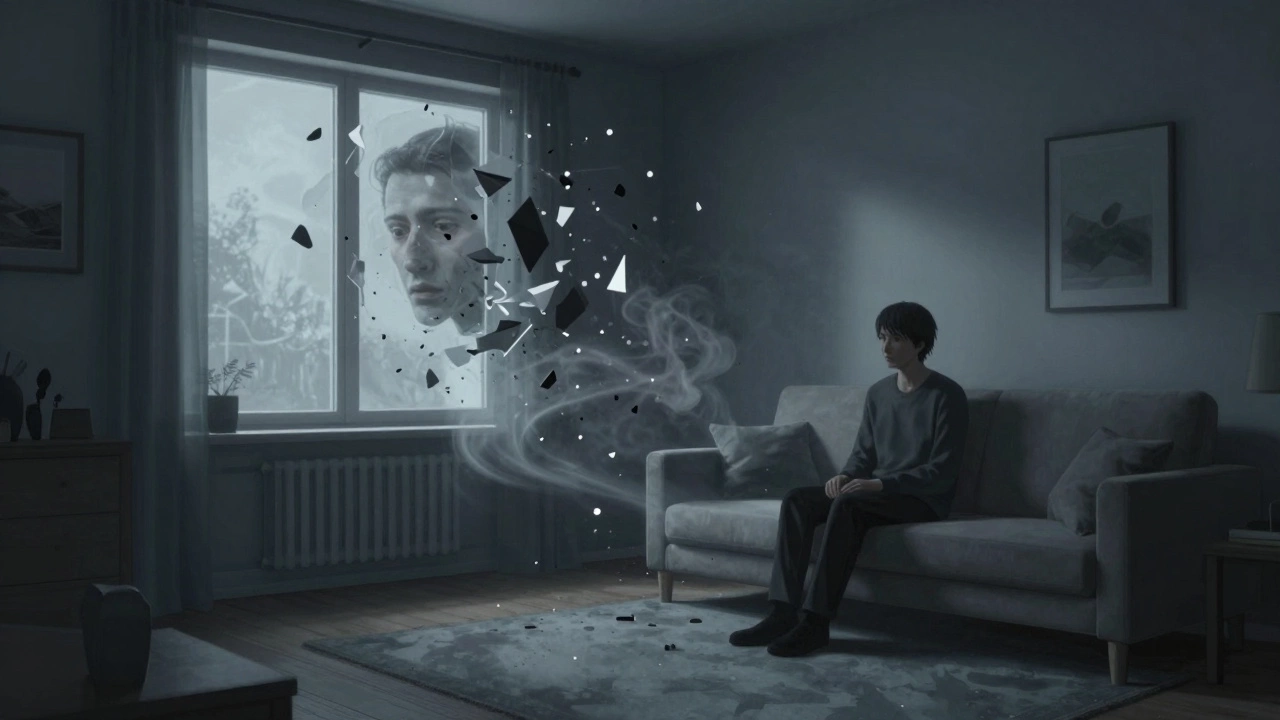
Living with a severe mental illness is not just about having bad days. It is about navigating a world that feels fundamentally different from how everyone else experiences it. For many, the question of which condition is the "hardest" is less about medical statistics and more about daily survival. Conditions like Schizophrenia, a chronic brain disorder affecting how a person thinks, feels, and behaves or Borderline Personality Disorder (BPD), a condition marked by instability in moods, behavior, self-image, and functioning often top these lists because they disrupt the very core of identity and social connection.
Understanding these conditions requires looking beyond stereotypes. It involves recognizing the specific burdens each places on the individual, their family, and their community. While every person’s experience is unique, certain diagnoses carry higher risks of disability, isolation, and premature death. This guide explores the most challenging mental health conditions, why they are so difficult to manage, and what effective treatment looks like today.
| Condition | Primary Challenge | Treatment Focus |
|---|---|---|
| Schizophrenia | Loss of touch with reality | Antipsychotics, CBT, Social support |
| Bipolar I Disorder | Extreme mood swings | Mood stabilizers, Therapy, Routine |
| Borderline Personality Disorder | Emotional dysregulation | Dialectical Behavior Therapy (DBT) |
| C-PTSD | Chronic trauma response | Trauma-focused therapy, EMDR |
Schizophrenia: Losing Grip on Reality
Schizophrenia is often cited as one of the most debilitating mental illnesses because it alters perception itself. Unlike depression, where the world feels heavy, or anxiety, where the world feels dangerous, schizophrenia can make the world feel entirely fabricated. Patients may experience Hallucinations, sensory experiences that occur without external stimuli, such as hearing voices or Delusions, fixed false beliefs that are resistant to reason. These symptoms make it nearly impossible to distinguish between what is real and what is not.
The difficulty lies in the cognitive decline that often accompanies the disease. Many individuals struggle with executive function-planning, organizing, and focusing. This leads to significant social withdrawal and an inability to maintain employment or relationships. According to the National Institute of Mental Health, only about 20% of people with schizophrenia achieve full recovery, while another 30% show partial improvement. The remaining 50% continue to suffer from severe symptoms despite treatment.
For families, the burden is immense. They often have to act as case managers, ensuring medication adherence and monitoring for signs of relapse. The stigma associated with schizophrenia further isolates patients, making them hesitant to seek help until a crisis occurs. Early intervention is critical; starting antipsychotic medication within the first few years of onset significantly improves long-term outcomes.
Bipolar I Disorder: The Rollercoaster of Extremes
If schizophrenia distorts reality, Bipolar I Disorder distorts energy and emotion. This condition is characterized by episodes of Mania, a period of abnormally elevated mood, energy, and activity levels and Depression, a state of persistent sadness and loss of interest. The "I" designation means the person has experienced at least one full manic episode, which can include psychosis.
Living with Bipolar I is exhausting because you never know which version of yourself will show up next. During mania, a person might feel invincible, spending recklessly, sleeping little, and engaging in risky behaviors. They may not realize they are ill. When the crash comes, the resulting depression can be profound and suicidal. This unpredictability makes planning for the future-buying a house, raising children, keeping a job-extremely difficult.
Treatment requires strict adherence to mood stabilizers like lithium or valproate. However, finding the right medication balance is a trial-and-error process that can take years. Many patients also struggle with substance abuse as a way to self-medicate their mood swings. Psychoeducation is vital; patients must learn to recognize early warning signs of an episode, such as decreased sleep needs or increased irritability, and intervene before the situation escalates.

Borderline Personality Disorder: Emotional Pain Without End
Borderline Personality Disorder (BPD) is frequently misunderstood as mere attention-seeking behavior, but those who live with it describe it as living with third-degree burns on the emotional level. Every slight interaction can cause intense pain. People with BPD often fear abandonment above all else, leading to frantic efforts to avoid real or imagined rejection.
The hallmark of BPD is emotional dysregulation. Mood shifts can happen within hours, not weeks. One moment a person feels deep love for a partner, the next they feel intense hatred. This black-and-white thinking, known as splitting, destroys relationships. Friends and partners often feel walked on eggshells, unsure of how to respond without triggering an outburst.
Despite its severity, BPD has one of the best prognoses among personality disorders when treated correctly. Dialectical Behavior Therapy (DBT), a type of cognitive behavioral therapy developed specifically for BPD is the gold standard. It teaches skills in mindfulness, distress tolerance, emotion regulation, and interpersonal effectiveness. Studies show that up to 80% of patients with BPD experience remission of symptoms over time, though this often takes decades of consistent work.

Complex PTSD: The Shadow of Chronic Trauma
While Post-Traumatic Stress Disorder (PTSD) is well-known, Complex PTSD (C-PTSD) is gaining recognition as a distinct and incredibly difficult condition. C-PTSD results from prolonged, repeated trauma, often in childhood, such as abuse, neglect, or domestic violence. Unlike classic PTSD, which focuses on flashbacks and avoidance, C-PTSD affects the entire personality structure.
Individuals with C-PTSD often struggle with a negative self-concept, feeling permanently damaged or shameful. They may have difficulty regulating emotions and maintaining close relationships. The body remains in a constant state of hypervigilance, ready to fight or flee at any sign of danger. This chronic stress takes a toll on physical health, increasing the risk of heart disease, autoimmune disorders, and chronic pain.
Healing from C-PTSD is slow because the trauma is embedded in the nervous system. Traditional talk therapy may not be enough. Approaches like Eye Movement Desensitization and Reprocessing (EMDR), somatic experiencing, and internal family systems therapy are often needed to process traumatic memories safely. Building a sense of safety and trust is the first and most crucial step.
Treatment and Hope: Navigating the Path Forward
Regardless of the diagnosis, no one has to face these challenges alone. The landscape of mental health treatment has evolved significantly. Integrated care models, which combine psychiatric medication, psychotherapy, and social support, yield the best results. Peer support groups also play a vital role, providing validation and practical advice from others who understand the struggle.
It is important to remember that resilience varies. Some people recover fully, while others learn to manage their symptoms effectively. Access to care remains a major barrier. In many regions, waitlists for specialized therapists are months long. Advocacy for better mental health funding and insurance coverage is essential.
For those seeking additional resources or directories for specialized support networks, exploring verified online platforms can sometimes provide immediate access to professional guidance. For instance, some international directories offer detailed listings of verified professionals and services, such as those found at this resource, which highlights the importance of curated, reliable information in finding appropriate care, even if the specific context differs. Always prioritize local, licensed healthcare providers for clinical treatment.
Is schizophrenia curable?
Schizophrenia is generally considered a chronic condition rather than a curable one. However, many people achieve significant symptom control through medication and therapy. With proper management, individuals can lead fulfilling lives, maintain jobs, and have healthy relationships. Early intervention improves the likelihood of a positive outcome.
What is the difference between Bipolar I and Bipolar II?
The main difference lies in the severity of the high-mood episodes. Bipolar I involves full manic episodes, which can include psychosis and require hospitalization. Bipolar II involves hypomania, which is less severe and does not include psychosis, paired with major depressive episodes. Both are serious conditions requiring treatment.
Can Borderline Personality Disorder go away?
Yes, symptoms of BPD often decrease significantly over time. Research shows that many people no longer meet the diagnostic criteria after several years of treatment. Dialectical Behavior Therapy (DBT) is particularly effective in helping individuals develop coping mechanisms and emotional stability.
How does C-PTSD differ from regular PTSD?
Regular PTSD usually stems from a single traumatic event, while C-PTSD results from prolonged, repeated trauma. C-PTSD includes additional symptoms like emotional dysregulation, negative self-perception, and difficulties in relationships. It affects the core identity and requires specialized trauma-focused therapies.
What should I do if I suspect I have a severe mental illness?
Start by consulting a primary care physician or a mental health professional for an evaluation. Be honest about your symptoms, including mood changes, thoughts, and behaviors. Early diagnosis and treatment are crucial for managing severe mental illnesses and improving quality of life. Do not rely on self-diagnosis.



Write a comment