
Medical Tourism Safety & Cost Estimator
Safety Verification Checklist
Check all that apply to your chosen provider:
Financial Analysis
Safety Assessment
Enter your costs and check off verification steps to calculate your potential savings and safety rating.
You see the price tag for a hip replacement or a full set of veneers in your home country and think, "There has to be a better deal." Then you hear about Medical Tourism in Mexico, where costs can drop by 50-70%. It sounds too good to be true. So, is it actually safe? The short answer is: yes, but only if you know exactly what you're looking at.
Here’s the thing-Mexico isn't just one giant hospital. It's a mix of world-class facilities that rival anything in the US or Australia, and smaller clinics that might not meet those same rigorous standards. Your safety depends entirely on how well you vet the provider before you book that flight. Let's break down the reality of healthcare south of the border, separating the hype from the hard facts.
The Quality Gap: Where You Go Matters More Than What You Pay
When people ask if medical care in Mexico is safe, they’re usually picturing a shady back-alley clinic. But the landscape has changed dramatically over the last two decades. Major cities like Monterrey, Tijuana, and Mexico City host hospitals that are accredited by international bodies. These aren't just local clinics with English signs; they are sophisticated medical centers equipped with modern technology and staffed by doctors who often trained in the United States or Europe.
Look for accreditation from the Joint Commission International (JCI). This is the gold standard for global healthcare safety. If a hospital in Cancun or Los Cabos has JCI certification, it means they’ve passed strict audits on patient safety, infection control, and medical records management. Without this seal, you’re gambling with variables you can’t control. Always verify the certification directly on the JCI website rather than trusting a brochure.
| Feature | Top-Tier Mexican Hospitals | Standard US Clinics |
|---|---|---|
| Accreditation | JCI Certified (International Standard) | The Joint Commission (US Standard) |
| Doctor Training | Often US/EU Board Certified | US Board Certified |
| Technology | State-of-the-art (MRI, CT, Robotic Surgery) | State-of-the-art |
| Average Cost | 40-60% lower than US | Benchmark Price |
| Language Barrier | Low in tourist hubs; High in rural areas | None |
Understanding the Regulatory Landscape
Unlike the US, where the FDA tightly regulates every drug and device, Mexico’s regulatory body, COFEPRIS (Federal Commission for the Protection against Sanitary Risk), operates differently. COFEPRIS approves medications and medical devices, but enforcement can vary. In top-tier private hospitals, you’ll find equipment imported directly from manufacturers like Siemens or GE, identical to what’s used in Sydney or New York. However, in less regulated sectors, counterfeit drugs or outdated equipment can still slip through.
This is why choosing the right facility is non-negotiable. Don’t just pick a doctor because their Instagram looks good. Ask them specifically: "What brand of implants do you use?" or "Where do you source your anesthesia medications?" Reputable surgeons will proudly show you the packaging and certifications. If they hesitate, walk away. Your health isn't worth the risk of saving an extra $200.
Dental and Cosmetic Surgery: The Popular Choices
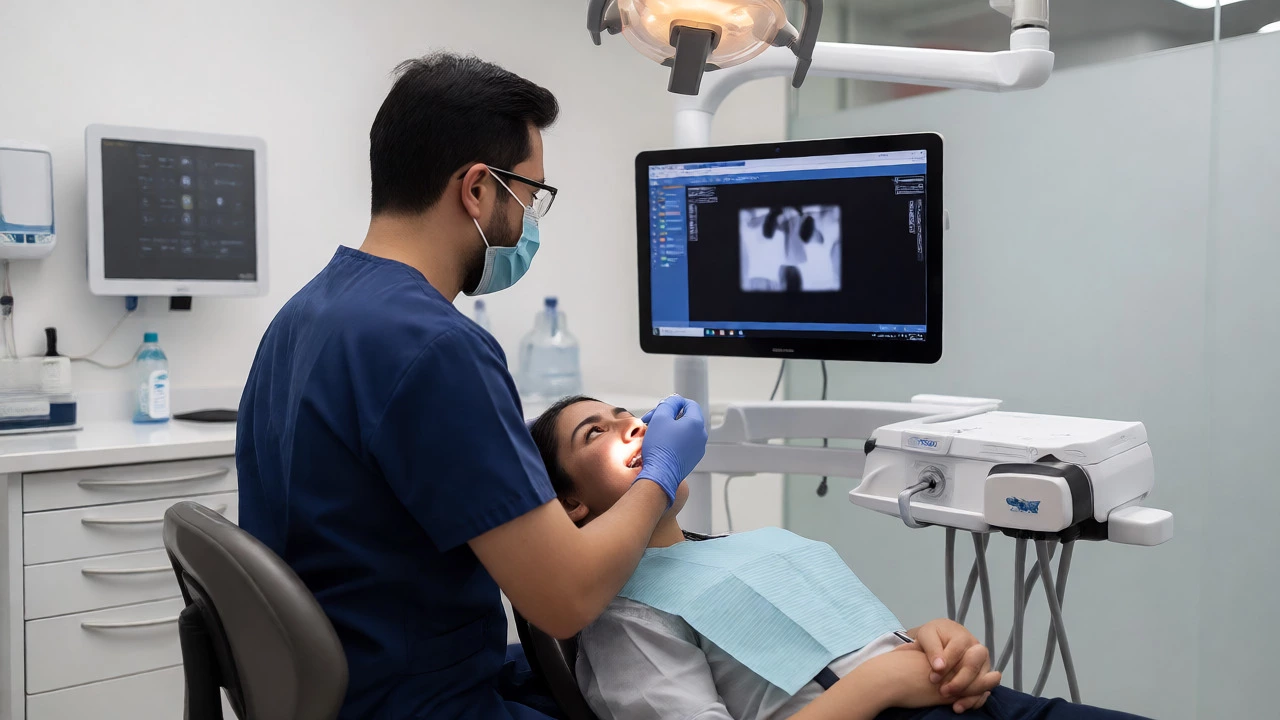
Most travelers heading to Mexico aren't there for emergency heart surgery. They’re there for elective procedures. Dental Tourism is massive. Why pay $20,000 for full-mouth restoration in the US when you can get high-quality work in Tijuana for $8,000? Dentists in border towns have built entire practices around serving Americans and Canadians. They offer digital X-rays, CEREC crowns made in-house, and sedation options that match US standards.
Cosmetic surgery is another huge draw. Procedures like tummy tucks, breast augmentations, and liposuction are significantly cheaper. But here’s the catch: cosmetic results are subjective. A poorly done nose job doesn't just cost money; it costs confidence. Look for surgeons who are members of the Mexican Society of Plastic, Aesthetic and Reconstructive Surgery. Membership requires peer review and ongoing education, which adds a layer of accountability.
The Hidden Risks: Follow-Up Care and Complications
The biggest danger in medical tourism isn't the surgery itself-it's what happens after you go home. Imagine you have a dental implant placed in Puerto Vallarta. Two weeks later, you notice swelling or pain. Do you fly back? Or do you try to find a dentist locally who understands the specific materials used?
Complication rates are generally low in accredited facilities, comparable to US outcomes. But managing complications across borders is tricky. Some providers offer "global warranties" that cover revisions within a certain timeframe, but these often come with fine print regarding travel costs. Before you commit, ask: "If I need a revision three months from now, who pays for my flight?" If the answer is vague, assume it’s on you.
- Infection Control: Verify sterilization protocols. Ask to see the autoclave logs if possible.
- Communication: Ensure you leave with detailed post-op instructions in English, including medication names and dosages.
- Emergency Plan: Know where the nearest major hospital is relative to your accommodation.
How to Vet Your Provider Like a Pro
Don't rely solely on reviews on third-party booking sites. Many of those are incentivized. Instead, take these concrete steps:
- Check Credentials: Use the National Registry of Health Providers (RNP) in Mexico to verify the doctor’s license number. You can also check if they are listed in the American Board of Medical Specialties if they claim US training.
- Virtual Consultation: Most reputable clinics offer free video calls. Use this time to assess their communication style. Do they listen? Do they explain risks clearly? A doctor who rushes you is a red flag.
- Ask About Anesthesia: Who administers it? Is it a certified anesthesiologist or a nurse? In complex surgeries, you want a specialist, not general staff.
- Review the Facility: Request photos or videos of the operating room and recovery suites. Cleanliness and organization speak volumes.

Costs vs. Value: It’s Not Just About the Price Tag
Yes, you save money. A knee replacement might cost $30,000 in the US but $12,000 in Mexico. But factor in the total trip: flights, hotel, food, and time off work. Sometimes the savings shrink to 30-40%. Is that worth the logistical hassle? For many, yes. But don't let the discount blind you to quality.
Also, beware of "package deals" that seem suspiciously cheap. If a rhinoplasty package includes a weekend stay at a luxury resort, ask yourself: Are they cutting corners on the surgeon’s fee or the implant quality? Cheap often means volume-driven, which can lead to rushed consultations and cookie-cutter surgical plans.
Legal Recourse: What Happens If Things Go Wrong?
This is the part nobody likes to talk about. If you suffer malpractice in the US, you have a clear legal path. In Mexico, the system is different. Malpractice lawsuits exist, but they can be lengthy and culturally distinct. Many contracts signed at foreign clinics include arbitration clauses that limit your ability to sue in your home country.
Read the consent forms carefully. Consider purchasing specialized medical tourism insurance that covers complications and repatriation. Companies like Global Healthcare Exchange or specific policies offered by credit card companies sometimes provide coverage for elective procedures abroad, but you must read the exclusions. Never assume your domestic health insurance will cover follow-up care for a procedure done overseas.
Final Verdict: Is It Safe?
Medical tourism in Mexico is safe if you treat it like any other major life decision: with research and due diligence. The infrastructure in key hubs is robust, the doctors are highly skilled, and the savings are real. The risk comes from choosing the wrong provider, ignoring red flags, or failing to plan for post-op care.
If you stick to JCI-accredited hospitals, verify doctor credentials independently, and understand the legal and logistical implications, you can safely access high-quality care at a fraction of the cost. It’s not about finding the cheapest option; it’s about finding the best value without compromising your health.
Are doctors in Mexico qualified?
Many doctors in major Mexican cities are fully qualified, with many holding board certifications from both Mexico and the United States. They often complete residencies in top US hospitals. However, qualifications vary widely between regions, so always verify specific credentials and board memberships before booking.
Do I need travel insurance for medical tourism?
Yes, absolutely. Standard travel insurance rarely covers pre-existing conditions or elective surgeries performed abroad. You should look for specialized medical tourism insurance that covers complications, revisions, and potential repatriation costs if you need further treatment in your home country.
What is the language barrier like in Mexican hospitals?
In tourist hubs like Cancun, Tijuana, and Mexico City, most medical staff at private hospitals speak fluent English. In smaller towns or public institutions, English proficiency may be limited. Always confirm that your primary surgeon and nursing staff are comfortable communicating in your preferred language.
Can I bring prescription medications back from Mexico?
Generally, you can bring a personal supply (usually up to 90 days) of medications back into the US or Australia, provided they are approved in your home country and you carry the original prescription label. However, some controlled substances have stricter rules, so check with customs authorities before traveling.
How far in advance should I book a procedure?
For popular procedures like dental work or cosmetic surgery, booking 2-3 months in advance is recommended. This allows time for virtual consultations, reviewing credentials, and arranging travel logistics. Emergency or urgent care slots may open up sooner, but planning ahead ensures you get your preferred doctor.



Write a comment