Ayurvedic Dosha & Diet Finder
Select the three characteristics that best describe your natural state (not after a bad day, but your baseline). Your most frequent selection determines your dominant dosha.
VATA
Air & Ether
- • Light build, dry skin
- • Quick to learn, quick to forget
- • Prone to anxiety or restlessness
- • Cold hands/feet
PITTA
Fire & Water
- • Medium build, warm skin
- • Ambitious, sharp intellect
- • Prone to anger or irritation
- • Strong digestion
KAPHA
Earth & Water
- • Solid build, oily skin
- • Calm, steady, loyal
- • Prone to lethargy or holding grudges
- • Slow metabolism
📋 Personalized Dietary Guidance
Click one of the cards above to see your specific food recommendations.
Most people think of Ayurvedic diet as just another restrictive food trend. But it’s actually a system designed to keep your body in harmony with its unique biology. Unlike modern diets that focus on calories or macros, this approach looks at your constitution, known as your dosha. If you’ve ever felt tired after eating healthy food, or bloated despite drinking plenty of water, the issue might not be *what* you’re eating, but whether it matches your body type.
In this guide, we’ll break down how this ancient Indian medical system works, what foods suit each body type, and how to start without feeling overwhelmed. We’ll skip the mystical jargon and stick to practical advice you can use at your next grocery run.
The Core Concept: Your Body Type (Dosha)
To understand the diet, you first need to know who you are biologically. In Ayurveda, every person has a dominant combination of three energies, or doshas: Vata, Pitta, and Kapha. These aren’t just labels; they describe how your digestion, metabolism, and stress response work.
- Vata (Air + Space): People with high Vata tend to be thin, creative, and quick to learn but also prone to anxiety, constipation, and dry skin. Their digestion is erratic-they eat well one day and feel bloated the next.
- Pitta (Fire + Water): High Pitta individuals are often ambitious, sharp, and have strong appetites. They digest food quickly but can get inflamed easily, leading to acid reflux, heartburn, or skin rashes if they overdo spicy or acidic foods.
- Kapha (Earth + Water): Kapha types are usually sturdy, calm, and have slow metabolisms. They gain weight easily and may struggle with lethargy, congestion, or heavy limbs. They need lighter, warmer foods to keep things moving.
Your goal isn’t to eliminate any dosha completely, but to keep them balanced. The diet adjusts based on which dosha is currently out of whack. For example, if you’re a Vata type having a stressful week, you’ll need more grounding foods than usual.
The Six Tastes: How Food Affects You
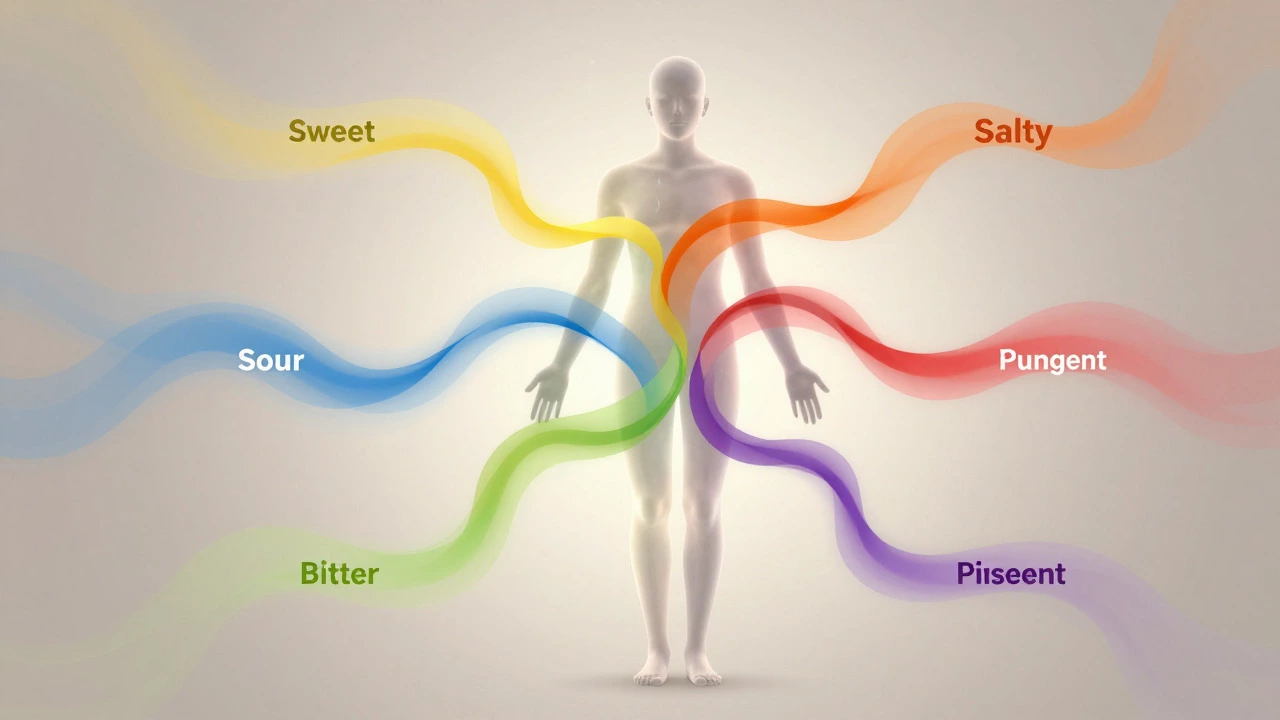
Western nutrition focuses on protein, carbs, and fats. Ayurveda focuses on the six tastes (Rasa): sweet, sour, salty, pungent, bitter, and astringent. Each taste has a specific effect on the body.
| Taste | Effect on Vata | Effect on Pitta | Effect on Kapha |
|---|---|---|---|
| Sweet | Calming (good in moderation) | Aggravating (increases heat) | Aggravating (increases heaviness) |
| Sour | Aggravating (drying) | Aggravating (increases fire) | Balancing (stimulates appetite) |
| Salty | Aggravating (dehydrating) | Aggravating (increases inflammation) | Aggravating (increases fluid retention) |
| Pungent | Aggravating (drying) | Aggravating (heating) | Balancing (lightens and stimulates) |
| Bitter | Neutral/Mildly Balancing | Balancing (cools) | Balancing (detoxifies) |
| Astringent | Aggravating (drying) | Neutral | Aggravating (drying) |
Notice that no single taste is “bad.” It’s about context. Sweet food calms Vata but can make Pitta too hot. Bitter food cools Pitta but might be too drying for Vata. This nuance is why two people can eat the same salad and have opposite reactions.
Foods for Each Dosha: What to Eat and Avoid
Let’s get practical. Here is how to adjust your plate based on your dominant energy.
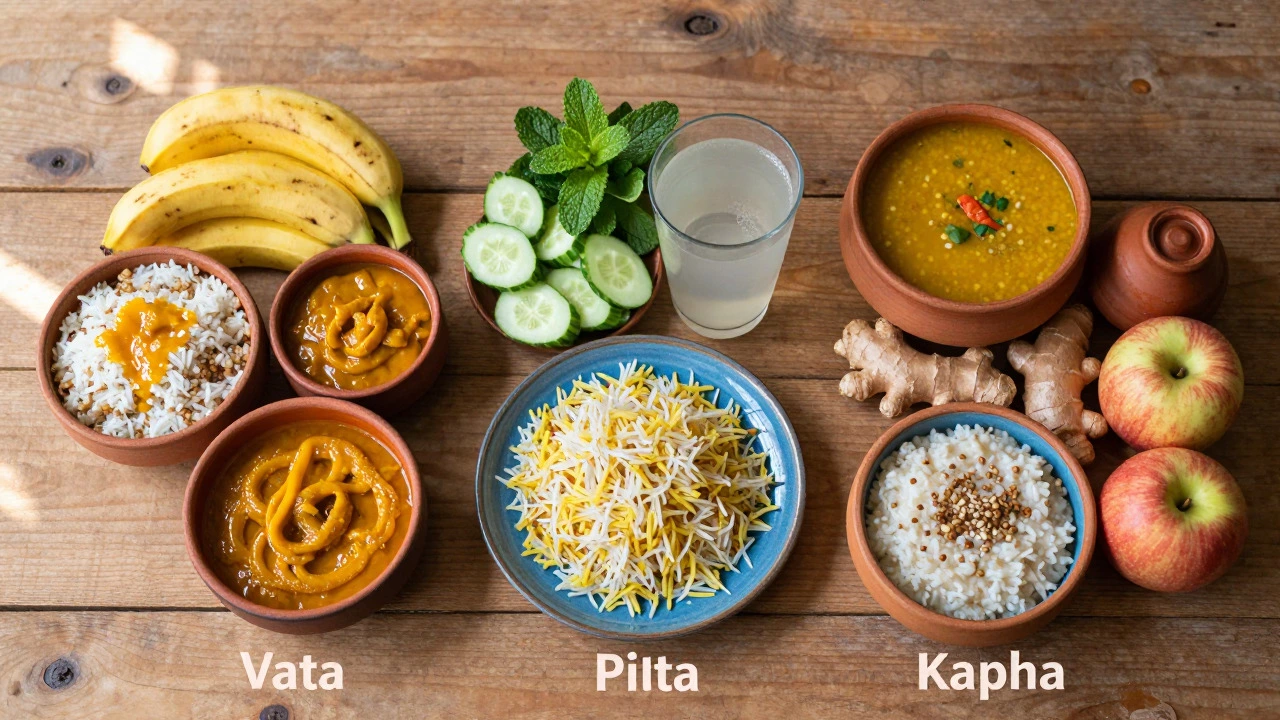
If You Are Vata Dominant
You need warmth, oil, and moisture. Cold, raw, and light foods will make you feel scattered and hungry again an hour later.
- Eat: Warm soups, cooked grains like rice and quinoa, ghee (clarified butter), avocado, nuts (soaked), and sweet fruits like bananas and mangoes.
- Avoid: Raw salads, cold smoothies, caffeine, carbonated drinks, and overly spicy peppers.
- Tip: Always eat warm meals. If you drink tea, add milk or honey to counteract the drying effect.
If You Are Pitta Dominant
You need cooling, mild, and hydrating foods. Too much spice, salt, or acid will trigger inflammation.
- Eat: Cucumber, melons, coconut water, leafy greens, basmati rice, and herbs like cilantro and mint.
- Avoid: Chili peppers, vinegar, alcohol, coffee, and fried foods.
- Tip: Focus on sweet and bitter tastes. Sour foods like lemon juice should be used sparingly.
If You Are Kapha Dominant
You need light, dry, and warming foods. Heavy, oily, and sweet foods will slow you down further.
- Eat: Spices like ginger and black pepper, legumes (lentils, chickpeas), barley, oats, and apples.
- Avoid: Dairy products (especially cheese and yogurt), heavy creams, refined sugar, and excessive fruit.
- Tip: Skip breakfast if you don’t feel hungry, or keep it very light. Dinner should be the heaviest meal, eaten early in the evening.
Dining Habits That Matter More Than Ingredients
You can eat the perfect Ayurvedic ingredients and still feel unwell if your habits are off. Ayurveda places huge emphasis on how you eat, not just what.
- Timing: The strongest time for digestion is between 10 AM and 2 PM. This is when your digestive fire (Agni) is at its peak. Make your largest meal during this window.
- Environment: Eat in a calm place. Stress shuts down digestion. Try to sit down, put away your phone, and chew slowly.
- Hydration: Drink warm water throughout the day. Ice water is considered to extinguish digestive fire, especially before and during meals.
- Consistency: Eat at regular times. Irregular meal times confuse your gut rhythm, leading to bloating and poor nutrient absorption.
For most people, the biggest shift is stopping the habit of snacking all day. Ayurveda recommends eating only two or three substantial meals. This gives your gut a rest and allows your metabolic rate to stay efficient.
Common Myths and Misconceptions
There’s a lot of noise around this topic online. Let’s clear up a few common mistakes.
Myth 1: You must be vegetarian. While many practitioners are vegetarian, meat is not forbidden. However, it should be lean and paired with spices to aid digestion. Red meat is generally discouraged for Pitta and Kapha types due to its heavy nature, but poultry and fish are acceptable in moderation.
Myth 2: It’s extremely expensive. You don’t need exotic superfoods. The core of the diet is whole, unprocessed foods: rice, lentils, seasonal vegetables, and local fruits. The cost comes from buying organic produce, but you can adapt by focusing on affordability and seasonality.
Myth 3: It’s a crash diet. This is a lifestyle, not a temporary fix. You won’t see dramatic weight loss in two weeks unless you were previously eating very poorly. The benefits-better sleep, clearer skin, stable energy-build over months.
How to Start Without Overwhelm
Don’t try to change everything tomorrow. Start with these three steps:
- Identify your dominant dosha. Look at your physical build and typical emotional state. If you’re unsure, consult a certified practitioner or take a reputable online assessment.
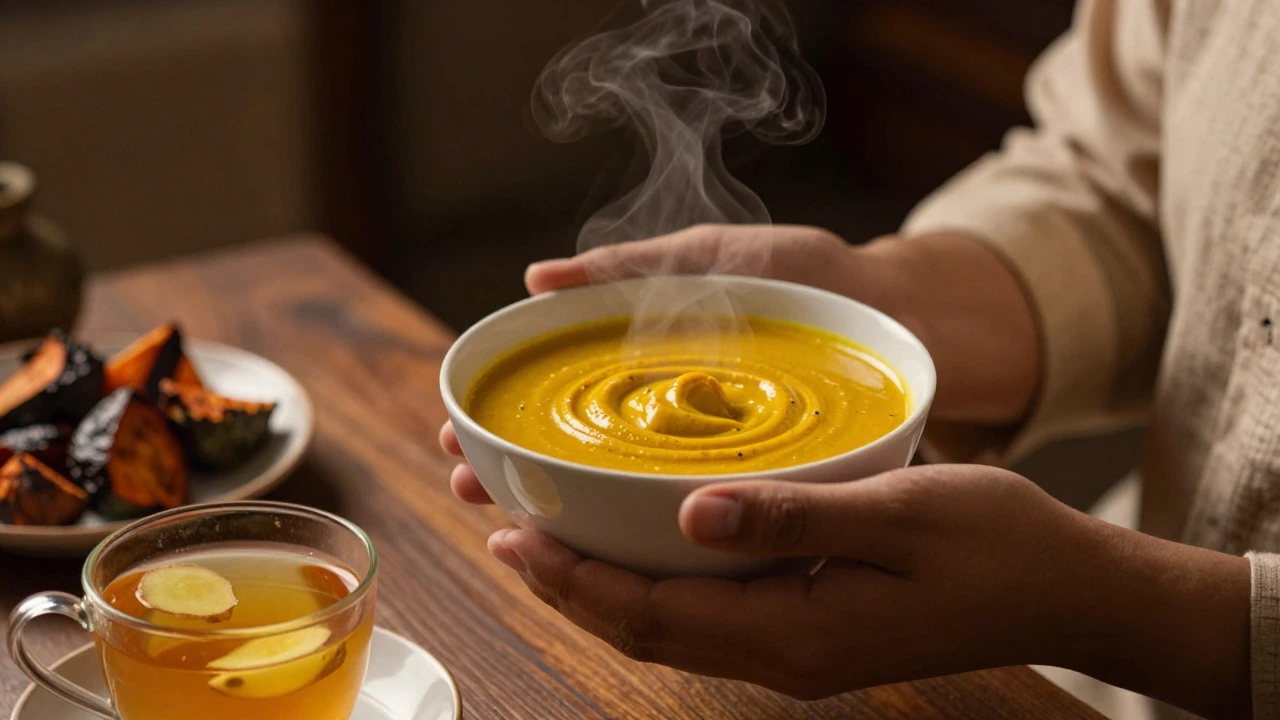
- Warm up your meals. If you’re Vata or Kapha, stop eating raw salads for dinner. Switch to roasted vegetables or soups.
- Add one spice. Ginger is the universal balancer. Add fresh grated ginger to your morning tea or stir-fries. It aids digestion and warms the body without being too aggressive.
As you progress, pay attention to how you feel after different foods. Keep a simple journal. Did the yogurt make you congested? Did the warm soup settle your stomach? Your body will give you the data you need.
Frequently Asked Questions
Can I eat dairy on an Ayurvedic diet?
Yes, but it depends on your dosha. Milk is generally good for Vata and Pitta but can aggravate Kapha. Ghee (clarified butter) is considered the best fat for almost everyone because it is easy to digest and nourishing. Yogurt is beneficial for Pitta but can be problematic for Vata if it is cold or sour.
Is the Ayurvedic diet suitable for vegetarians?
It is highly compatible. Many traditional Ayurvedic recipes rely heavily on legumes, grains, and vegetables. However, vegetarians should ensure they get enough protein and iron by combining grains with legumes (like rice and lentils) to form complete proteins.
How long does it take to see results?
Most people notice improved digestion and energy levels within 2 to 4 weeks. Deeper changes, such as better sleep patterns or significant shifts in mood and skin health, typically take 3 to 6 months of consistent practice.
Do I need to buy special Ayurvedic supplements?
No. Supplements like Ashwagandha or Triphala can support the diet, but they are not required. The foundation is whole foods and proper dining habits. Only consider supplements if recommended by a qualified practitioner for a specific imbalance.
What should I do if I’m mixed dosha?
Focus on balancing your secondary dosha while maintaining your primary. For example, if you are Vata-Pitta, you need the warmth of Vata-balancing foods but must avoid the excess heat that aggravates Pitta. Aim for a middle ground: warm, moist, and mildly spiced foods.




Write a comment