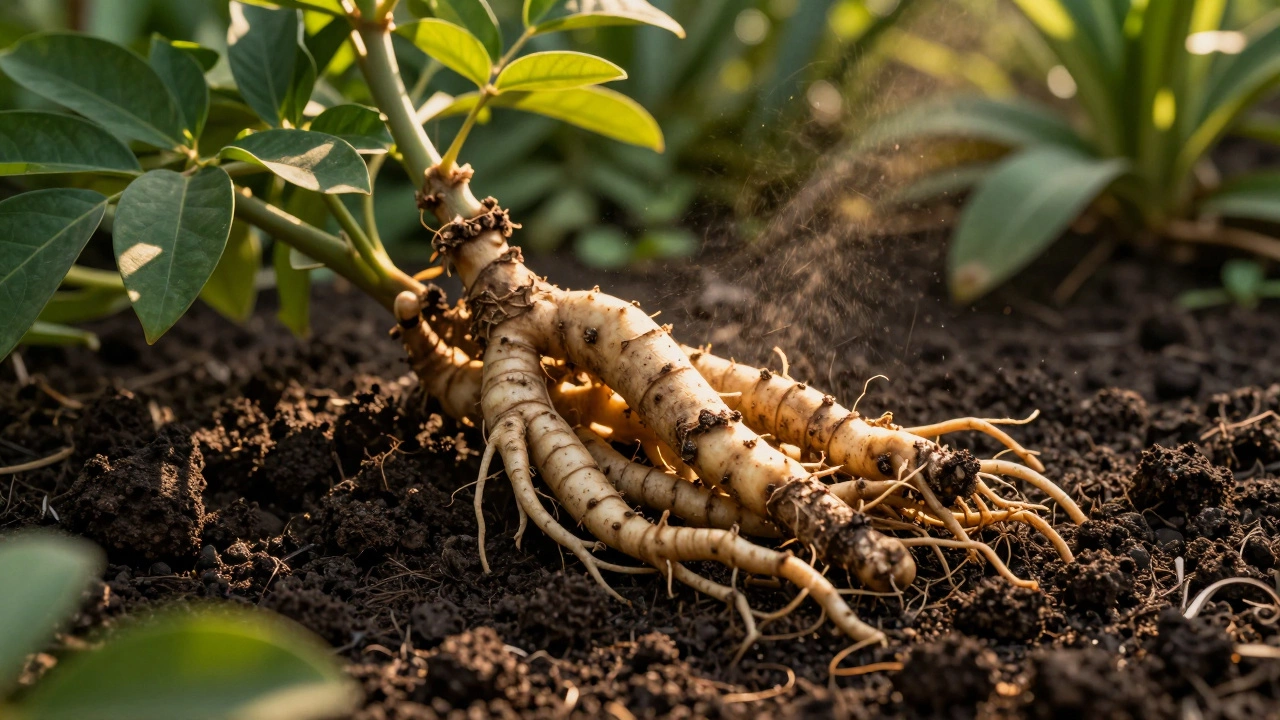
In the crowded world of natural healing, every practitioner has a favorite. But when the ancient texts meet modern wellness trends, one name keeps rising to the top like a heavyweight champion. If you have asked yourself "what is the king of all herbs," the answer often points to Ashwagandha, known scientifically as Withania somnifera. This root has earned its crown through centuries of usage and mounting clinical evidence.
However, calling any plant the sole monarch is tricky. Ayurveda operates on balance, not hierarchy. Still, for stress relief, energy, and longevity, Ashwagandha wears the crown most comfortably today. Let’s explore why this specific root commands respect and whether other contenders deserve a mention.
The Case for Ashwagandha as the Top Herb
You will hear people call Ashwagandha the "King of Herbs" almost exclusively. Why? It comes down to resilience. The Sanskrit name literally translates to "smell of the horse." Ancient practitioners believed consuming this herb granted the strength and vitality of a stallion. That metaphor isn’t just poetic; it reflects the herb’s physical impact on the nervous system.
This powerful adaptogen helps the body manage stress by regulating cortisol levels. Unlike stimulants, which spike your energy temporarily, Ashwagandha works by restoring your baseline. Also classified under Rasayana therapy, it promotes regeneration rather than just suppression of symptoms.Modern research backs up the folklore. Studies consistently show significant reductions in cortisol-the stress hormone-when users take standardized extracts. Lower cortisol means better sleep, less anxiety, and improved muscle recovery. For a generation dealing with burnout and chronic fatigue, this functional benefit secures its status as the leader in herbal remedies.
- Cortisol Reduction: Clinical trials indicate drops in blood serum cortisol ranging from 27% to 30% in stressed groups.
- Sleep Quality: Users often report falling asleep faster and experiencing deeper REM cycles without grogginess the next morning.
- Hormonal Balance: It supports healthy testosterone levels in men and regulates reproductive hormones in women.
This versatility makes it hard for competitors to dethrone it. Most herbs target one specific issue, like digestion or inflammation. Ashwagandha targets the underlying management system of the body itself.
Traditional Rivals for the Title
While Ashwagandha dominates modern marketing, classical Ayurveda is full of contenders who might argue for the throne depending on your body type. Ignoring them would give an incomplete picture of the botanical kingdom.
Tulsi (Holy Basil) is perhaps the strongest challenger. Often called the "Queen of Herbs" by devotees, it holds immense power as an immune modulator. During flu seasons or times of high pollution, Tulsi is often preferred over Ashwagandha because it clears respiratory congestion faster.
Then there is Amalaki (Indian Gooseberry). In the Charaka Samhita, the foundational text of Ayurveda, Amalaki is cited as having the highest potential for rejuvenation. It is rich in Vitamin C and antioxidants. If the definition of "king" is about anti-aging and cellular repair, Amalaki wins that specific contest.
| Herb Name | Primary Action | Best For | Taste Profile |
|---|---|---|---|
| Ashwagandha | Adaptogen, Strength | Stress, Energy, Sleep | Bitter, Earthy |
| Tulsi | Respiratory Support | Cold, Fever, Anxiety | Pungent, Minty |
| Amalaki | Rejuvenation | Aging, Digestion, Skin | Sour, Astringent |
| Guduchi | Immunity | Fever, Liver Detox | Bitter, Sweet |
This comparison highlights a key truth: the "king" changes based on the environment. If you are burning out at work, Ashwagandha rules. If you are recovering from a viral infection, Tulsi takes the lead. A holistic approach acknowledges multiple leaders rather than a single dictator.
Dosha Dynamics: Which King Rules Your Body?
To truly understand herbal authority, you cannot ignore the Doshas (Body Constitutions). Ayurveda teaches that we are not identical biological machines. We are combinations of energy principles.
There are three main Doshas: Vata (Air/Space), Pitta (Fire/Water), and Kapha (Earth/Water). The "best" herb depends on which energy is dominant in you.
- Vata Types: These individuals are prone to anxiety and insomnia. Ashwagandha is exceptionally grounding here. It calms the wandering mind and stabilizes erratic energy patterns.
- Pitta Types: People with high Pitta tend toward inflammation and irritability. Ashwagandha can sometimes be too heating for them. In this scenario, Brahmi or Gotu Kola. becomes the king, cooling the fire.
- Kapha Types: Those prone to lethargy and weight gain need stimulation. Ashwagandha is great but must be paired with Pippali (Long Pepper) to prevent stagnation.
If you consume the wrong herb, even a powerful one like Ashwagandha can cause imbalance. You might feel sluggish instead of energized. Therefore, the true title of "King of Herbs" belongs to the specific herb that balances your unique Dosha at this moment in time.
Practical Implementation Guide
Knowing the herb is only half the battle. Using it correctly determines whether you get results. Here is how to integrate this powerhouse into your routine safely.
Timing plays a massive role. Since Ashwagandha lowers cortisol and improves sleep quality, taking it at night is beneficial for many. However, morning intake is preferred for those seeking stamina throughout the day. Splitting the dose-half morning, half evening-is a common protocol for sustained support.
Forms of ingestion vary greatly in potency:
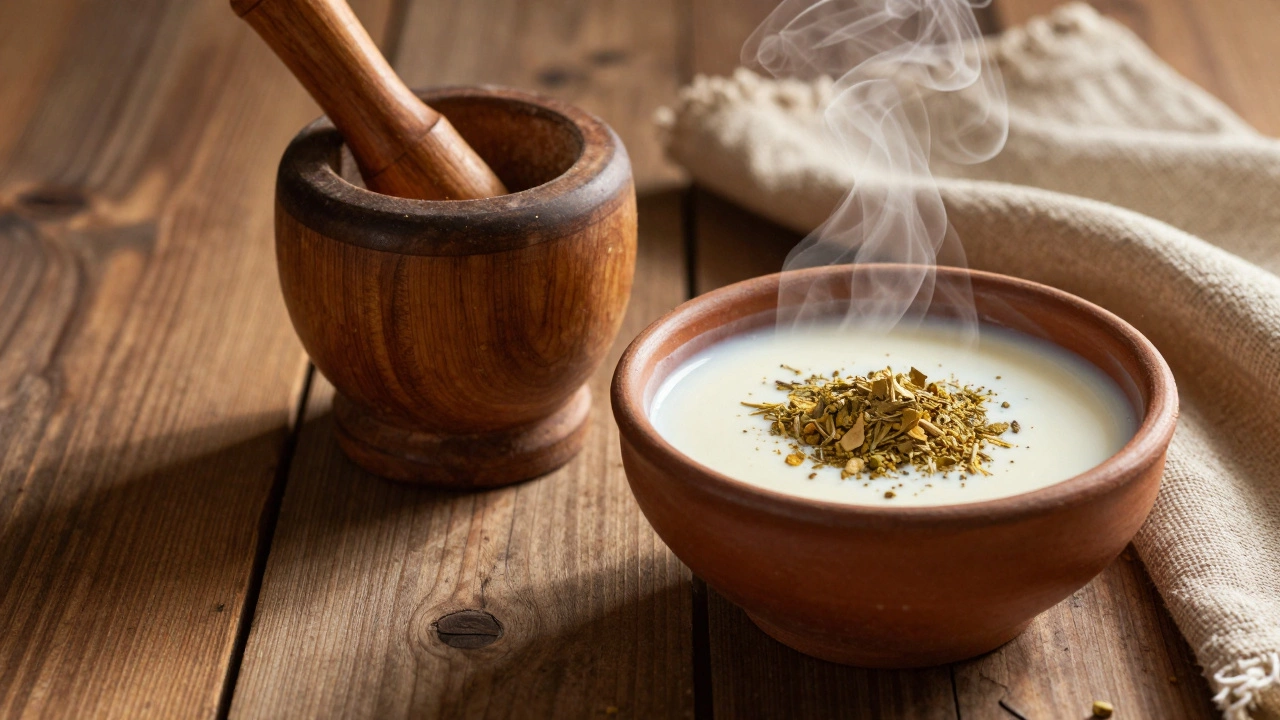
- Root Powder: Most cost-effective and raw. Needs fat (ghee or milk) for proper absorption.
- Liquid Extract: Fast absorption, good for acute stress spikes.
- Standardized Capsules: Usually contain 5% withanolides, the active compounds ensuring consistency.
Start with a lower dose, around 300mg of extract, and increase gradually. Listen to your body. If you experience digestive heaviness or excessive sleepiness, the dosage is likely too high. Consistency trumps intensity; daily low doses work better than occasional high doses.

Is It Safe for Everyone?
We treat herbs gently, but they are potent medicines. Not everyone should use the "king" freely. Specific health conditions require professional oversight before starting a regimen involving high-potency botanicals.
Pregnant women should generally avoid Ashwagandha. Historical texts warn against it during gestation due to its uterine-stimulating properties. Autoimmune conditions present another caution area. Because it boosts immune activity, those with Lupus or Rheumatoid Arthritis might see symptom flare-ups.
Thyroid patients need special attention. Ashwagandha can increase thyroid hormone production. If you are on medication for hypothyroidism, monitoring your TSH levels with a doctor is essential to avoid hyperthyroidism.
Frequently Asked Questions
Can I drink Ashwagandha tea with milk?
Yes, mixing Ashwagandha powder with warm milk is a traditional method. Milk enhances the bioavailability of the lipophilic compounds. Goat milk or almond milk works well for lactose-sensitive individuals.
How long does it take to feel the effects?
Effects vary by individual physiology. Most users notice improved sleep within one week, while stress reduction and energy stability typically manifest after two to four weeks of consistent daily use.
Does it interact with caffeine?
It does not dangerously interact with caffeine, but it may blunt the jitters associated with coffee. Taking them together can result in a "calm energy" state rather than a jittery buzz.
Is Ashwagandha better than synthetic steroids?
It is not a replacement for prescribed steroids. However, as a milder alternative, it provides strength gains without the severe hormonal disruption or side effects associated with anabolic steroids.
Can children consume these herbs?
Always consult a pediatric specialist. Dosages for children differ significantly from adults, and immature systems react differently to potent herbal medicines.
The quest for a single supreme herb is less about finding a magic bullet and more about understanding what your system needs right now. While Ashwagandha holds the title for overall adaptogenic power, wisdom lies in recognizing when another herb fits your unique situation better.




Write a comment