Chemotherapy Decision Support Tool
Deciding whether to continue chemotherapy is a complex personal and medical choice. This tool helps you organize your thoughts by evaluating key factors discussed in the article. It is not a substitute for professional medical advice but can help prepare you for conversations with your oncology team.
1. Physical Tolerance & Toxicity
2. Quality vs. Quantity of Life
3. Treatment Response
4. Overall Health Status
Your Assessment
Key Factors Identified:
- Waiting for input...
Note: A higher score indicates stronger reasons to consider pausing or stopping chemo in favor of comfort/palliative focus. Discuss this with your oncologist.
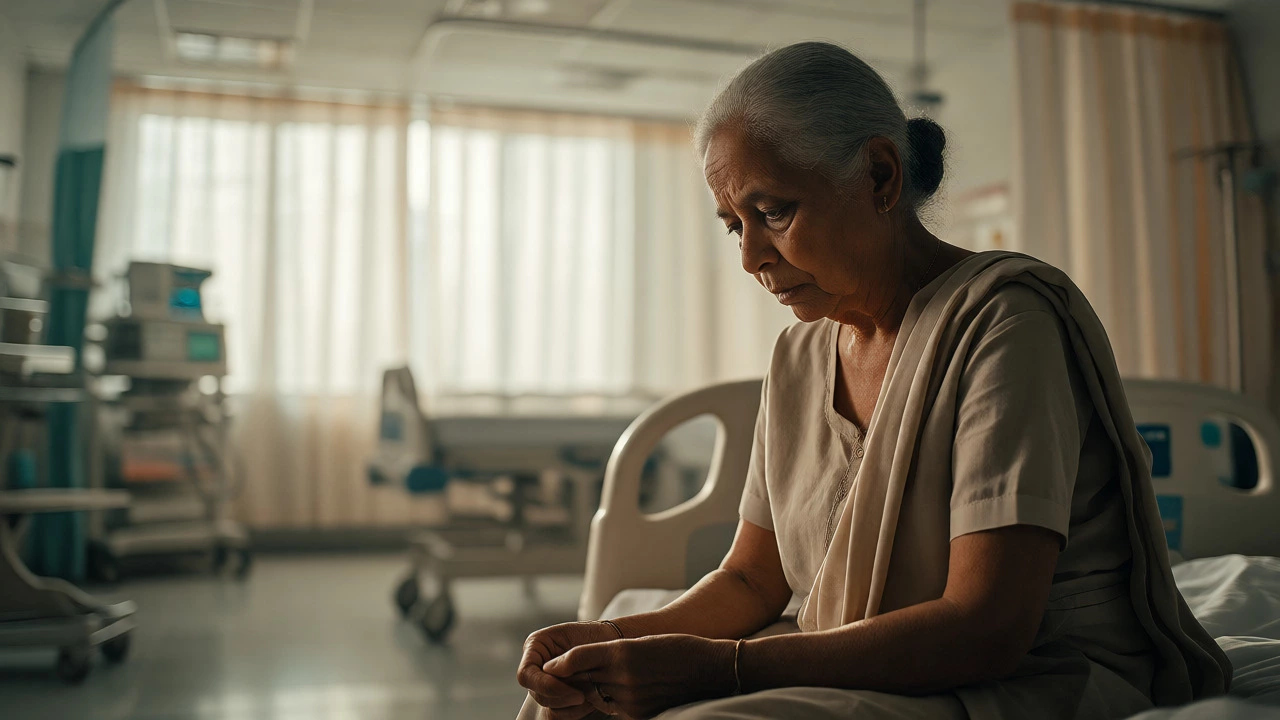
Imagine this: You’ve just heard the word that changes everything. "We recommend chemotherapy." It’s supposed to be the lifeline, the aggressive attack on the cells making you sick. But what if your body screams back? What if the cure feels worse than the disease? This isn’t a rare scenario. In fact, it’s one of the most critical crossroads every patient faces. Deciding when to say no to chemo isn’t about giving up; it’s about choosing how you want to live.
The decision is rarely black and white. It’s a messy, emotional calculation involving survival odds, toxicity levels, and personal values. You aren’t just a statistic in a medical journal. You are a person with plans, people who love you, and a body that has limits. So, when does saying "no" become the right medical and personal choice? Let’s break down the real reasons patients pause or stop, and how to navigate this heavy conversation with your oncology team.
Understanding the Risk-Benefit Ratio
Chemotherapy is a systemic cancer treatment using powerful drugs to kill rapidly dividing cells. Unlike surgery, which targets a specific spot, chemo travels through your entire bloodstream. This means it hits healthy cells too-hair follicles, gut lining, bone marrow. The core question isn't just "Will it work?" but "Is the benefit worth the damage?"
Oncologists use data to guide this. They look at the Number Needed to Treat (NNT). If 100 people take chemo and only 3 survive five years longer than those who didn’t, is that 3% worth months of nausea, fatigue, and neuropathy? For some, yes. For others, absolutely not. This statistical reality often shifts the perspective from "fighting" to "choosing."
Consider the difference between curative and palliative intent. Curative chemo aims to eliminate the cancer entirely. Palliative chemo aims to shrink tumors to relieve symptoms like pain or breathing difficulties. Saying no to curative chemo might mean accepting a shorter lifespan. Saying no to palliative chemo might mean enduring more discomfort. Knowing which type is being offered clarifies what you’re actually trading.
Physical Tolerance and Toxicity Thresholds
Your body has a breaking point. Neutropenia is a condition where low neutrophil counts increase infection risk, a common side effect of many regimens. If your blood counts drop dangerously low after cycle one, pushing forward can lead to sepsis, hospitalization, or death from complications rather than the cancer itself. Some patients have genetic variations that make them hypersensitive to certain drugs, leading to severe toxicity even at standard doses.
- Severe Neuropathy: Permanent nerve damage can leave you unable to button shirts or walk safely. If this appears early, continuing may cause irreversible disability.
- Cardiac Toxicity: Drugs like doxorubicin can weaken the heart muscle. An echocardiogram showing a significant drop in ejection fraction often signals a need to stop before heart failure sets in.
- Organ Function Decline: If kidneys or liver start failing under the strain, the drugs can’t be cleared properly, turning the treatment into a poison.
In Australia, guidelines from Cancer Council NSW suggest that if grade 3 or 4 toxicities persist despite dose reductions, discontinuation should be seriously considered. It’s not failure; it’s physiology respecting its limits.
Quality of Life vs. Quantity of Life
This is the hardest part. How much time would you trade for comfort? A study published in the Journal of Clinical Oncology found that patients who chose less aggressive end-of-life care often reported higher quality of life scores without significantly shorter survival times compared to those who pursued aggressive ICU interventions. Time spent in hospitals, hooked up to IV drips, or managing severe diarrhea subtracts from living.
Ask yourself these hard questions:
- Do I want my remaining months spent mostly in bed or recovering?
- Can I still enjoy food, travel, or hobbies during treatment?
- Am I treating myself, or am I trying to meet someone else’s expectation of "fighting"?
If chemo leaves you too exhausted to hug your grandchildren or too nauseous to taste dinner, the cost is high. Many patients realize halfway through that the "gift" of extra months comes with a price tag they can’t afford emotionally or physically. Saying no here is an act of self-preservation.

The Role of Comorbidities and Age
Cancer doesn’t exist in a vacuum. If you have Type 2 Diabetes or chronic kidney disease, your resilience to chemo drops. Steroids used alongside chemo can spike blood sugar uncontrollably. Pre-existing frailty in older adults predicts poor outcomes with aggressive protocols.
A geriatric assessment helps here. It looks beyond age to functional status. Can you climb stairs? Do you live alone? Are you cognitively sharp enough to manage complex medication schedules? If the answer is no, the burden of treatment often outweighs the marginal survival benefit. Doctors may recommend single-agent therapy instead of multi-drug cocktails, or best supportive care alone.
| Factor | Consider Continuing | Consider Stopping |
|---|---|---|
| Tumor Response | Shrinking or stable | Growing despite treatment |
| Side Effects | Manageable with meds | Grade 3-4 toxicity persists |
| Performance Status | Able to perform daily tasks | Bedbound >50% of day |
| Patient Goals | Longevity priority | Comfort priority |
Exploring Alternatives and Palliative Care
Saying no to chemo doesn’t mean saying no to care. It opens the door to other options. Immunotherapy uses your immune system to fight cancer cells and often has a different side-effect profile. Targeted therapies block specific molecular pathways and might be easier to tolerate. Even if these aren’t available, focusing on symptom management becomes the primary treatment.
Palliative care is not hospice. It’s specialized medical care focused on relieving symptoms and stress. Integrating palliative care early can improve mood and sometimes extend life by optimizing overall health. When you stop chemo, you don’t stop treating. You shift focus from killing the cancer to healing the person.
In Sydney, access to multidisciplinary teams makes this transition smoother. Physiotherapists, dietitians, and psychologists work together to keep you as strong and comfortable as possible. This holistic approach often yields better well-being than relentless drug cycles.

Navigating Family Pressure and Guilt
Families often equate stopping treatment with "giving up." They see chemo as the only way to "win." This external pressure can cloud judgment. You might feel guilty for wanting rest, fearing you’re letting loved ones down. But remember: You are the one living in the body. Your family wants you happy and present, not just alive in a clinical sense.
Have open conversations. Explain why you’re considering stopping. Share your fears about toxicity. Often, families align once they understand the tangible costs versus the abstract benefits. Support groups can also help normalize these decisions, showing you that many intelligent, brave people choose comfort over combat.
Key Takeaways
- Evaluate the Number Needed to Treat (NNT) to understand realistic survival gains.
- Monitor physical tolerance closely; persistent Grade 3+ toxicity is a strong signal to stop.
- Define your personal threshold for quality of life versus quantity of life.
- Consider comorbidities and functional status, especially in older adults.
- Explore alternatives like immunotherapy or targeted therapy if applicable.
- Integrate palliative care early to manage symptoms and improve well-being.
- Communicate openly with family to align expectations and reduce guilt.
Does stopping chemotherapy mean I’m dying faster?
Not necessarily. Studies show that for advanced cancers, aggressive end-of-life treatment often does not extend life significantly compared to palliative care. Sometimes, avoiding the toxicity of chemo allows patients to maintain strength and immunity, potentially stabilizing their condition longer.
Can I restart chemotherapy later if I change my mind?
It depends on the cancer type and your physical recovery. Some cancers respond well to re-challenge if there’s been a break. However, cumulative toxicity (like heart damage) may limit future options. Discuss the possibility of a "treatment holiday" with your oncologist.
What happens if I refuse chemo completely?
You will receive best supportive care, focusing on pain control, nutrition, and emotional support. The goal shifts to maximizing quality of life. Regular monitoring continues to track tumor growth, allowing you to react to new symptoms promptly.
Are there natural alternatives to chemotherapy?
While lifestyle changes and supplements support health, few natural remedies replace chemotherapy’s cytotoxic effects. Some integrative approaches, like acupuncture for nausea or mindfulness for anxiety, complement conventional care but rarely cure advanced cancer alone. Be wary of unproven "miracle cures."
How do doctors decide if chemo is working?
Doctors use imaging scans (CT, MRI, PET) to measure tumor size and blood tests to check tumor markers. If tumors grow or spread while on treatment, the regimen is deemed ineffective, prompting a switch to second-line therapy or cessation.




Write a comment