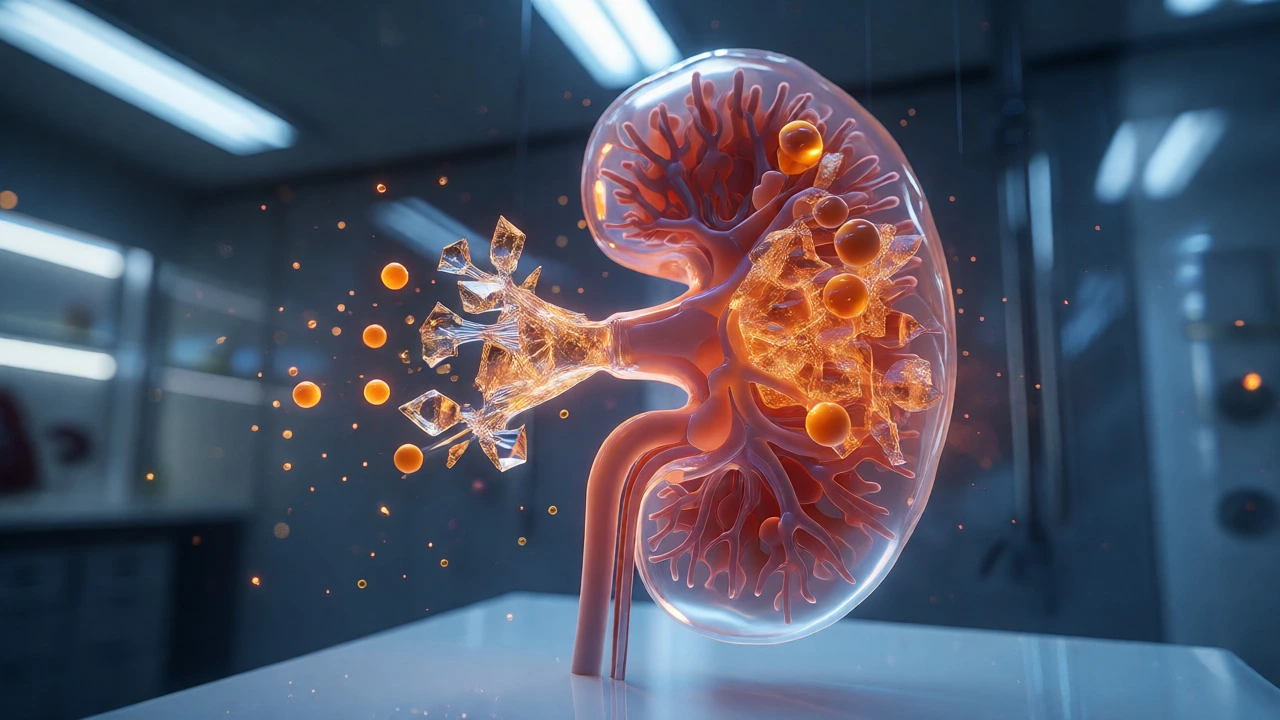
Kidney-Safe Supplement Checker
Select your primary concern and the supplement you are considering to see a risk assessment based on current nephrology guidelines.
You pop a multivitamin every morning because you read it’s good for you. But if your kidneys are already under stress, that little pill might be doing more harm than good. It sounds counterintuitive, doesn’t it? We assume vitamins are harmless natural substances. The reality is that certain vitamins and herbal supplements require heavy lifting from your kidneys to filter out excess amounts or metabolize their byproducts.
If you have chronic kidney disease (CKD), a history of kidney stones, or even just reduced kidney function due to age, not all supplements are created equal. Some can accelerate damage, while others trigger painful stones. This guide breaks down exactly which nutrients pose a risk, why they do it, and how to navigate the supplement aisle without compromising your renal health.
The Role of Your Kidneys in Processing Supplements
To understand why some vitamins are "hard" on the kidneys, you first need to know what the kidneys actually do with them. Your kidneys act as the body’s primary filtration system. They remove waste products from blood and balance fluid levels. When you take a supplement, especially in high doses, your liver processes it, but the kidneys handle the leftovers.
For people with healthy kidneys, this process is routine. But for those with compromised renal function, the workload becomes problematic. If the glomeruli-the tiny filtering units in the kidneys-are damaged, they cannot efficiently clear these metabolic byproducts. Over time, this accumulation can lead to further scarring or acute injury. It’s not always about the vitamin itself being toxic; often, it’s about the inability to excrete it fast enough.
Vitamin C: The Oxalate Trap
Vitamin C is widely marketed for immunity. However, when you consume large amounts of Vitamin C (ascorbic acid), your body converts the excess into oxalate. Oxalate is a compound that binds with calcium in the urine to form calcium oxalate crystals.
Here is the specific risk: if you are prone to kidney stones, high-dose Vitamin C supplements (typically over 1,000 mg per day) significantly increase your chance of forming stones. For someone with CKD, this risk is amplified because their kidneys may already struggle to excrete oxalate effectively. Studies published in the Journal of the American Society of Nephrology have shown that men taking high doses of Vitamin C had a higher incidence of kidney stones compared to those who did not.
- Safe Range: Stick to the Recommended Dietary Allowance (RDA), which is 90 mg for men and 75 mg for women.
- Risk Threshold: Doses above 500-1,000 mg daily are where concerns begin for stone-formers.
- Action: Get your Vitamin C from whole foods like bell peppers and citrus fruits, which come with fiber and water that help mitigate absorption spikes.
Vitamin D: Calcium Imbalance Risks
Vitamin D helps your body absorb calcium. Sounds great, right? Not necessarily if your kidneys are failing. In advanced kidney disease, the kidneys lose the ability to convert Vitamin D into its active form (calcitriol). Patients often take supplements to compensate, but too much inactive Vitamin D can lead to hypercalcemia-high levels of calcium in the blood.
When calcium levels spike, the kidneys try to flush it out. If they can’t keep up, calcium deposits can form in the kidney tissue itself, a condition called nephrocalcinosis. This damages the delicate structures needed for filtration. Furthermore, high calcium levels combined with high phosphate levels (common in CKD) can cause calcification of blood vessels, increasing heart disease risk, which is already elevated in kidney patients.
| Nutrient | Primary Risk Mechanism | High-Risk Group | General Caution Level |
|---|---|---|---|
| Vitamin C | Oxalate production leading to stones | Kidney stone former, CKD Stage 3+ | Moderate to High |
| Vitamin D | Hypercalcemia and vascular calcification | Advanced CKD, Dialysis patients | High (requires monitoring) |
| Vitamin A | Accumulation in fatty tissues (fat-soluble) | CKD patients (reduced clearance) | Moderate |
| Potassium | Hyperkalemia (heart rhythm issues) | All CKD stages, especially late-stage | High |

Vitamin A: The Fat-Soluble Burden
Unlike water-soluble vitamins (like B and C), fat-soluble vitamins (A, D, E, K) are stored in the body’s fat tissues and liver. They aren’t easily flushed out through urine. In people with normal kidney function, this storage system works fine. But in those with kidney disease, the metabolism of Vitamin A changes.
Research indicates that serum retinol-binding protein increases in kidney failure patients, meaning Vitamin A accumulates to toxic levels more quickly. Excess Vitamin A can cause nausea, bone pain, and liver damage. While direct kidney toxicity is less common than with other nutrients, the systemic burden puts additional stress on an already compromised system. Most nephrologists advise avoiding preformed Vitamin A (retinol) supplements unless specifically prescribed, opting instead for beta-carotene from vegetables, which the body regulates better.
Herbal Supplements: The Hidden Danger
Many people assume that because herbs are natural, they are safe for kidneys. This is a dangerous myth. Certain herbal supplements contain compounds that are directly nephrotoxic (kidney-poisoning). The most notorious culprit is aristolochic acid, found in plants like Aristolochia species, often used in traditional Chinese medicine for weight loss or inflammation.
Aristolochic acid causes irreversible kidney damage and increases the risk of urothelial cancer. Other concerning herbs include:
- Starfruit: Contains caramboxin, a neurotoxin that healthy kidneys clear but failing kidneys cannot, leading to hiccups, confusion, and seizures.
- Cranberry Extracts: While good for UTIs, concentrated extracts can sometimes contribute to oxalate load if taken in massive doses.
- Green Tea Extract: High doses of EGCG (epigallocatechin gallate) have been linked to acute liver and kidney injury in rare cases.
Always check with your doctor before starting any new herbal regimen. The label "natural" does not mean "renal-safe."
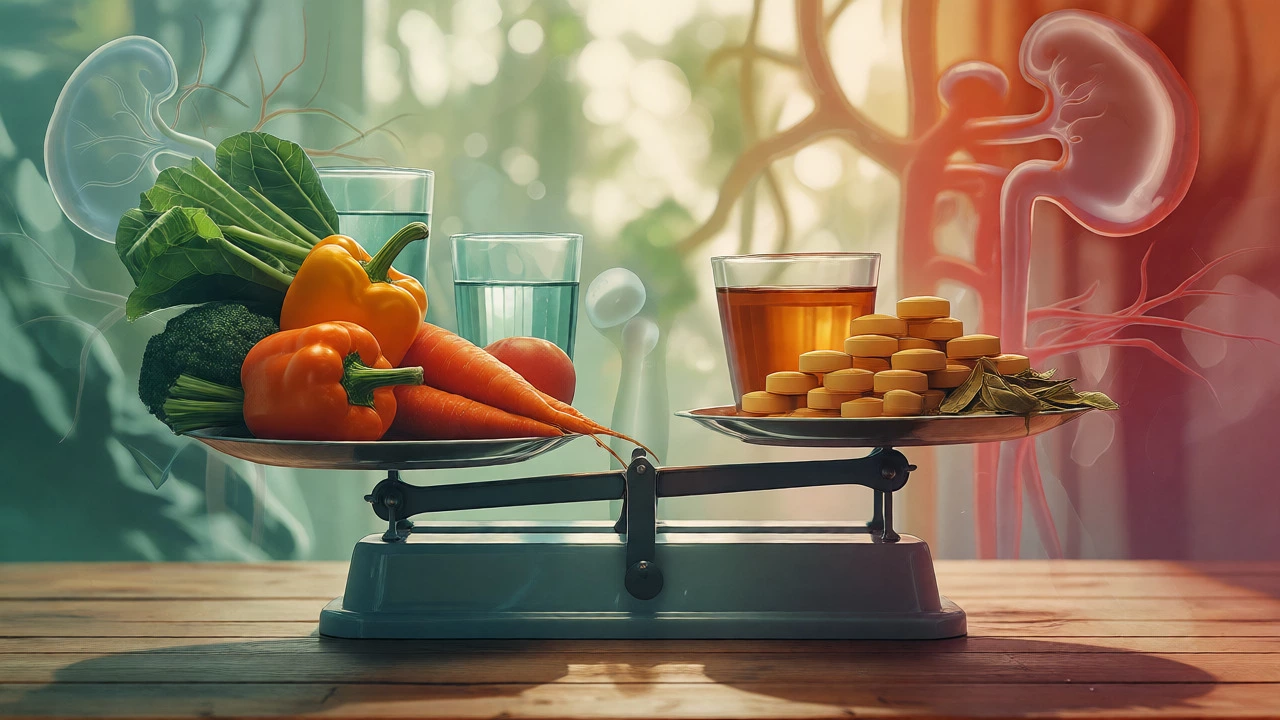
Potassium and Phosphorus: The Electrolyte Balancing Act
While technically minerals, potassium and phosphorus are often bundled into multivitamins or bone-health supplements. For kidney patients, these are critical watch-outs.
Healthy kidneys regulate potassium levels tightly. When they fail, potassium builds up in the blood (hyperkalemia). High potassium can stop your heart. Many multivitamins contain small amounts of potassium, but dedicated supplements or salt substitutes (which are often potassium chloride) can deliver dangerous loads. Similarly, phosphorus is hard to filter. High phosphorus pulls calcium from bones, weakening them and causing itching and calcification.
How to Choose Safe Supplements
So, how do you protect your kidneys while still getting necessary nutrition? Here is a practical checklist:
- Consult Your Nephrologist: Before buying anything, ask specifically about your current GFR (Glomerular Filtration Rate). Your tolerance depends entirely on this number.
- Check for Hidden Ingredients: Look at the "Other Ingredients" list. Avoid supplements with added potassium, magnesium, or phosphorus unless directed.
- Prefer Water-Soluble Options: If you must take vitamins, B-complex and low-dose C are generally safer than fat-soluble mega-doses, provided you stay within limits.
- Avoid "Kidney Cleanse" Teas: These often contain diuretics like dandelion root or juniper berry, which can dehydrate you and strain kidney filtration.
- Monitor Blood Work: Regular tests for creatinine, eGFR, calcium, phosphorus, and potassium will tell you if your current regimen is working or hurting.
Remember, food sources are almost always superior to pills. A piece of fruit provides fiber, water, and antioxidants in a package your body handles gracefully. Supplements are isolated chemicals that lack this synergy.
Can I take multivitamins if I have stage 3 kidney disease?
It depends on the specific formulation. Standard multivitamins often contain potassium, phosphorus, and high doses of Vitamin A and C, which can be problematic. Doctors usually recommend specialized renal vitamins (like RenalCaps or Nephro-Vite) that exclude these minerals and provide lower, safer doses of B-vitamins and Vitamin C. Always get approval from your healthcare provider.
Does drinking cranberry juice help kidney stones?
Cranberry juice is popular for preventing urinary tract infections (UTIs), but its effect on kidney stones is mixed. While it may prevent certain bacteria from adhering to the bladder wall, it does not dissolve existing stones. Some studies suggest that high consumption might increase oxalate levels, potentially worsening calcium oxalate stones. Diluted juice in moderation is likely safe for most, but avoid sugary concentrates.
Why is Vitamin D dangerous for kidney patients?
Damaged kidneys cannot properly activate Vitamin D. Taking standard cholecalciferol (D3) can lead to an imbalance where calcium levels rise excessively (hypercalcemia) because the regulatory mechanism is broken. This excess calcium can deposit in soft tissues and kidney structures, causing further damage. Patients often require prescription calcitriol (active Vitamin D) instead of over-the-counter supplements.
Are herbal teas bad for kidneys?
Not all herbal teas are bad, but some carry risks. Teas containing aristolochic acid (often found in some imported Chinese herbs) are definitely harmful. Others, like excessive green tea or starfruit tea, can accumulate toxins if kidney function is low. Plain black or green tea in moderate amounts (2-3 cups) is generally considered safe for most people, but those with advanced CKD should limit fluid intake overall.
What is the safest vitamin for kidney health?
There is no single "safest" vitamin for everyone, but B-complex vitamins (especially B6, B12, and Folate) are often well-tolerated and necessary because dialysis removes them. Low-dose Vitamin C (under 100mg) is also generally safe. The key is individualization based on blood work and kidney stage.




Write a comment