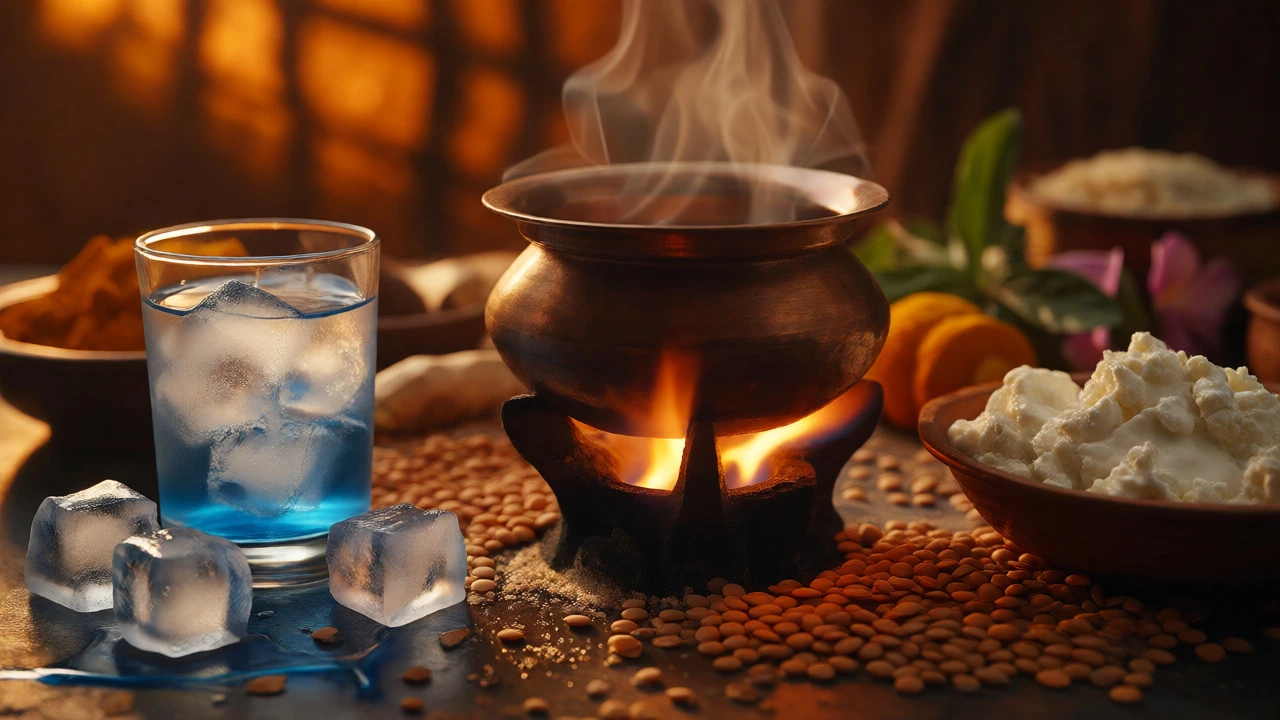
Ayurvedic Inflammatory Food Checker
Not sure which foods cause you bloating or fatigue? Select your dominant body type below to see specific inflammatory triggers and recommended alternatives.
Vata
Air & Ether Dry/Cold/AnxiousPitta
Fire & Water Hot/Acidic/IrritableKapha
Earth & Water Heavy/Damp/SlowInflammatory Triggers for Vata
-
Cold & Raw Foods: Ice water, raw salads, smoothies.
Extinguish digestive fire, causing spasms. -
Dry Grains/Legumes: Barley, corn, kidney beans, chickpeas.
Absorb moisture, worsening constipation. -
Bitter/Astringent Tastes: Kale, broccoli, cauliflower, green tea.
Pull moisture from tissues, increasing dryness.
✅ Soothing Alternatives
Warm soups, stews, root vegetables, cooked oats, ghee, ginger, cinnamon. Focus on warm, oily, and moist textures.
Inflammatory Triggers for Pitta
-
Spicy & Hot Foods: Chili peppers, garlic, onions, hot sauces.
Directly fuel internal fire, damaging gut lining. -
Sour & Salty Items: Vinegar, sauerkraut, pickles, tomatoes.
Increase acidity and retain water. -
Red Meat & Alcohol: Beef, lamb, wine, spirits.
Generate metabolic heat and oxidative stress.
✅ Soothing Alternatives
Coconut, cucumber, mint, sweet fruits, leafy greens, coriander, fennel. Avoid nightshades if sensitive.
Inflammatory Triggers for Kapha
-
Dairy & Heavy Fats: Cheese, butter, whole milk, yogurt.
Coat the gut, slow digestion, increase mucus. -
Sweet & Salty Foods: Sugar, bread, pasta, salty snacks.
Cause water retention and feed gut yeast/bacteria. -
Cold & Moist Foods: Iced drinks, melons, watery fruits.
Dilute digestive juices, allowing stagnation.
✅ Soothing Alternatives
Light, dry, stimulating foods. Black pepper, turmeric, mustard seed, bitter greens, legumes, honey (unheated).
⚠️ The Danger of Food Combining
Even if you eat the right foods for your Dosha, bad combinations (Viruddha Ahara) can create toxins (Ama). Check these common mistakes:
| Combination | Why It Causes Inflammation | Who Should Avoid |
|---|---|---|
| Fruit + Dairy | Fruit digests quickly; dairy slowly. Fruit ferments. | All (esp. Kapha) |
| Milk + Salt/Sour | Curdles milk prematurely in stomach. | Pitta & Kapha |
| Honey + Heat | Heated honey becomes glue-like and indigestible. | All Doshas |
You know that feeling after a heavy meal-bloating, sluggishness, maybe even a headache creeping in. You might blame the calories or the salt, but Ayurveda points to something deeper: inflammation caused by food that clashes with your body’s unique constitution. This isn't just about "unhealthy" junk; it's about foods that dampen your digestive fire and create toxins.
In modern nutrition, we talk about inflammation as a driver of chronic disease. Ayurveda has been mapping this terrain for thousands of years using the concept of Agni (digestive fire) and Ama (toxins). When you eat foods that are incompatible with your Dosha (body type), your Agni weakens. Food doesn't digest properly. It ferments. It turns into sticky residue that clogs channels and triggers inflammatory responses in tissues.
So, what exactly counts as inflammatory in this system? It’s not a universal blacklist. A bowl of ice cream might be cooling and soothing for someone with high heat (Pitta), but it can freeze digestion and cause mucus buildup for someone with cold, dry tendencies (Vata). Understanding these nuances is the key to reducing systemic inflammation without starving yourself.
The Core Mechanism: How Food Creates Ama
To understand why certain foods are labeled inflammatory, you have to grasp the role of Agni. Think of Agni as the metabolic engine in your gut. It transforms raw food into energy and tissue. When Agni is strong, food becomes nourishment. When Agni is weak, food becomes Ama.
Ama is a sticky, toxic substance that results from incomplete digestion. It blocks cellular communication, disrupts nutrient absorption, and irritates tissues. This irritation is what we clinically recognize as inflammation. Foods that are too heavy, too cold, too dry, or improperly combined suppress Agni, leading to Ama accumulation.
This process is highly individual. A person with a robust digestive fire can handle heavier, colder foods better than someone with a delicate system. Therefore, identifying inflammatory foods starts with knowing your dominant Dosha. If you don’t know yours, look for patterns: do you feel worse after cold salads (Vata/Pitta)? Or after spicy curries (Pitta)? Your body keeps score.
Foods That Aggravate Vata Dosha
Vata types are characterized by air and ether elements. They tend to be thin, energetic, and prone to anxiety, dry skin, and constipation. For Vata, inflammatory foods are those that increase dryness, lightness, and coldness.
- Cold and Raw Foods: Ice water, raw salads, and smoothies taken straight from the fridge can extinguish Vata’s already variable digestive fire. The sudden temperature shock causes spasms in the gut lining, leading to bloating and gas.
- Dry Grains and Legumes: Barley, corn, and dried beans like kidney beans or chickpeas are hard to digest for Vata. Without proper soaking and cooking, they absorb moisture from the intestines, worsening constipation and creating a rough, irritating environment in the colon.
- Bitter and Astringent Tastes: Excessive kale, broccoli, cauliflower, and green tea can be drying. While healthy, they pull moisture out of tissues, which aggravates Vata’s natural dryness, leading to joint pain and cracked skin.
If you’re Vata-dominant, switching to warm, cooked, oily foods often reduces joint inflammation and brain fog within weeks. Think soups, stews, and root vegetables seasoned with warming spices like ginger and cinnamon.

Foods That Aggravate Pitta Dosha
Pitta is fire and water. These individuals are often muscular, ambitious, and prone to acidity, rashes, and anger. Inflammation here manifests as heat-related issues: heartburn, ulcers, acne, and inflammatory bowel conditions.
- Spicy and Hot Foods: Chili peppers, garlic, onions, and hot sauces directly fuel Pitta’s fire. While they boost metabolism briefly, they eventually overheat the system, damaging the mucosal lining of the stomach and intestines.
- Sour and Salty Items: Vinegar, fermented foods like sauerkraut, pickles, and excessive salt retain water and increase acidity. Tomatoes, especially when eaten raw or in large quantities, are notoriously acidic and can trigger reflux in sensitive Pittas.
- Red Meat and Alcohol: These are heating and heavy. Red meat generates significant metabolic heat during digestion, while alcohol acts as a direct irritant to the liver and gut lining, promoting systemic oxidative stress.
Pittas need cooling, sweet, and bitter flavors to balance their internal furnace. Coconut, cucumber, mint, and sweet fruits help soothe inflammation. Avoiding nightshades like eggplant and potatoes can also make a noticeable difference in skin health.
Foods That Aggravate Kapha Dosha
Kapha is earth and water. These types are sturdy, calm, and prone to weight gain, congestion, and lethargy. Inflammation in Kapha is slow-moving and damp, often presenting as sinusitis, arthritis, or fluid retention.
- Dairy and Heavy Fats: Cheese, butter, whole milk, and yogurt (especially if eaten at night) are extremely grounding and heavy. They coat the digestive tract, slowing down movement and encouraging mucus production. For Kapha, this leads to a feeling of heaviness and respiratory congestion.
- Sweet and Salty Foods: Sugar, bread, pasta, and salty snacks cause water retention. Excess sugar feeds yeast and bacteria in the gut, creating an inflammatory biofilm that weakens immunity.
- Cold and Moist Foods: Iced drinks and watery fruits like melons dilute digestive juices. Since Kapha digestion is naturally slow, adding more cold liquid further dampens Agni, allowing undigested food to stagnate and rot.
Kaphas benefit from light, dry, and stimulating foods. Spices like black pepper, turmeric, and mustard seed act as natural anti-inflammatories by breaking up stagnation. Bitter greens and legumes help scrape away excess fat and mucus.
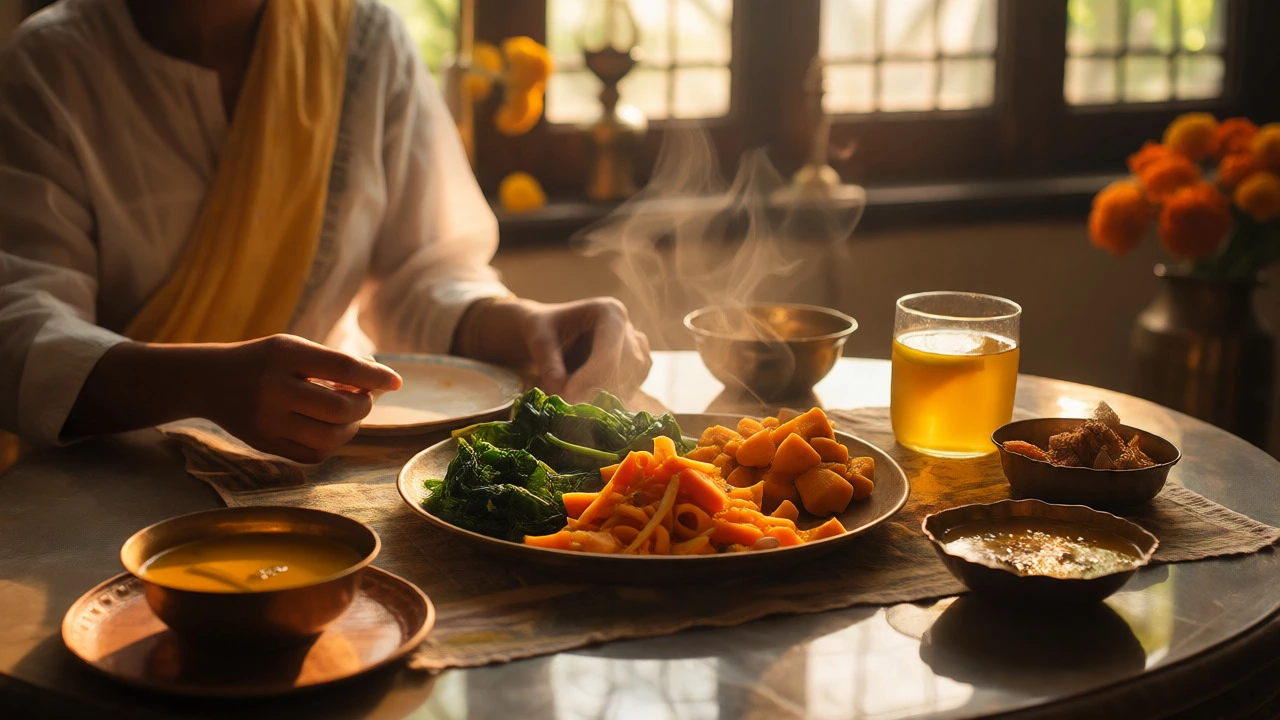
The Danger of Food Combining
Even if you choose foods suitable for your Dosha, how you combine them matters. Ayurveda calls incompatible combinations Viruddha Ahara. These pairings confuse digestive enzymes, leading to rapid fermentation and toxin creation.
| Combination | Why It Causes Inflammation | Who Should Avoid It |
|---|---|---|
| Fruit + Dairy | Fruit digests quickly; dairy slowly. Fruit gets trapped and ferments. | All Doshas, especially Kapha |
| Milk + Salt/Sour | Curdles milk prematurely in the stomach, blocking channels. | Pitta and Kapha |
| Protein + Carbs | Requires different pH levels for digestion, causing strain. | Weak Agni types |
| Honey + Heat | Heated honey becomes glue-like and indigestible. | All Doshas |
Eating fruit alone or before meals prevents this issue. Never cook honey; add it only to warm liquids below 104°F (40°C). These small adjustments prevent the gut from becoming a battleground of conflicting chemical processes.
Practical Steps to Reduce Dietary Inflammation
You don’t need to overhaul your entire life overnight. Start with observation. Keep a simple food diary for two weeks. Note what you eat and how you feel one hour later. Do you feel light and clear? Or heavy and foggy?
- Identify Your Triggers: Look for patterns. If you consistently feel bloated after wheat, try eliminating it for ten days. If dairy causes congestion, swap it for almond or coconut milk.
- Enhance Digestion: Before meals, sip half a cup of warm water with lemon and fresh ginger. This ignites Agni. Chew thoroughly-digestion begins in the mouth.
- Use Anti-Inflammatory Spices: Turmeric contains curcumin, a potent anti-inflammatory. Pair it with black pepper to boost absorption by 2000%. Cumin, coriander, and fennel seeds support gentle digestion.
- Respect Meal Timing: Eat your largest meal at noon when solar energy (and your Agni) is strongest. Dinner should be light and early, at least three hours before bed.
Remember, Ayurveda is about harmony, not restriction. The goal is to find foods that leave you feeling energized, not depleted. By aligning your diet with your biological nature, you reduce the constant low-grade inflammation that wears down the body over time.
Is gluten considered inflammatory in Ayurveda?
Yes, for many people, particularly those with Kapha or weak Agni constitutions. Wheat is heavy, sticky, and moist, which can dampen digestive fire and lead to Ama formation. However, for some Vatas with strong digestion, moderate amounts of well-cooked wheat may be tolerated. It is generally advised to limit refined flour and opt for lighter grains like millet or quinoa.
Can I eat salad every day according to Ayurveda?
Raw salads are difficult to digest because they require significant internal heat to break down. For Vata and Kapha types, daily raw salads can increase gas, bloating, and mucus. Pitta types tolerate raw greens better due to their higher digestive heat. Generally, Ayurveda recommends lightly steaming or stir-frying vegetables to make them easier on the gut.
Why is honey bad if heated?
In Ayurveda, heated honey is considered Ama-producing. Raw honey has antimicrobial properties, but when exposed to temperatures above 104°F (40°C), its molecular structure changes, making it sticky and difficult to digest. It adheres to the intestinal walls, potentially blocking micro-channels and contributing to inflammation. Always add honey to lukewarm, not hot, beverages.
Do nightshade vegetables cause inflammation?
Nightshades (tomatoes, potatoes, eggplants, peppers) contain alkaloids that can irritate the gut lining in sensitive individuals. In Ayurveda, they are often viewed as aggravating to Pitta and Kapha due to their heating or heavy qualities. Many people report reduced joint pain and clearer skin after eliminating nightshades, though tolerance varies by individual constitution.
How long does it take to see results from an anti-inflammatory Ayurvedic diet?
Digestive improvements, such as reduced bloating and regularity, can occur within a few days to a week. Systemic changes, like improved skin clarity, joint mobility, and energy levels, typically take four to six weeks as existing Ama is gradually cleared from the tissues. Consistency is more important than perfection.



Write a comment