Personalized Healthiest Food Finder
There is no single "number one" food. This tool analyzes your primary health concerns to recommend the most beneficial food categories for you, based on the article's science-backed data.
You walk into a grocery store, stare at the produce aisle, and wonder: if you could only eat one thing for the rest of your life to stay alive and thriving, what would it be? It’s a tempting question. We love simple answers. We want a magic bullet-a single superfood that solves everything. But here is the hard truth: there is no single "number one" healthiest food in the world. Not really. If you ask ten nutritionists, you’ll get ten different answers. Some will say leafy greens. Others will point to berries, nuts, or fatty fish. Why? Because human biology is complex, and no single item on a plate contains every nutrient we need in perfect proportions.
So, why does this question persist? Probably because we are overwhelmed by conflicting advice. One day kale is king; the next, it’s avocados. This article cuts through the noise. We aren’t going to pick a winner from a popularity contest. Instead, we’re going to look at what actually makes food "healthy" using science-backed metrics like nutrient density. We’ll explore the top contenders that consistently rank highest in clinical studies and dietary guidelines. By the end, you won’t just have a name-you’ll have a strategy for building a diet that keeps you healthy without needing a miracle ingredient.
The Myth of the Single Superfood
Let’s address the elephant in the room. The concept of a "number one" food is largely a marketing invention. Nature doesn’t work in silos. When researchers analyze diets linked to long life-like those in Blue Zones such as Okinawa, Japan, or Sardinia, Italy-they don’t find people eating just one specific item. They find patterns. However, if we had to identify foods that come closest to being "complete" packages of nutrition, certain candidates rise to the top based on their ability to prevent chronic disease.
To understand why no single food wins, look at the nutritional gaps. You can’t survive on oranges alone. Sure, you get Vitamin C, but you miss out on protein, healthy fats, iron, and B12. You can’t live on steak alone either; you’d lack fiber and antioxidants. The "best" food depends entirely on what else you are eating. But some foods punch way above their weight class. They provide high amounts of essential nutrients per calorie. This is called nutrient density. High nutrient density means you get more vitamins, minerals, and phytonutrients for every bite, with fewer empty calories. That’s the real metric we should care about.
Top Contenders: The Science-Backed Leaders
If we strip away the hype and look at peer-reviewed data, three categories consistently dominate the conversation. These aren’t exotic imports; they are accessible, affordable, and backed by decades of research.
Leafy Greens: The Unsung Heroes
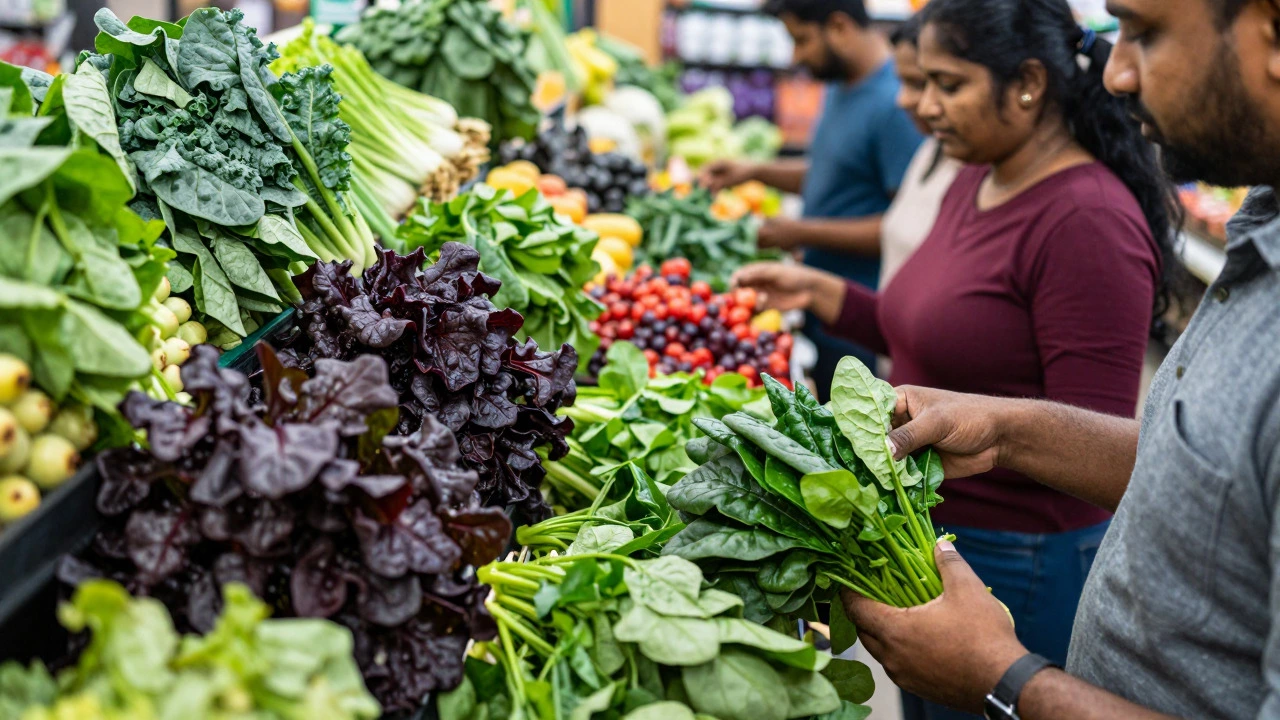
When most experts are forced to pick a favorite, they often hesitate before saying "leafy greens." Specifically, dark leafy vegetables like spinach, kale, and collard greens. Why? They are incredibly low in calories but packed with Vitamin K, Vitamin A, folate, and magnesium. A study published in Neurology found that people who ate one serving of leafy greens daily had slower cognitive decline than those who rarely ate them. That’s a powerful argument for brain health.
Kale, in particular, often gets cited as the "most nutrient-dense" plant food. According to the Aggregate Nutrient Density Index (ANDI), kale scores near the maximum possible points. But here is the catch: raw kale can be hard to digest for some people due to its tough fibers and goitrogens, which can interfere with thyroid function if eaten in massive quantities raw. Cooking it lightly breaks down these barriers, making the nutrients more bioavailable. Spinach is another powerhouse, offering similar benefits with a milder taste and easier digestion. If you want to boost your intake, try adding a handful of spinach to your morning smoothie. You won’t taste it, but you’ll get a significant dose of iron and folate.
Berries: Antioxidant Powerhouses
If leafy greens are the base of the pyramid, berries are the crown jewels. Blueberries, strawberries, raspberries, and blackberries are loaded with anthocyanins-the pigments that give them their deep colors. These compounds fight oxidative stress and inflammation, two root causes of heart disease and cancer. Research from Harvard School of Public Health links regular berry consumption to a lower risk of hypertension and type 2 diabetes.
Blueberries often take the spotlight, earning the title of "king of fruits" in many wellness circles. They contain pterostilbene, a compound shown to improve insulin sensitivity. But don’t sleep on strawberries or raspberries. Raspberries, for instance, have the highest fiber content among common berries, which helps regulate blood sugar spikes. Frozen berries are just as nutritious as fresh ones, often picked at peak ripeness and flash-frozen, preserving their antioxidant levels. So, if fresh blueberries are too expensive in August, grab a bag of frozen mixed berries. Your wallet and your body will thank you.
Fatty Fish: Omega-3 Essential
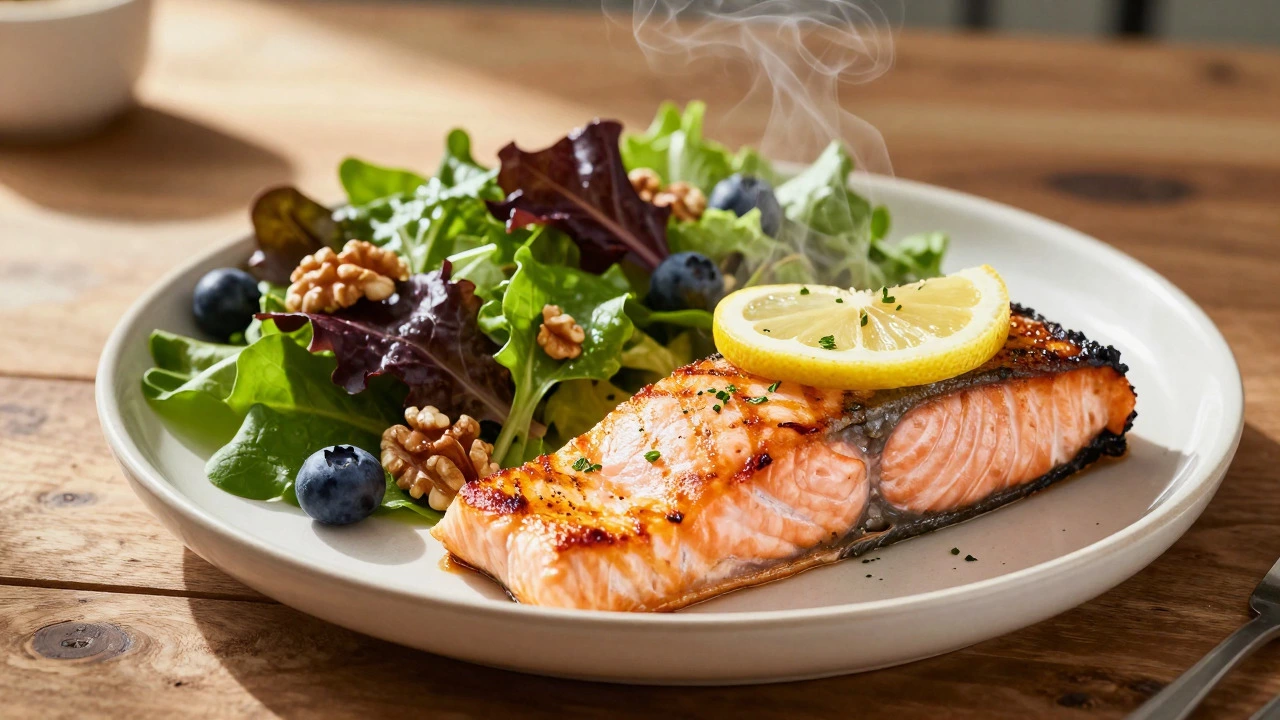
For many people, especially those in Western countries deficient in omega-3 fatty acids, fatty fish might be the single most impactful addition to their diet. Salmon, mackerel, sardines, and anchovies are rich sources of EPA and DHA, types of omega-3s crucial for heart and brain health. The American Heart Association recommends eating fatty fish at least twice a week. Studies show that populations with high fish consumption, like the Japanese, have significantly lower rates of cardiovascular disease.
Sardines are particularly noteworthy. They are small, low in mercury, and cheap. Unlike large predatory fish like tuna, sardines sit low on the food chain, meaning they accumulate fewer toxins. They also come with edible bones, providing a surprising amount of calcium and vitamin D. If you hate the taste of fish, consider bone broth or algae-based supplements, but whole fish offers a synergistic effect that pills can’t quite replicate. The combination of protein, fat, and micronutrients in a piece of grilled salmon is hard to beat for satiety and nutritional completeness.
How to Choose What’s Best for You
Since there is no universal #1, how do you decide what to prioritize? It comes down to identifying your personal nutritional gaps. Most modern diets are deficient in fiber, potassium, magnesium, and vitamin D. They are excessive in sodium, added sugars, and refined carbs. Therefore, the "healthiest" food for you is the one that fills those specific holes.
- If you struggle with energy crashes: Focus on high-fiber foods like legumes (lentils, chickpeas) and whole grains (oats, quinoa). These stabilize blood sugar.
- If you have high blood pressure: Prioritize potassium-rich foods like sweet potatoes, bananas, and leafy greens. Potassium counteracts sodium’s negative effects.
- If you feel mentally foggy: Increase your intake of fatty fish and walnuts. Omega-3s support neural membrane integrity.
- If you have poor gut health: Eat fermented foods like yogurt, kefir, sauerkraut, or kimchi. These introduce beneficial bacteria to your microbiome.
Notice a pattern? It’s not about one item. It’s about variety. Eating the rainbow ensures you get a broad spectrum of phytonutrients. Red tomatoes provide lycopene; orange carrots provide beta-carotene; green broccoli provides sulforaphane. Each color targets different cellular processes. Trying to force one food to do all the work is inefficient and often unsustainable.
Practical Application: Building a Healthy Plate
Forget finding the magic bean. Start building habits. Here is a simple framework to incorporate top-tier foods without overhauling your entire life overnight. Think of it as upgrading your default settings.
| Food Category | Key Nutrients | Primary Benefit | Best Consumption Method |
|---|---|---|---|
| Dark Leafy Greens | Vitamin K, Folate, Magnesium | Bone & Brain Health | Lightly steamed or in smoothies |
| Berries | Anthocyanins, Fiber, Vitamin C | Anti-inflammatory & Heart Health | Fresh or frozen, unsweetened |
| Fatty Fish | Omega-3s, Protein, Vitamin D | Cardiovascular & Cognitive Function | Grilled, baked, or canned (low sodium) |
| Nuts & Seeds | Healthy Fats, Protein, Zinc | Satiety & Hormonal Balance | Raw or dry-roasted, portion-controlled |
Start with breakfast. Swap sugary cereal for oatmeal topped with blueberries and walnuts. This covers fiber, antioxidants, and healthy fats right off the bat. For lunch, add a large portion of spinach to your sandwich or salad. Don’t worry about cooking a separate side dish; just mix it in. Dinner is where fatty fish fits best. Aim for two servings a week. On other nights, use lentils or beans as your protein source. They are cheap, shelf-stable, and incredibly filling.
Snacking is another opportunity. Replace chips with an apple and almond butter, or a handful of pumpkin seeds. These options curb hunger better than processed snacks because of their protein and fat content. You’ll notice you eat less overall, not because you’re restricting yourself, but because you’re satisfied.
Pitfalls to Avoid
Even with good intentions, people make mistakes when trying to eat healthier. The biggest one is thinking "organic" or "gluten-free" automatically means healthy. An organic cookie is still a cookie. A gluten-free muffin can be loaded with sugar and refined starches. Always check the label. Look at the ingredient list first, then the nutrition facts. If sugar is in the top three ingredients, think twice.
Another trap is orthorexia-an obsession with eating "pure" foods. If you stress so much about whether your kale is locally sourced that you skip meals, you’re hurting your health. Consistency beats perfection. Eating a conventional banana every day is better than eating an organic avocado once a month because you couldn’t justify the cost. Also, beware of "superfood" powders. They are often expensive, poorly regulated, and lack the fiber and water content of the whole fruit. Stick to whole foods whenever possible.
The Bottom Line
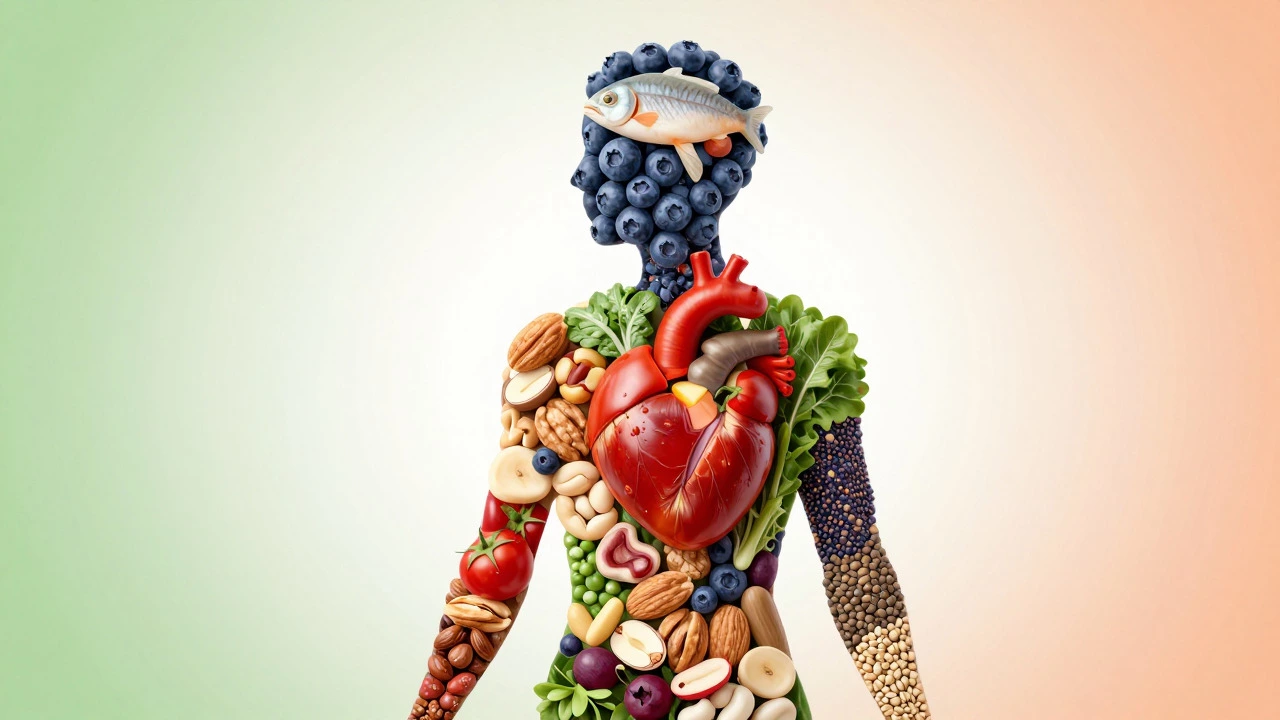
So, what is the number one healthiest food? It’s the one that fits into your lifestyle, tastes good enough that you’ll keep eating it, and fills your specific nutritional gaps. For most people, a combination of leafy greens, berries, and fatty fish forms the strongest foundation. But remember, health isn’t built on a single meal. It’s built on thousands of small choices. Pick up some spinach today. Buy a bag of frozen blueberries. Try a new fish recipe this weekend. Small steps lead to big changes. Your body doesn’t need a miracle; it needs consistency and variety.
Is kale really the healthiest vegetable?
Kale is often cited as the most nutrient-dense vegetable due to its high levels of vitamins A, C, and K, along with antioxidants. However, "healthiest" is subjective. Spinach and Swiss chard offer similar benefits with easier digestion. Variety is more important than picking a single champion vegetable.
Can I replace meat with these foods?
You can reduce meat consumption by incorporating fatty fish, nuts, seeds, and legumes. However, getting adequate B12 and heme iron may require supplementation or careful planning if you eliminate meat entirely. Consult a dietitian if you plan to switch to a fully plant-based diet.
Are frozen vegetables less healthy than fresh?
No. Frozen vegetables are typically harvested at peak ripeness and flash-frozen immediately, which locks in nutrients. In fact, they sometimes retain more vitamins than fresh produce that has been sitting in transit or on shelves for days. They are a convenient and nutritious option.
Do superfood supplements work?
Most evidence supports whole foods over supplements. Whole foods contain fiber, water, and synergistic compounds that help absorption. Supplements can fill specific gaps (like Vitamin D in winter), but they shouldn't replace a balanced diet. Be wary of unregulated brands.
How much fish should I eat per week?
General guidelines recommend eating 8 ounces (about two servings) of seafood per week, focusing on varieties lower in mercury like salmon, sardines, and trout. This amount provides sufficient omega-3 fatty acids for heart and brain health benefits.



Write a comment